
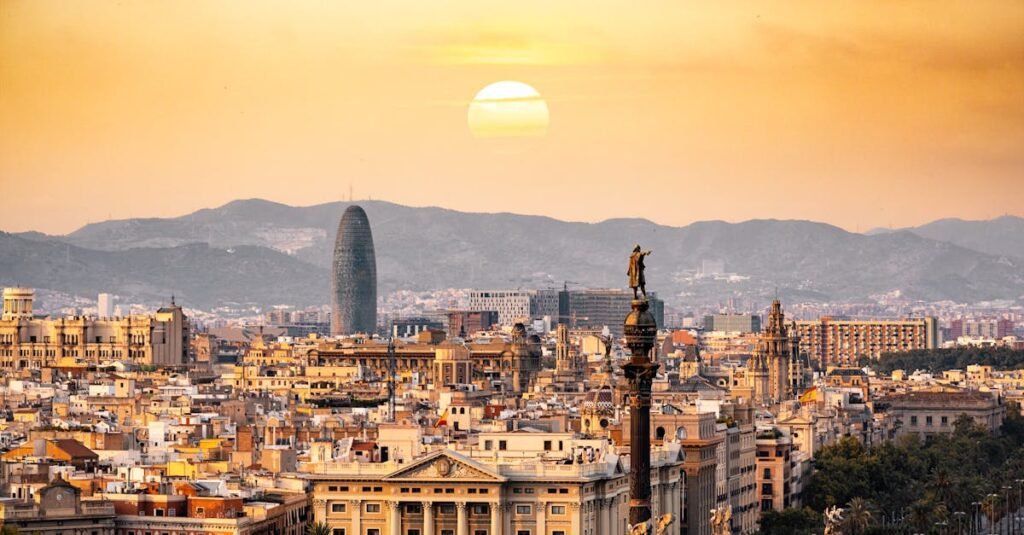
If you’ve been scrolling maps and still can’t pin down what to do in Barcelona, here’s your compass: pair the city’s icons with quieter corners where daily life hums.
You’ll weave from Gaudí rooftops to labyrinth gardens, from pintxos counters to natural wine bars, from coworking desks to seaside sunsets. And you’ll do it with intention, supporting local spots, avoiding peak crowds, and leaving space for serendipity.
Hit The Essentials Without The Crowds

Sagrada Familia Smarts: Timing, Tickets, And Viewpoints
Book tickets online in advance, same-day lines can be long. Aim for early morning (doors typically open around 9 a.m.) or late afternoon for soft light through the stained glass and fewer tour groups. Basic entry runs roughly €26–€35, tower access adds more. Best free viewpoints: Plaça de Gaudí (reflecting pool shot) and Plaça de la Sagrada Família on the opposite side. If you want a coffee-with-a-view moment, nearby rooftop terraces often have timed access, reserve ahead.
Gaudí Beyond Park Güell: Casa Batlló, La Pedrera, And Sant Pau
Park Güell is wonderful, but Gaudí‘s story feels richer when you add Casa Batlló (dreamlike façade, immersive audio: ~€35–€45) and La Pedrera/Casa Milà (undulating stone, sculptural rooftop chimneys: ~€28–€35). Slip in Casa Vicens, Gaudí‘s early, Mudéjar-influenced home, for color, geometry, and minimal crowds (often ~€18–€20). Then wander the Modernisme showstopper most visitors miss: the Sant Pau Art Nouveau Site (Recinte Modernista de Sant Pau), a serene complex of pavilions, gardens, and mosaics that’s both beautiful and oddly calming (~€16).
Gothic Quarter And El Born On Foot: Architecture, Art, And Small Shops
Go early, when stone lanes are quiet and the smell of fresh bread replaces selfie sticks. Duck into hidden courtyards like Jardins de Rubió i Lluch, browse indie galleries, and linger over cortados. In El Born, you’ll find small ateliers, leather goods, and design-forward boutiques. Pop into the Born Centre de Cultura i Memòria for context, then stroll toward the Santa Maria del Mar basilica, free to admire, unforgettable in the late afternoon.
Montjuïc In One Sweep: Museums, Gardens, And Cable Car Views
Make a half-day loop: take the funicular from Paral·lel (included with the metro), then the Montjuïc cable car for panoramic harbor views (round-trip often ~€20). Up top, pick your flavor, Fundació Joan Miró (bold and playful), the MNAC for Catalan art and city vistas, lush gardens, and the lesser-known Teatre Grec amphitheater. If you like quiet, the Montjuïc cemetery is unexpectedly poetic and offers sweeping views. Time your descent for golden hour.
Eat And Drink Like A Local
Tapas Vs. Pintxos: How To Order And What To Try
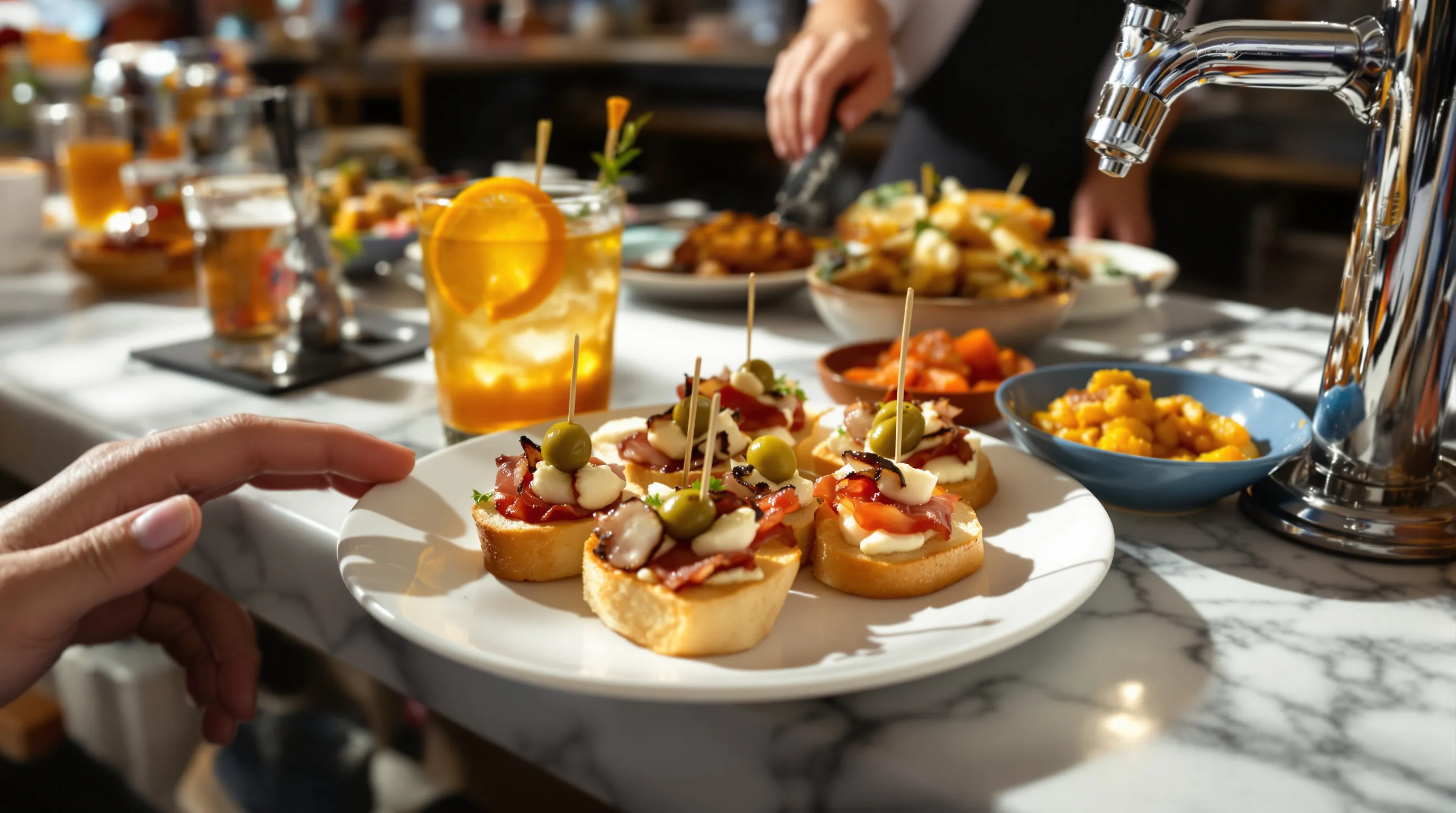
Tapas are shared small plates you order from a menu: pintxos are bite-sized snacks usually skewered with a toothpick (Basque-style). At pintxos bars, you’ll often collect plates and pay by toothpick count, fun, casual, and fast. Must-tries: patatas bravas (ask if the sauce leans spicy or smoky), pan con tomate, jamón ibérico, croquetas, boquerones, and grilled octopus. When in doubt, point at the bar display and ask for “una ración para compartir.“
Markets With Fewer Crowds: Santa Caterina And Sant Antoni
Skip La Boqueria at peak times and aim for Santa Caterina (the wavy, rainbow-roof market) or Sant Antoni (sleek, restored iron market with a local vibe). Go in the morning for fresh fruit, cheeses, and jamón cones: then grab a casual lunch stool. Prices are fair, and the pace is friendlier. If you’re self-catering, you’ll find seasonal produce and Catalan basics for an easy picnic.
Catalan Classics: Calçots, Escalivada, Esqueixada, And Where To Find Them
Catalan cuisine is rustic, vegetable-forward, and deeply seasonal. In winter through early spring, look for calçots, grilled spring onions you dip in romesco, best at a calçotada feast. Year-round staples: escalivada (smoky roasted peppers and eggplant), esqueixada (salt-cod salad), botifarra sausage with white beans, and crema catalana. Seek out neighborhood bistros (bodegues) and no-frills lunch menus (menú del día) for value.
Coffee, Vermut, And Natural Wine Bars Worth A Stop
Mornings are for specialty coffee, Barcelona has a thriving scene, while pre-lunch or pre-dinner vermut (vermouth on the rocks with an orange slice) is a local ritual. In the evening, try a natural wine bar for a glass of something Catalan and unfiltered. Order a small plate and take your time: there’s no rush here.
Neighborhoods With Personality
Gràcia: Plazas, Boutiques, And Local Festes
Once a separate village, Gràcia still feels intimate: leafy plazas, indie cinemas, and tiny shops. You’ll find laptop-friendly cafés by day and lively squares by night. In August, the Festa Major de Gràcia decks each street with creative decorations, if your timing aligns, it’s pure neighborhood magic.
Poble-sec: Tapas Bars, Theater Row, And Montjuïc Access
Squeeze into a tapas bar on Carrer Blai for pintxos and conversation, then catch a small theater show or wander toward Montjuïc for an evening stroll. It’s central yet lived-in, a good base if you want walkability without the Gothic Quarter crowds.
Poblenou: Beach Boardwalks, Street Art, And Creative Hubs
Poblenou‘s rambla leads straight to the sea. You’ll see runners, families, and startups all sharing space between refurbished factories and mural-lined walls. It’s ideal for work-life balance: coworking by day, barefoot beach walk by sunset.
El Raval: Culture, Contemporary Art, And Cautionary Tips
El Raval pulses with culture, MACBA‘s skate plaza, design bookshops, and global food. It also has an edgier side. Keep your phone tucked away, sling your bag cross-body, and stay aware at night. Visit with curiosity and common sense.
Slow Days Outdoors: Beaches, Parks, Views, And Day Trips
Best City Beaches And When To Go: Barceloneta To Ocata
Barceloneta is the city’s social beach, buzzing, especially midday. For more space, go early or late, or hop the train 30–40 minutes north to Ocata‘s wide, pale sands. In summer, shade and water are your best friends: off-season, bring a windbreaker and enjoy near-empty shores.
Green Escapes: Parc De La Ciutadella, Turó Park, And Laberint D’Horta
Ciutadella‘s lawns are perfect for a picnic and a rowboat spin by the grand fountain. Turó Park offers manicured calm in the upscale Sarrià-Sant Gervasi area. For something special, head to Parc del Laberint d’Horta, an 18th-century maze, pavilions, and shady paths with far fewer visitors than central parks. Bring a snack and linger.
Sunset Spots: Bunkers Del Carmel, Montjuïc, And Tibidabo
For a free, all-city panorama, hike up to the Bunkers del Carmel. Arrive 45–60 minutes before sunset to claim a perch and watch the grid glow. Montjuïc‘s terraces are gorgeous at golden hour, and Tibidabo‘s ridgeline path offers long views without the crowds.
Easy Day Trips: Montserrat, Sitges, And Girona
Montserrat pairs a serrated mountain landscape with a historic monastery, come for the funiculars and hikes. Sitges is your sun-and-sea fix with whitewashed streets and a breezy boardwalk. Girona’s medieval core and colorful river houses make an atmospheric wander, plus great food. Each is reachable by train in about 40–90 minutes.
Remote-Work Friendly Barcelona
Reliable Coworking Spaces And Day Pass Options
If you’re working while traveling, you’re in good company. Day passes at reputable coworking spaces typically run ~€15–€25 and include speedy Wi‑Fi, phone booths, and decent coffee. Look for spots in Gràcia, Poblenou, and Eixample for a balance of commute ease and lunch options.
Laptop-Friendly Cafés And Etiquette
Choose cafés that signal it’s okay to work (plenty of plugs, bigger tables). Order regularly, at least a drink per hour, and avoid peak brunch rush. If it’s slammed, close the laptop and switch to analog journaling for a while. You’ll earn goodwill and better service.
Where To Stay For Work-Life Balance: Gràcia, Poblenou, And Eixample
Gràcia gives you village vibes and short walks to cafés. Poblenou offers beach breaks between calls and a calm evening scene. Eixample is central and gridded, easy to navigate, with tons of dining options. Aim for lodgings on quieter streets to keep sleep solid.
Practical Tips For A Smooth, Sustainable Visit
Getting Around: Metro Passes, Biking, And Walkability
Barcelona’s metro is clean and intuitive. For short stays, a 48–120 hour travel card (Hola Barcelona) offers unlimited rides including airport: otherwise, multi-ride tickets (like a 10-trip pass) are good value, expect around €12–€15 for ten rides. Walking is often fastest in the center: for bikes, stick to marked lanes. Taxis and ride-hails are plentiful, but public transit wins most of the time.
Best Times To Visit, Festivals, And Crowd Strategy
Spring and fall bring mild weather and manageable crowds. Sant Jordi (April) turns the city into a book-and-rose festival: La Mercè (September) packs concerts, human towers, and fireworks. For the big sights, go at opening or late afternoon, and book ahead. Midweek beats weekends.
Safety And Etiquette: Pickpocketing, Quiet Hours, And Tipping
Petty theft happens, especially around La Rambla, Sants train station, and crowded beaches. Keep essentials zipped and in front of you, especially on the metro. Respect quiet hours in residential buildings, greet with a friendly “hola,“ and tip modestly (round up or add 5–10% in sit-down restaurants if service stands out).
Respectful Travel: Supporting Locals And Avoiding Overtourism
Opt for family-run eateries, neighborhood markets, and independent shops. Stay outside the most saturated zones, recycle, carry a refillable bottle, and learn a few Catalan basics (merci, si us plau). Explore alternatives: visit Sant Pau instead of only Park Güell: choose Santa Caterina over Boqueria at peak times. Your choices shape the city you experience.
Conclusion
Barcelona rewards curiosity. When you pair headliners with slow mornings in plazas, market lunches, and sunset walks above the rooftops, you get a city that feels both iconic and intimate. Go looking for Gaudí and come back with a playlist of neighborhood sounds, the clink of vermut glasses, the rustle of plane trees, the cheer of a plaza at dusk.
Key takeaways:
- Book big sights in advance and aim for early or late windows.
- Swap the most crowded spots for local-first alternatives (Casa Vicens, Sant Pau, Santa Caterina).
- Build in slow time: a park, a long lunch, a golden-hour viewpoint.
- Work-friendly neighborhoods include Gràcia, Poblenou, and Eixample: be a considerate café guest.
- Travel light, watch your pockets, and support small businesses.
Do that, and you won’t just tick off what to do in Barcelona, you’ll actually feel the city breathing around you.