
You land in Marrakech just before sunset. The air smells like orange blossom and grilled meat, a call to prayer echoes over the rooftops, and suddenly you’re in the middle of a living painting, scooters buzzing past donkeys, lanterns lighting up one by one.
That’s what trips in Morocco do: they pull you into a world that’s loud, colorful, and incredibly alive, then, a day later, you’re standing on a sand dune in complete silence, watching the Milky Way.
This guide is here to help you turn the “I’ve always wanted to go“ feeling into a real, well-planned adventure. You’ll see which type of Morocco trip fits you best, how many days you actually need, where to go.
Also what it costs, and how to travel respectfully, whether you’re there for a quick escape or a slow-working month by the sea.
Why Morocco Belongs On Your Travel Shortlist

If you’ve been scrolling past dreamy photos of desert camps and blue-washed alleys, wondering if Morocco is really for you, the answer is probably yes.
Morocco sits at the crossroads of Arab, Berber, and African cultures. That means in a single week you can:
- Haggle for hand-woven rugs in a 1,000-year-old medina
- Hike through tiny Atlas Mountain villages where life still moves at donkey pace
- Sleep under the stars in the Sahara Desert
- Drink mint tea overlooking Atlantic waves in a laid-back surf town
It’s a destination that works whether you’re a city person, a nature lover, or a bit of both. And it’s surprisingly flexible in terms of budget. You can travel on $30–50 a day if you keep it simple, or lean into boutique riads and desert glamping when you want a splurge.
Most importantly, Morocco has texture: voices, smells, tile patterns, the scratch of wool as someone weaves a blanket in front of you. It’s the kind of place that changes how you see the world, not just your Instagram feed.
Best Types Of Trips In Morocco (And Who They’re For)

Before you book flights, get clear on the kind of Morocco trip you want. That decision shapes your route, your budget, and even the time of year you should go.
1. Cultural & City Trips
Perfect for: first-timers, foodies, history lovers.
You base yourself in cities like Marrakech and Fes, exploring medinas, palaces, hammams, museums, and night markets. Think rooftop dinners, guided walking tours, cooking classes, and day trips to nearby valleys.
2. Desert Adventures
Perfect for: photographers, couples, anyone who wants that “sleeping in the Sahara” moment.
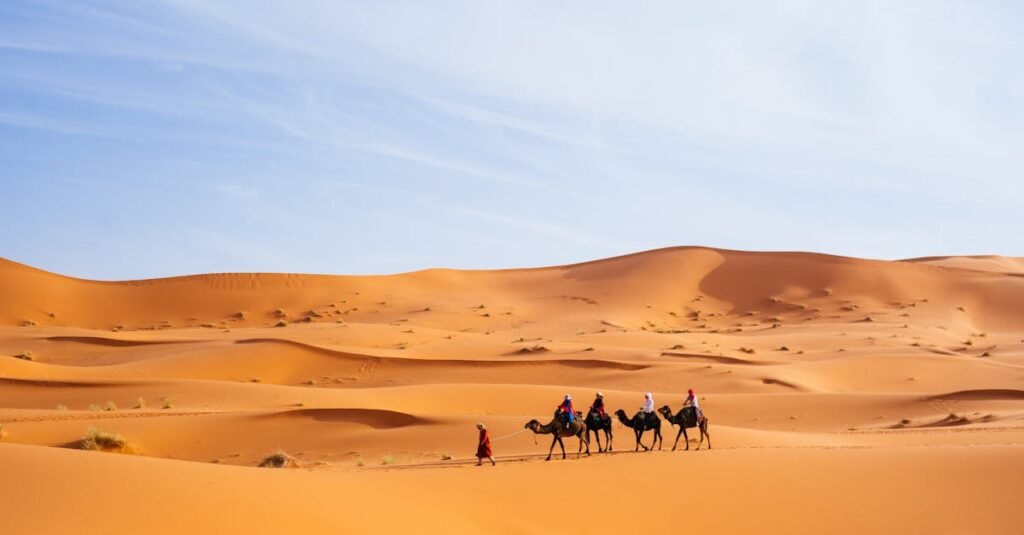
You’ll usually travel from Marrakech or Fes to Merzouga or a similar desert gateway. From there, it’s camel treks, 4x4 rides, and nights in Berber-style camps (ranging from simple to ultra-luxury).
3. Mountain & Hiking Trips
Perfect for: hikers, nature lovers, travelers who want to slow down.
The Atlas Mountains are dotted with small Berber villages and connected by old mule paths. You can do gentle day hikes from spots like Imlil or Ourika Valley, or tackle Mount Toubkal if you’re up for a challenge.
4. Coastal & Surf Escapes
Perfect for: laid-back travelers, surfers, remote workers.
Essaouira, Taghazout, and Agadir offer beach walks, seafood, surf schools, and a slower rhythm. It’s easy to combine a few days on the coast with time in Marrakech.
Many trips in Morocco blend these styles: for example, 3 nights in Marrakech, 1–2 nights in the desert, and a few chilled days by the sea.
Classic Morocco Itineraries: 5, 7, And 10 Days
Five-Day Taste Of Morocco: Culture, Food, And Markets
If you’ve only got five days, keep it simple and avoid trying to “do it all.” Focus on one hub, usually Marrakech, plus one short escape.
Sample 5-day plan:
- Day 1–3: Marrakech
Explore the medina, Bahia Palace, Saadian Tombs, and Jardin Majorelle/Yves Saint Laurent Museum. Wander Jemaa el-Fna at night for street food and storytellers. Stay in a riad (traditional house with a central courtyard) inside the old city for maximum atmosphere.
- Day 4: Atlas Mountains day trip
Head to Ourika Valley or Imlil for a light hike, waterfall visit, and lunch in a Berber village. Tour costs range from about $30–80 per person depending on group size and inclusions.
- Day 5: Essaouira or more Marrakech
If you’re up early, a day trip to Essaouira gives you a taste of the coast. Otherwise, keep it slow with a hammam, final shopping, and café-hopping in Marrakech.
This version of trips in Morocco is compact but rich, perfect for a first impression.
Seven-Day Morocco: From Medina Streets To Sahara Sands
With a week, you can add the desert or a second historic city.
Option A: Cities + Desert
- Days 1–2: Marrakech
- Day 3: Road trip via Ait Benhaddou (UNESCO ksar used in several films) and Ouarzazate
- Day 4: Dades Valley and Todgha Gorge
- Day 5: Merzouga, camel trek into the dunes, desert camp overnight
- Day 6: Travel back towards Marrakech
- Day 7: Marrakech, last-minute exploring and flights
Option B: Marrakech + Fes + Volubilis
- Days 1–3: Marrakech
- Day 4: Travel to Fes (train or private transfer)
- Day 5: Fes medina, tannery visits, madrasas
- Day 6: Day trip to Roman ruins of Volubilis and the imperial city of Meknes
- Day 7: Fes and departure
Ten-Day Slow Travel Route: Coast, Atlas Mountains, And Desert
Ten days lets you breathe a little, ideal if you value slow travel over checking boxes.
Sample 10-day route:
- Days 1–3: Marrakech – Deep-jump into food, markets, and a hammam ritual.
- Days 4–5: Atlas Mountains – Base yourself in Imlil or another village, with daily hikes and home-cooked tagines.
- Days 6–7: Sahara Desert (Merzouga) – Road-trip via Ait Benhaddou, stay 1 night in a kasbah along the way, 1 night in a desert camp.
- Days 8–10: Essaouira – End with sea breezes, art galleries, and sunsets on the ramparts before heading back to Marrakech for your flight.
This kind of itinerary balances stimulation with stillness, and that’s where Morocco really sinks in.
Where To Go: Morocco’s Most Inspiring Regions
Marrakech And Fes: Medinas, Riads, And Night Markets
Marrakech hits you in the senses: piles of saffron and cumin in the spice market, hand-beaten copper trays clanging in tiny workshops, scooters weaving through alleys the width of your hallway.
Stay inside or near the medina in a riad with a rooftop terrace. Mornings are for wandering quieter backstreets, afternoons for museums and gardens, and evenings for rooftop dinners and night markets.
Fes is more intense, more old-world. Its medina feels like a maze you stepped into 800 years ago. Visit the famous tanneries (they really do give you mint to smell), explore ornate madrasas, and watch artisans carving and weaving in tiny stalls.
The Sahara Desert: Merzouga, Camel Treks, And Desert Camps
Nothing prepares you for your first sunrise in the Sahara. The light turns the dunes from ink-black to deep orange to soft gold, and the only sound is sand shifting under camel hooves.
Merzouga and nearby Erg Chebbi dunes are the classic base. Most travelers book a tour that includes transit, a camel ride (or 4x4 if you prefer), and a camp stay:
- Standard camps: Simple tents, shared bathrooms, traditional meals.
- Luxury camps: Big beds, en-suite bathrooms, fairy lights, sometimes even Wi-Fi.
You’ll usually get live music around the fire and more stars than you thought existed.
Atlas Mountains And Berber Villages: Hiking And Homestays
A couple of hours from Marrakech, the High Atlas feel like another country. Terraced fields, snow-capped peaks (in winter), and stone villages stacked into the hills.
Base yourself in Imlil, Ourika Valley, or Aroumd for day hikes. For a deeper experience, arrange a homestay or guesthouse run by a Berber family. It’s simple, warm, and a good way to see everyday life beyond the cities.
Coastal Escapes: Essaouira, Agadir, And Beyond
If Marrakech is a shot of espresso, Essaouira is a cup of mint tea you linger over.
White-and-blue walls, seagulls, fishing boats, gnawa music drifting through the alleys, the city has a relaxed, artistic vibe. It’s windy (kite- and wind-surfers love it), and the beaches are better for walking and riding horses than swimming.
Farther south, Agadir and Taghazout lean more into resort and surf-town energy: long beaches, café culture, yoga studios, and a growing digital nomad scene.
Budget, Safety, And Cultural Etiquette For Morocco Trips
Costs, Money-Saving Tips, And When To Go
Your daily budget in Morocco can vary a lot, but rough numbers:
- Budget travel: $30–50 per day (hostels, street food, buses)
- Mid-range: $50–100 per day (nice riads, mix of street food and restaurants, some tours)
- Comfort / boutique: $100–200+ per day (boutique stays, private guides, desert glamping)
Money savers:
- Eat where locals eat: simple meals can be $3–7.
- Use trains and buses between major cities instead of private drivers.
- Book desert tours and excursions once you’re in-country (just compare reviews and ask detailed questions).
Best time to go:
- Spring (March–May) and autumn (Sept–Nov) are ideal for cities and desert, warm days, cooler nights.
- Summer: Very hot inland, but great for coast trips in Morocco.
- Winter: Chilly nights in the desert and mountains: pack layers.
Staying Safe While Traveling In Morocco
Morocco is generally safe for travelers, including solo travelers, if you use common sense.
Key tips:
- Stick to well-lit, busy areas at night, especially in large medinas.
- Keep valuables zipped and avoid flashy jewelry or tech in crowded souks.
- Use licensed guides or guides recommended by your riad: if someone latches on “to help,” agree on a price upfront or politely decline.
- For taxis, either use official stands or agree the fare before getting in if there’s no meter.
You’ll likely encounter some persistent selling, staying calm, firm, and polite goes a long way.
Respectful Travel: Dress Codes, Tipping, And Local Customs
Morocco is relatively relaxed but still conservative by Western standards.
Dress:
You don’t need to be covered head to toe, but aim for shoulders and knees covered in cities and villages, especially outside beach areas. Loose, breathable clothing is your friend in the heat anyway.
Tipping:
- Restaurants: around 10% is appreciated.
- Cafés: round up or leave a few dirhams.
- Guides, drivers, and hotel staff: small tips are customary.
Etiquette & customs:
- Ask before taking photos of people, especially in markets and rural areas.
- Use your right hand when receiving or giving items.
- Public displays of affection are toned down: keep things low-key.
Traveling respectfully doesn’t limit your experience, it deepens your connection with the people hosting you.
Morocco For Remote Workers And Slow Travelers
Best Bases For Working Remotely In Morocco
If you’re dreaming of long, slow trips in Morocco with your laptop in tow, you’re not alone. A few places stand out:
- Marrakech: Lively, stimulating, with cafés, coworking spaces, and plenty of accommodation options. Great if you like energy around you.
- Essaouira: Smaller, breezier, and more relaxed. Ideal if you want to mix work with beach walks and creative time.
- Taghazout / Agadir: Surf-town vibe with yoga studios, co-livings, and a growing remote work scene.
Wi-Fi, Coworking, And Long-Stay Accommodation Tips
Wi-Fi in Morocco is better than many people expect, especially in cities and popular coastal towns. Speeds can vary, so if work is crucial:
- Ask your riad or apartment host for actual speed tests before booking.
- Buy a local SIM card on arrival (Inwi, Maroc Telecom, or Orange) with a data package, it’s cheap and handy as a backup hotspot.
Coworking spaces exist mainly in Marrakech, Casablanca, Rabat, and some coastal hubs. Otherwise, laptop-friendly cafés and riad courtyards can double as your office.
For longer stays, look at monthly rentals:
- Private rooms in riads or guesthouses from around $500+/month in smaller cities and towns.
- Apartments via Airbnb or local agents if you want a kitchen and more privacy.
Slow travel in Morocco can look like this: mornings working from a tiled courtyard, afternoons exploring markets or taking language lessons, evenings sharing tagine with fellow travelers on the roof. Not a bad routine.
Local Experiences You Should Not Miss
Food, Markets, And Everyday Rituals
Some of the best moments on trips in Morocco are tiny ones.
Make time for:
- Street food: Try bissara (fava bean soup), msemen (layered flatbread), and sardine sandwiches on the coast.
- Food tours or cooking classes: A great crash course in spices, shopping, and how tagines really work.
- Mint tea rituals: Watch how carefully it’s poured from high above the glass. Saying yes to tea often opens the door to long conversations.
- Hammam visit: Public bathhouses range from very local to spa-lux. It’s a deep-clean and a cultural experience rolled into one.
Unique Tours, Day Trips, And Hidden-Gem Stays
A few experiences worth building in:
- Chefchaouen: The famous blue city in the Rif Mountains, perfect for photography and slow wandering. Best as an overnight or 2-night stay.
- Draa Valley: Palm oases, mudbrick villages, and kasbahs, a more offbeat detour on the route to/from the desert.
- Artisan workshops: Leather, pottery, weaving, or calligraphy workshops let you create something to take home and support local crafts.
- Eco-lodges and rural guesthouses: In the Atlas or near oases, these stays connect you with nature and local communities in a deeper way.
The magic of Morocco isn’t just in the “must-sees”, it’s in the woman who teaches you to bake bread in a village oven, or the café owner who insists you try his favorite pastry.