

Slow travel is completely different from the traditional way of exploring a destination. Traveling is one of life’s greatest joys, yet it can quickly turn into a challenging job without the right strategies.
So, whether you’re planning a weekend getaway or preparing for a month-long journey, knowing the most essential travel tips will help simplify your experience, saving you both time and money while enriching your adventure. From booking strategies to connecting with locals, jump into these actionable tips designed to make your travels as enjoyable and stress-free as possible.
What Is Slow Travel?
As its name implies, slow travel is a mindful approach to exploring destinations by spending more time in fewer places rather than rushing through many. It emphasizes meaningful experiences, cultural immersion, and connection with local communities.
Instead of ticking off attractions, slow travelers savor everyday moments—walking neighborhoods, eating local food, learning traditions, and engaging with residents. This style of travel values quality over quantity, encouraging sustainable choices that reduce environmental impact and support local economies.
By traveling at a gentler pace, slow travel helps reduce stress, deepen understanding of a destination, and create more authentic, memorable experiences that go beyond typical sightseeing and tourism checklists.
Real-Life Examples of Slow Travel
To further provide you a better idea, here are some real-life examples of slow travel:
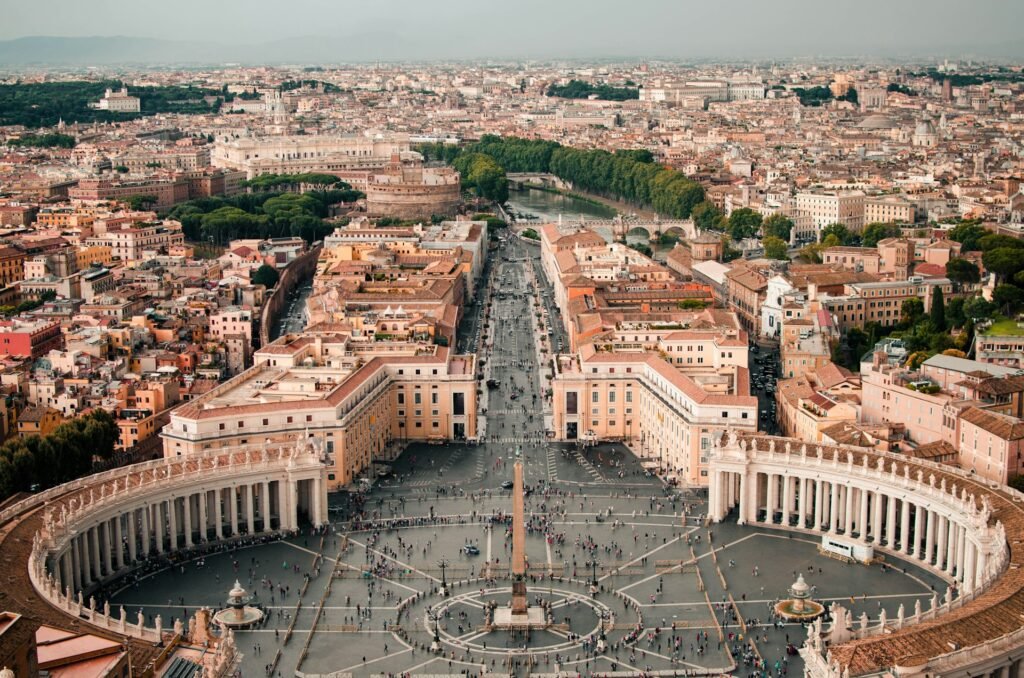
- Living three months in Italy, renting locally, shopping markets, learning Italian, exploring one region deeply.
- Traveling slowly across Japan by rail, staying longer in Kyoto, attending tea ceremonies and meditation.
- Spending a season in Portugal, working remotely, befriending locals, mastering pastries, coastal routines daily life.
- Exploring Vietnam by motorbike over weeks, sleeping homestays, sharing meals, understanding regional cultures slowly firsthand.
- Staying months in Mexico, learning Spanish, volunteering locally, celebrating festivals, building community connections through time.
Why Slow Travel Saves Money: The 30-Day Rule for Digital Nomads
For modern travelers, especially digital nomads, embracing the philosophy of slow travel can transform your journey. By committing to a destination for an extended period (30 days or more), you can enhance both your experience and savings. Here’s how:
Monthly Rates Beat Nightly Rates
Staying in one place for an entire month can yield significant financial benefits. Many apartment rentals, homestays, and co-living spaces offer steep discounts for longer stays, often between 20% and 50% off nightly rates. This isn’t just about the immediate savings but creating a more economical travel lifestyle.
Fewer Transportation Costs
Traveling frequently can quickly become one of your biggest expenses. By minimizing the number of long-haul flights or train rides, you not only reduce costs but also free up time. Less time spent in transit means more valuable hours for work or exploration.
Deeper Local Integration
When you stay longer in one location, you immerse yourself in the culture. Shopping at local markets, experimenting with regional cuisine, and learning the public transport system not only cuts expenses but also enriches your travel experience. You’ll find yourself exploring off-the-beaten-path areas that most tourists miss, gaining authentic insights into local life.
Better Work Productivity
If you’re a remote worker, settling into a new city can enhance your productivity. With fewer disruptions from constant packing and unpacking, you can focus more on your work, potentially earning more during your travels. It’s a win-win situation.
Negotiation Power
With a commitment to a 30-day stay, you often have leverage when negotiating rates for accommodations or coworking spaces. Many property owners and managers are more flexible when they see a long-term rental opportunity, allowing you to negotiate better deals and added amenities.
Planning on becoming a digital nomad? Consider adopting this 30-day stay strategy. Not only will it lower your travel expenses, but it will also enrich your journey and allow for authentic experiences that short-term stays simply do not provide.
Key Takeaways
- Embrace slow travel by committing to one destination for 30 days to maximize savings and experiences.
- Opt for monthly rentals to benefit from discounts of 20% to 50% compared to nightly rates.
- Reduce transportation costs by minimizing the frequency of travel between destinations.
- Immerse yourself in local culture by shopping at markets and trying regional cuisines during extended stays.
- Enhance your productivity as a remote worker by reducing the disruptions of constant travel.
- Leverage your long-term stay to negotiate better rates and amenities with property owners.