
As the sun sets over a bustling city or a serene countryside, you might find yourself pondering a question that often arises among travelers: should you sprint from one iconic landmark to another, or should you take your time to truly soak in the atmosphere around you?
While fast travel promises a whirlwind of experiences, slow travel invites you to savor every moment. In this comprehensive guide, we’re diving deep into the essence of these two distinct travel styles, their benefits, and how to find your personal rhythm on the road. Let’s explore how each approach influences your journey and which one may suit your travel goals best.
What Is Fast travel? What Is Slow Travel?
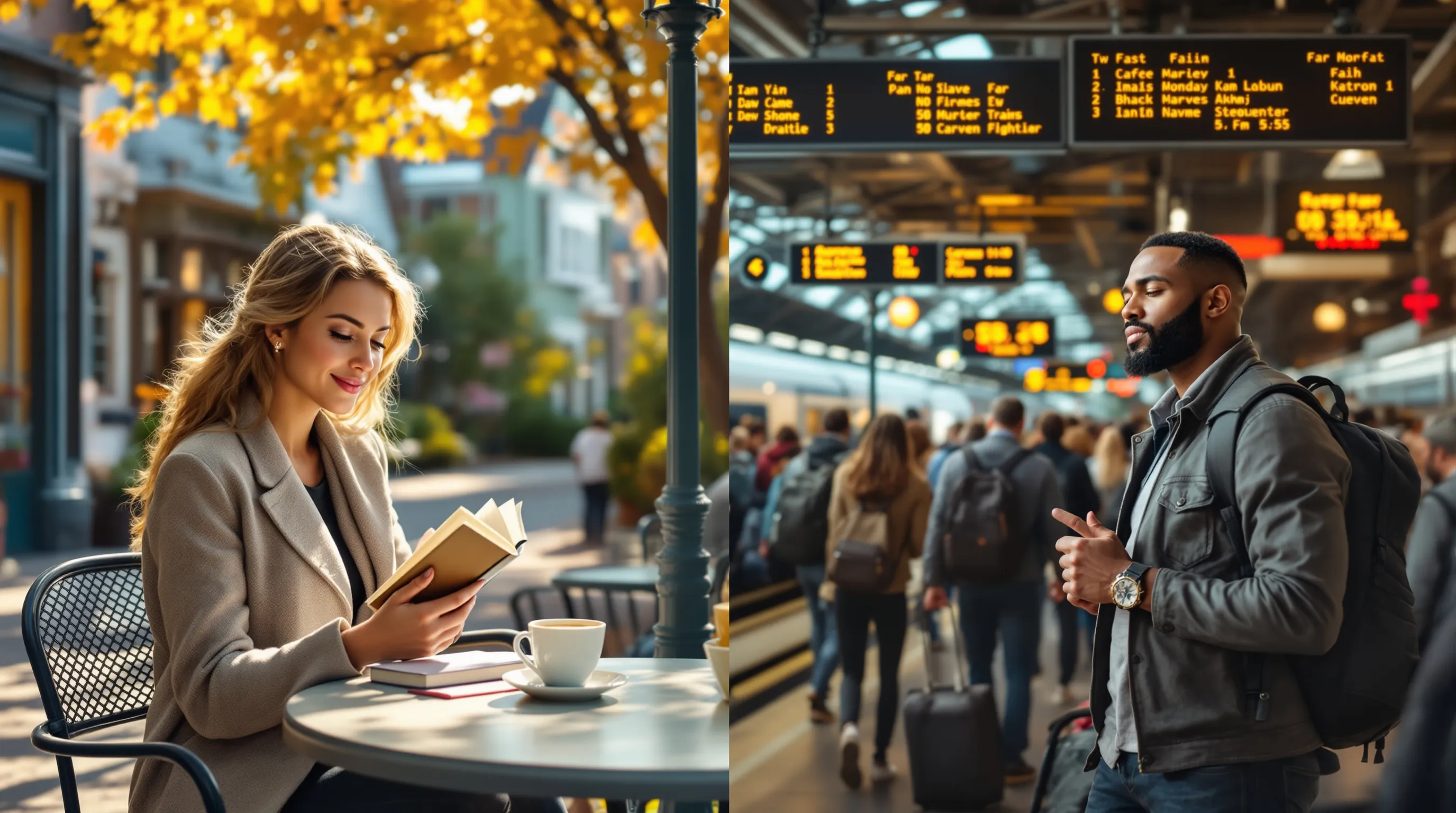
Fast travel is all about maximizing your experiences within a limited timeframe. Imagine jetting from Paris to Barcelona, making a quick stop at renowned sites like the Eiffel Tower or Sagrada Familia. This style often involves planes, trains, or lengthy drives, following a meticulously crafted itinerary. It’s perfect for those who want to check off bucket list destinations in a brief window.
On the flip side, slow travel embraces a more leisurely pace. It’s about diving into the local culture and connecting with the places you visit by staying longer and exploring fewer areas. Whether it’s biking through Amsterdam or ambling through the backstreets of Kyoto, slow travel allows you to relish the everyday moments that form the essence of a destination.
The Benefits of Fast Travel
Fast travel suits those on a tight schedule, offering several undeniable advantages:
- See more in less time: If you have limited vacation days, fast travel enables you to visit multiple destinations and capture the highlights. You can tick off major attractions that you’ve only dreamed of seeing.
- Efficient for planned goals: If your trip revolves around specific events, like a concert or conference, this method helps make the best use of your days off.
- Use hubs and flights: The beauty of fast travel lies in its ability to connect with major hubs, minimizing time off work by maximizing travel efficiency.
But, the thrill of rushing from one spot to another can sometimes feel like a blur, leaving you yearning for more than just the surface of each location.
The Benefits of Slow Travel
Slow travel has been gaining traction, and for good reasons:
- Cultural immersion: By spending more time in one place, you’ll discover authentic local experiences, from bakeries to festivals, that reveal the true spirit of the area.
- Reduced stress: The relaxed pace of slow travel can reduce fatigue and burnout, allowing for meaningful connections with both people and places.
- Deeper connections: Longer stays help cultivate friendships with locals and fellow travelers alike, enriching your experience.
- Cost-effective: With fewer logistics to juggle, you can save money through longer accommodations and local dining options.
- Sustainability: Traveling slowly typically means fewer flights and more public transport, reducing your overall carbon footprint.
Leave the Judgment at Home
Navigating the debate between fast and slow travel should be free of judgment. Travel literature increasingly articulates that there’s no single “right” way to travel. What matters is how your journey aligns with your aspirations, health, budget, and responsibilities. Fast or slow, both methods possess their unique charm and utility. Understanding your needs is key, instead of focusing on the pace, allow your travel choices to resonate with your personal goals.
The Privilege to Prioritize Your Travel Habit
While many dream of embracing the slow travel lifestyle, it’s important to acknowledge the privilege inherent in such choices. Although valuable, slow travel often necessitates time flexibility, savings, job stability, and sometimes complicated visa processes. In contrast, many travelers must opt for quicker jaunts shaped by work or familial obligations. Recognizing this disparity allows travelers to appreciate their journeys regardless of pace.
How to Slow Travel When You Don’t Have a Lot of Time
If you’re short on time but want to experience the joys of slow travel, there are ways to incorporate it into your trips:
- Base yourself in one area: Choose a city or region and explore it thoroughly instead of hopping from place to place.
- Use public transport: Walking, biking, or using buses over flights not only deepens your interaction with the locale but can also save money.
- Schedule fewer sights per day: Allow for downtime in your itinerary. Instead of rushing between attractions, embrace spontaneity.
- Dine locally: Frequent neighborhood eateries and market stalls to engage with local cuisine and culture more directly.
Which Is Better: Fast Travel or Slow Travel?
Eventually, deciding between fast and slow travel boils down to personal goals and preferences. Evidence shows slow travel is generally more beneficial for well-being, cultural depth, and sustainability. But, fast travel excels in delivering efficiency and convenience for destination-hunters short on time. Embrace your unique travel style, and trust that your journey is valid, whether you find delight in the rush or in the pause.