
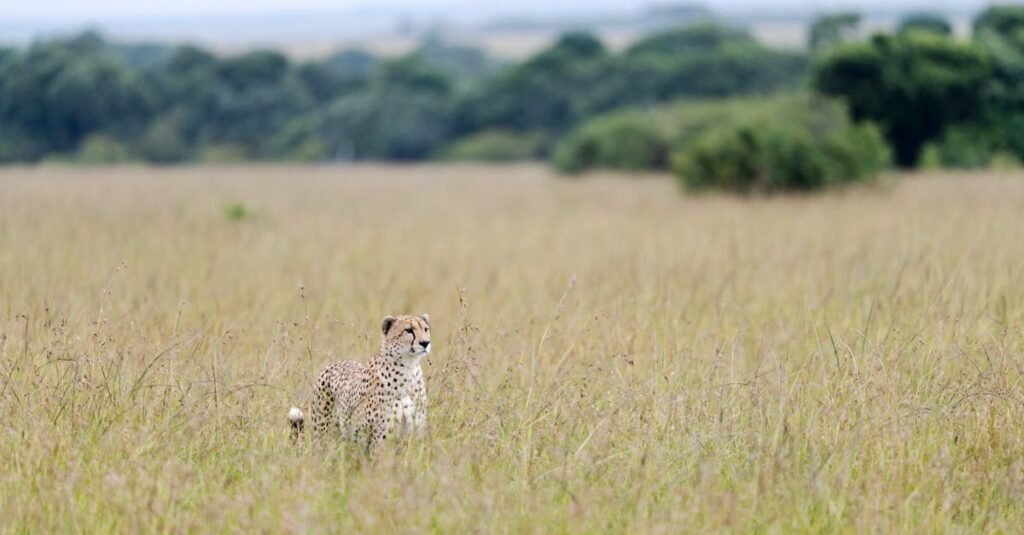
Here’s a handy guide to help you plan your dream safari – covering the top parks to visit, the best times to go, tips for choosing between public parks and private conservancies.
Sample 7–10 day itineraries, remote-work tips, costs, and advice for traveling ethically. Let’s explore wildlife, culture, and conservation together!
We still remember our first dawn in the Maasai Mara: the low rumble of a lion somewhere in the acacias, a thermos of coffee warming our hands, and a sky that felt wider than anything back home in New York. Kenya’s African safari doesn’t play coy, it’s big cats in golden light, elephants moving like gray ships across a sea of grass, and communities who’ve protected these landscapes for generations.
This guide blends that feeling with the logistics we wish we had on day one: where to go, when to go, how to pick between budget and splurge, and how to do it all responsibly (and even with a laptop in tow).
Where To Go: Kenya’s Best Parks And Conservancies
Maasai Mara & Mara Conservancies: Big Cats And Migration Access
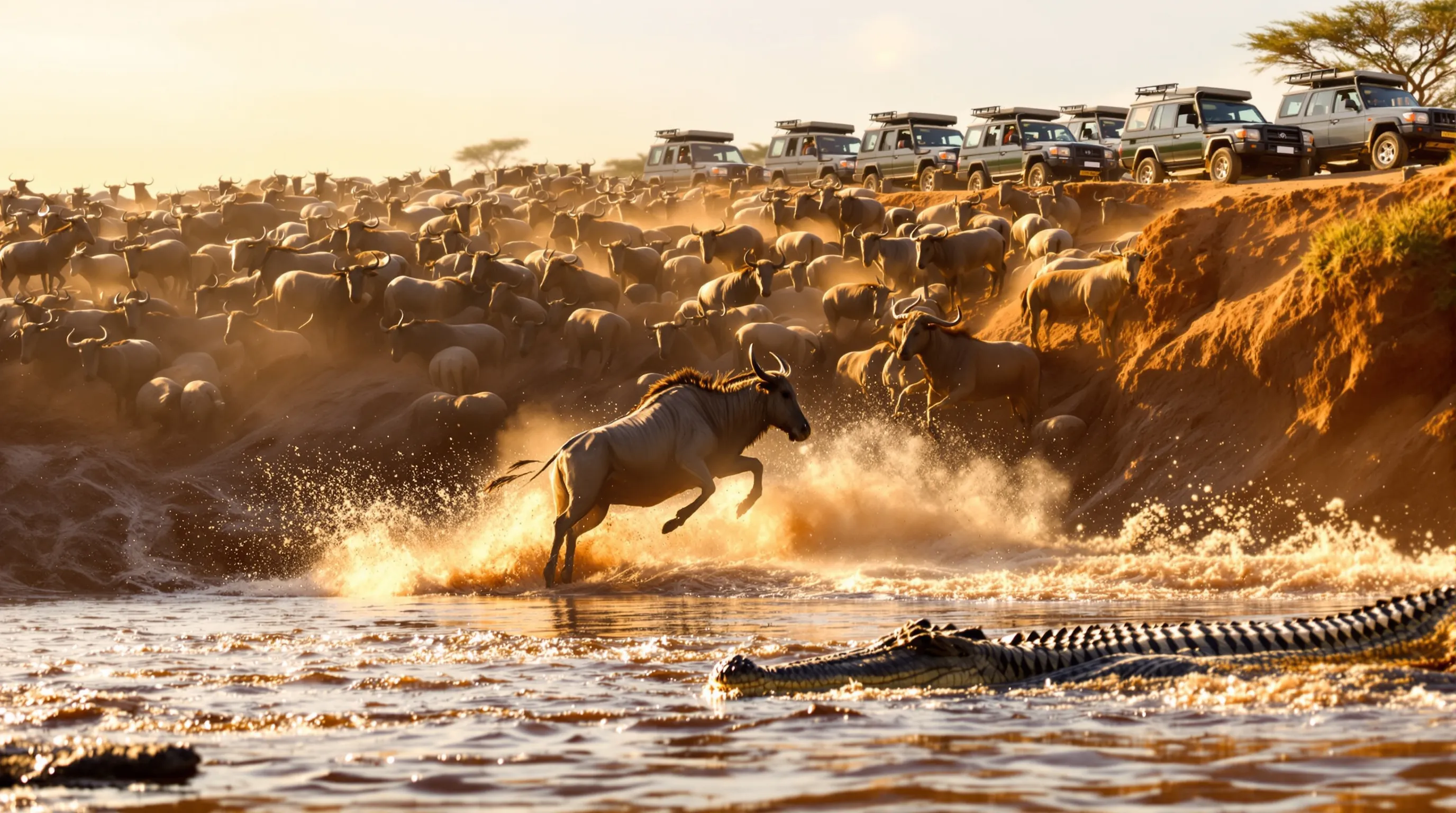
The Maasai Mara is the headline act for a reason. From July–September, the Great Migration surges in, and if we get lucky, we’ll see wildebeest braving the Mara River while crocodiles wait below and martial eagles circle above. Even outside migration, the Mara is a big-cat classroom, lions, cheetahs, and leopards are seen year-round.
If we value fewer vehicles and deeper nature time, look at the surrounding Mara conservancies (like Olare Motorogi, Naboisho, Mara North). Vehicle numbers are capped, off-roading is typically allowed for better sightings, and night drives and walking safaris unlock behaviors we never see at midday. Conservancy fees are higher, but the experience is calmer and more intimate.
Amboseli & Chyulu Hills: Iconic Elephants And Kili Views
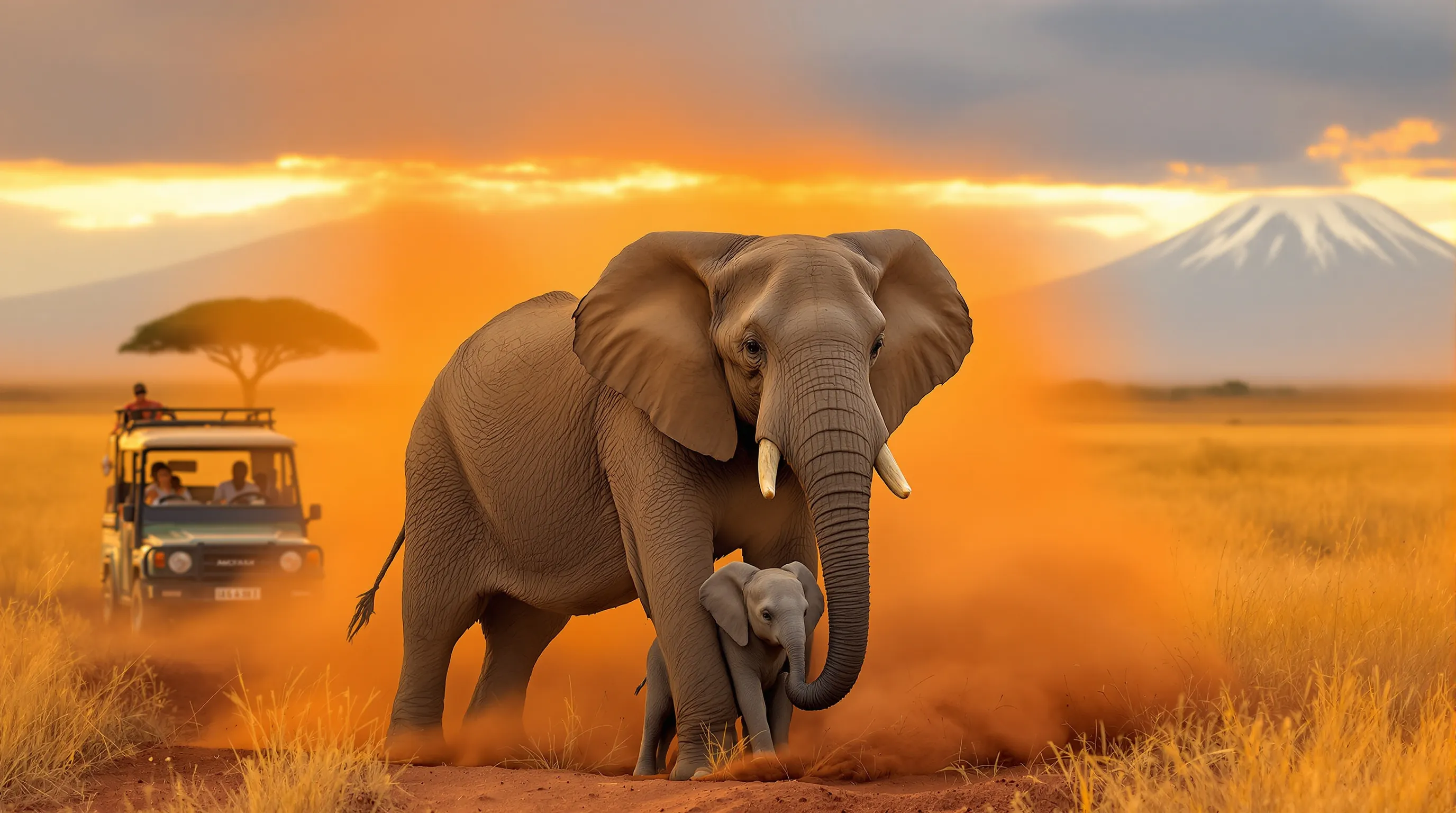
Amboseli is elephant country. Big herds stroll against the snow-capped outline of Mount Kilimanjaro, a photographer’s dream when clouds peel back at dawn. We’ve had surreal moments here: a matriarch shielding her calf from a dust gust, a bull throwing a dramatic red-dust shower at sunset. Nearby Chyulu Hills offers volcanic cones, lava tubes, and ultra-clear air: it’s a great add-on for riders (horseback safaris), hikers, and anyone after lava-landscapes without crowds.
Samburu & Laikipia: Unique Species And Community Conservancies
Head north for Kenya’s “Samburu Special Five“: Grevy‘s zebra, reticulated giraffe, Beisa oryx, Somali ostrich, and gerenuk (the antelope that feeds standing upright). Laikipia‘s mosaic of ranches and conservancies is a living lab for community-led conservation, with chances to see wild dogs and, at places like Ol Pejeta, both black and white rhino. We love the mix here: walking safaris, camel-supported treks, and starbeds where we fall asleep under a spill of constellations.
Tsavo East/West: Wide-Open Space And Red Elephants
Tsavo is vast, one of Africa’s largest protected areas, and it feels it. The elephants here tint themselves red with the laterite soils: it’s a striking sight. Tsavo West adds volcanic scenery and the crystal springs of Mzima, while Tsavo East stretches wide and wild. With fewer vehicles than the Mara or Amboseli, Tsavo rewards patient, long-game safari lovers.
Meru & Lesser-Known Gems: Quieter, Lush, And Wild
Meru National Park is where “Born Free” unfolded, and it still feels off the tourist highway, rivers, doum palms, and excellent predator and elephant sightings without the busyness. If we’re chasing quiet, consider Meru, or add smaller gems like Aberdare (misty forests, rare bongo) or the underrated Lewa Wildlife Conservancy for rhinos and sweeping plains.
When To Go: Seasons, Migration, And Crowd Levels
Great Migration Window Vs. Green Season Value
Peak drama is July–September when the Great Migration typically enters the Mara. Expect higher prices and more vehicles at famous river crossings. The flip side? April–June brings the Green Season, lush landscapes, vibrant birdlife, and fewer visitors. Yes, rains can make some roads muddy, but the trade-off is value, moodier light, and longer moments alone with wildlife.
Weather, Light, And Wildlife Behavior By Month
- Jan–Feb: Hot, generally dry, excellent visibility and predator action as water sources shrink. Photographers love the crisp mornings.
- Mar: Rains building: still good, with fewer crowds.
- Apr–May: Long rains. Brilliant greens, dramatic skies. Some camps close: prices drop where open.
- Jun: Shoulder season transitioning drier: great value before peak.
- Jul–Sep: Dry, cool mornings, migration in the Mara, densest wildlife concentrations.
- Oct: Still strong: fewer people than peak.
- Nov: Short rains, fresh grass, good birding, and photogenic storms.
- Dec: Rains taper: festive travel uptick, but not as crowded as July–Sept.
Pro tip: Early mornings and late afternoons remain the golden hours, wildlife is active and the light is cinematic.
How To Safari: Budget, Mid-Range, Or Splash-Out
Public Parks Vs. Private Conservancies (Vehicle Limits, Night Drives)
Public national parks (like Amboseli, Tsavo) and national reserves (Maasai Mara) are accessible and generally more budget-friendly. Downsides: more vehicles at key sightings and stricter rules (no off-roading, no night drives). Private or community conservancies cost more but limit vehicles, allow off-road positioning, and often offer night drives and walking safaris, huge for photographers and anyone craving quieter encounters.
Costs (guidance, 2025: subject to change):
- Park/reserve entry: roughly $50–$100+ per adult/day (Mara Reserve often on the higher end in peak season).
- Conservancy fees: commonly $80–$120/day, supporting community landowners and rangers.
Group Overland, Fly-In Camps, Or Self-Drive: Pros And Cons
- Group overland: Most economical: sociable: more time on the road: fixed routes and scheduled departures.
- Fly-in safaris: Pricier but time-saving: we maximize wildlife time and minimize long drives: luggage limits apply.
- Self-drive: Ultimate flexibility and lower day rates, but best for experienced drivers comfortable with rough roads, navigation, and changing conditions. In conservancies and some parks, guided drives still yield better sightings.
Two Sample 7–10 Day Itineraries (Classic And Offbeat)
- Classic (8–10 days): Nairobi (1 night) > Maasai Mara (3–4 nights) > Lake Nakuru or Naivasha (2 nights for rhino, flamingos, and boating) > Amboseli (2–3 nights). If flying, hop Nairobi–Mara–Amboseli–Nairobi. If overland, break the drives with a Rift Valley stop.
- Offbeat (8–10 days): Samburu (3 nights) > Laikipia (3 nights) > Meru (2–3 nights) > Chyulu Hills or Tsavo West (2 nights). This route leans into unique species, walking, and fewer vehicles.
We aim for 2–4 nights per location, enough time for sunrise and sunset drives, a rest afternoon, and a walk or community visit without rushing.
Culture, Ethics, And Sustainability
Respectful Visits With Maasai And Samburu Communities
Cultural visits can be powerful when they’re properly hosted and fairly compensated. We ask who benefits, how fees are shared, and whether visits are requested by the community. Small-group, pre-arranged visits with context (history, livelihoods, modern challenges) feel more genuine than quick drop-ins.
Choosing Community-Owned Camps And Ethical Wildlife Viewing
Community-owned or -partnered camps in the Mara, Laikipia, and northern Kenya directly fund rangers, schools, and grazing plans. Ethical viewing means no crowding animals, giving hunting predators space, and turning engines off at sightings when possible. We skip baiting, feeding, or pressuring guides to off-road illegally in public parks.
Tipping, Fair Pay, And Leave-No-Trace Basics
- Tipping guide: $10–$20 per guest per day (more for exceptional multi-day guiding).
- Camp staff: $5–$10 per guest per day in a communal box (confirm camp guidelines).
- Pack it in, pack it out: use refillable bottles: mind water use in arid regions: and keep noise low at sightings. Respect photography consent, ask before portraits and share images if invited.
Remote Work And Connectivity On Safari
Camps With Reliable Wi‑Fi, Power, And Work-Friendly Setups
More mid- to high-end camps now offer reliable Wi‑Fi in lounges or tents, with charging stations and solar power. If we’ve got calls, tell the camp ahead of time: they’ll suggest signal-strong spots or set up a quiet workspace. Expect speeds good enough for email, Slack, and light video. Heavy uploads are best in Nairobi.
Scheduling Game Drives Around Work Blocks And Time Zones
A nice rhythm: dawn drive (6–9am), mid-morning work block, lunch and rest, second work block, sunset drive (4–7pm), dinner, then a final check-in. Camps can shift drive times for the Eastern or Pacific time zones, just ask. If we need a solid, uninterrupted hour, skip the mid-drive coffee stop (we know, it hurts) and tack it on after sunset.
Nairobi Stopovers: Coworking, Cafes, eSIM/SIM, And Gear Top-Ups
Build 1–2 nights in Nairobi on arrival or exit. We grab an eSIM before landing or purchase a local Safaricom SIM at the airport or major malls. Nairobi has excellent cafes and coworking (think Kilimani, Westlands, Karen), camera shops for last-minute lens cloths, and supermarkets for snacks, sunscreen, DEET, and electrolyte tabs.
Logistics, Packing, And Photography Essentials
Visas, Vaccinations, Domestic Flights, And Baggage Limits
Entry has shifted to an electronic travel authorization (eTA) for many nationalities, including U.S. travelers, apply online a week or two ahead. Yellow fever vaccination is recommended and proof is required if arriving from/through endemic countries. Malaria prophylaxis is commonly advised: carry a basic medical kit. On domestic bush flights, soft bags and strict weight limits (15–20 kg total, including carry-on) apply.
Money, Mobile Payments (M-Pesa), And Park/Conservancy Fees
M-Pesa mobile payments are ubiquitous: we set it up via a local SIM or pay cash/card where available. USD is accepted at many lodges, but small KES bills are useful for tips and markets. Budget for park/reserve fees (~$50–$100+ per adult/day) and conservancy fees (~$80–$120/day): pricing changes seasonally, so confirm at booking.
Light Layers, Neutral Tones, And Dust-Proof Tech
Pack neutral layers (khaki, olive, sand) to blend with the bush and stay cool. Mornings can be 50–60°F, afternoons 80–90°F depending on region/season, so a fleece plus a breathable shirt and trousers works across drives. Add a sun hat, buff, polarized sunglasses, and a lightweight waterproof. For tech, bring dry bags, lens wipes, a rocket blower, and a microfiber wrap. Red dust gets everywhere, embrace it, then wipe it off.
Camera Lenses, Stabilization, And Ethical, Inclusive Imagery
A 100–400mm or 150–600mm telephoto is the safari sweet spot: a 24–70mm captures landscapes and camp life. Beanbags beat tripods in vehicles: image stabilization helps at dawn/dusk. Shoot at animal eye level when possible: keep distance and avoid flash with nocturnal species. And let’s make our photos inclusive and real, show travelers of diverse backgrounds (White, Black, Asian, and beyond) and local partners with consent, context, and credit. Avoid staging wildlife stress or tokenizing community moments.
Conclusion
We come to Kenya for the lions and leave talking about the light, the laughter by the fire, the way community conservancies braid livelihoods and wildlife into one story. If we do this right, choose our season with intention, support local stewardship, and give animals space, we’ll go home with more than photos. We’ll carry a sense of rhythm: early starts, long horizons, and the reminder that curiosity is a kind of compass.
Key Takeaways
- Choose locations by mood: Mara for big cats and migration, Amboseli for elephants and Kili, Samburu/Laikipia for Northern species, Tsavo and Meru for space and quiet.
- Green Season (Apr–Jun) is great value: July–Sept is migration drama and peak crowds.
- Conservancies cost more but offer fewer vehicles, night drives, and walking safaris.
- Aim for 2–4 nights per stop: consider fly-ins to save time.
- Go ethical: community-owned camps, respectful cultural visits, no crowding animals.
- Remote work is doable, confirm Wi‑Fi, plan work blocks between dawn/dusk drives.
- Pack neutral layers, soft bags (15–20 kg), and a 100–400mm lens: set up M-Pesa for easy payments.
If Kenya’s calling, we’d say answer. Just give yourselves time, wild places reward the unhurried.