

When you need to visit famous attractions, you can’t just do it like a kid treated to a trip by their mom and dad. After you’ve bought that expensive entrance ticket to the attraction, you’d have to win it back. Similar to how digital nomads do.
Many professionals are exploring the freedom and flexibility that remote work provides. But, while the lure of beaches and cafés is strong, transitioning to a remote work lifestyle isn’t without its challenges. Whether you’re dreaming of becoming a digital nomad or simply seeking a more adaptable work environment, understanding the nuances of remote work is essential.
This article explores the challenges, how to create a sustainable work routine, and gives practical tips on how to start working remotely.
Challenges Digital Nomads Face
When you embark on a remote work journey, particularly as a digital nomad, you will encounter several challenges. Understanding these will help you prepare better and navigate the complexities of working away from a traditional office setting.
1. Maintaining Productivity
One of the primary challenges is keeping productivity levels high. When you’re in a traditional office, the structured environment encourages focused work. In contrast, working from a café or co-working space can introduce distractions. You might find it challenging to separate work-life from leisure, leading to procrastination or burnout.
2. Managing Time Zones
If your remote job involves collaborating with teams across different time zones, this can complicate scheduling. You may need to adjust your work hours to accommodate colleagues or clients in other regions, which can lead to fatigue and make it difficult to maintain a healthy work-life balance.
3. Access to Reliable Internet
You may find remote work locations difficult if they don’t have reliable internet access. This can be particularly problematic in less urbanized areas or while traveling. Without a dependable connection, your productivity and ability to communicate effectively with colleagues will suffer.
4. Legal and Tax Considerations
Navigating taxes and legal requirements can be tricky, as different countries have differing regulations about remote work. Understanding your obligations about income tax, work permits, and visa requirements is crucial, or you might inadvertently find yourself in a complicated legal situation.
5. Combatting Loneliness
Finally, many remote workers experience feelings of isolation. The lack of social interaction that comes with physical office spaces can lead to loneliness. Finding methods to connect with other professionals, such as attending local meet-ups or using online communities, is essential for thwarting these feelings.
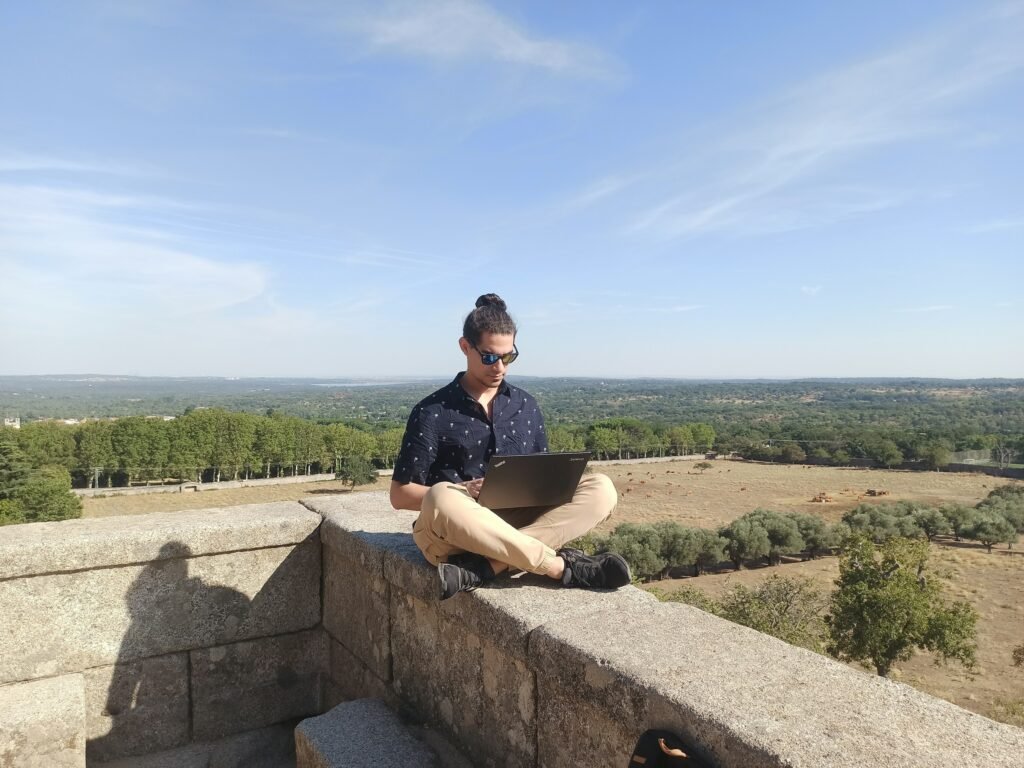
How to Build a Work Routine That Survives Time Zones and Travel Days
Creating a work routine that is adaptable to travel and time zone differences is key for sustaining productivity as a remote worker. Here are some actionable strategies to consider:
1. Set Core Working Hours
Identify the hours when you are most productive and set these as your core working hours. Maintain consistency in your schedule wherever possible, even if you need to occasionally adjust based on your location or clients’ needs. This stability will help you in managing your time effectively and balancing work with leisure activities.
2. Use Time Blocking Techniques
Carry out time blocking to organize your day into distinct segments dedicated to specific tasks. This technique not only helps maintain focus but also allows for flexibility. You can adjust your time blocks when you travel without sacrificing productivity, just ensure you prioritize essential tasks for the day.
3. Embrace Digital Tools
Leverage various digital tools to enhance your productivity. Task management apps like Trello or Asana can help you monitor your projects, while communication tools like Slack keep you connected with your team regardless of location. Integrating these platforms into your routine will streamline your workflow.
4. Schedule Regular Breaks
Incorporate regular breaks into your work routine to refresh your mind. Whether you’re working from a co-working space or your hotel room, stepping away from your screen can help combat fatigue, especially when working in a different time zone. Consider the Pomodoro Technique, where you work for 25 minutes and then take a 5-minute break, or longer breaks every hour to recharge your energy.
5. Prioritize Communication
Establish clear communication protocols with your team. Regular check-ins, whether through video calls or message updates, can prevent misunderstandings and ensure everyone is on the same page. Also, sharing your availability and time zone changes with your team helps set expectations for collaboration.
Tips on How to Start Working Remotely
Starting your remote work career requires preparation and adaptability. Here are various tips to get you on the right track:
1. Identify Your Skills and Job Opportunities
Before diving into remote work, evaluate your skills and the types of jobs available. Research industries that commonly offer remote positions, such as technology, marketing, or customer service. Tailoring your application to emphasize relevant skills will enhance your chances of landing a job.
2. Optimize Your Resume for Remote Positions
Your resume should reflect your capability to work independently and manage tasks remotely. Highlight previous remote work experience if applicable, and emphasize skills such as time management, communication, and technological proficiency.
Advanced knowledge of collaboration tools can also set you apart.
3. Build a Professional Network
Networking is essential in the remote work landscape. Attend online events, webinars, and local meet-ups to connect with like-minded professionals. Use platforms like LinkedIn to build relationships and explore potential job opportunities, your next remote position might arise from a conversation.
4. Create a Dedicated Workspace
Your work environment significantly impacts your productivity. Setting up a designated workspace at home, complete with ergonomic furniture and minimal distractions, will cultivate a more professional mindset.
If you’re traveling, find co-working spaces or cafes that offer conducive environments for work.
5. Emphasize Soft Skills
Employers look for candidates who not only have the technical ability to perform the job but also demonstrate strong soft skills. Emphasizing communication, adaptability, and a proactive approach can demonstrate your readiness for remote work.
Fostering these skills will improve your effectiveness in collaborating with others virtually.
6. Start Small
Finally, consider starting with remote freelance projects. This approach allows you to build your experience while gauging your compatibility with remote work. As you become comfortable with the dynamics of working remotely, transitioning to a full-time remote job will feel more natural.
Key Takeaways
- Starting your remote work journey involves understanding both the challenges and opportunities of working outside a traditional office.
- To maintain productivity while working remotely, establish core working hours and utilize time blocking techniques for task management.
- Reliable internet access is crucial for remote work; plan your workspaces carefully to avoid connectivity issues.
- Networking through online events and local meet-ups can significantly enhance your chances of landing remote job opportunities.
- When applying for remote positions, optimize your resume to reflect relevant skills, including strong communication and adaptability.