
Meta description: Exploring the best remote-work-friendly cities in the US? Here’s a warm, practical guide to help you choose where to live, work, and thrive, complete with neighborhood vibes, costs, coworking tips, and ethical travel advice.
You can feel it the moment you land in a city built for remote life: the Wi‑Fi just works, the barista knows what a “Zoom seat” means, and there’s a trail or beach or leafy park waiting when you close your laptop. The best remote-work-friendly cities in the US don’t just have fast internet, they fold creativity, affordability, community, and access to nature into your everyday routine. Below, you’ll find standouts like Austin, Denver, Portland, Asheville, Madison, St. Petersburg, and Santa Fe, plus a framework to help you choose your own best-fit city (and do it responsibly).
What Makes A City Remote-Work Friendly

Reliable Internet And Coworking Access
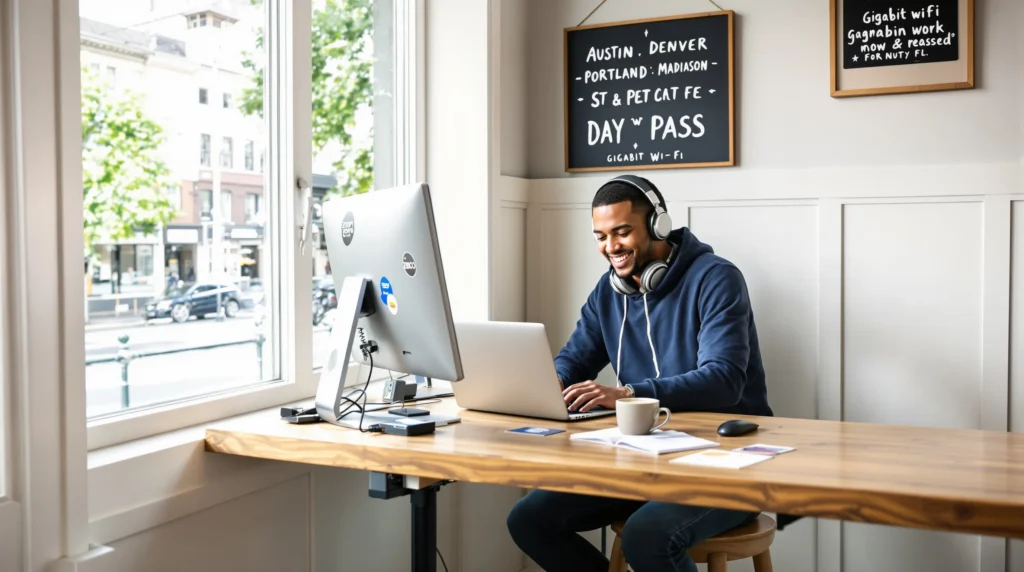
Your workday is only as good as your connection. Look for fiber (1 Gbps or better) and strong 5G coverage, plus a healthy mix of coworking spaces and laptop-friendly cafés. Austin boasts Google Fiber in many neighborhoods and a creative coworking scene (day passes often $20–$35). Seattle, Denver, and Raleigh have widespread high-speed internet and plenty of coworking options, with flexible punch cards if you’re hopping between cities.
Affordability And Housing Flexibility
Remote life needs flexibility, think month-to-month rentals, mid-stay discounts (14–30 nights), and sublets. Cities like Boise, Raleigh, and San Antonio shine for value: studios can dip into the $1,000–$1,500 range outside core downtowns, with modest premiums for central neighborhoods. If you’re testing a city for a month, look for furnished sublets, coliving spaces, or extended-stay hotels with weekly rates.
Lifestyle Vibe And Community
The right vibe fuels your creativity. Austin’s music-and-maker culture, Asheville’s wellness and craft scene, and St. Pete’s murals-and-markets energy make it easy to plug in. College towns like Madison and indie hubs like Portland skew community-forward, with meetups ranging from UX breakfasts to trail-run clubs. Scan local Slack groups, Meetup, and coworking bulletin boards to quickly find your people.
Walkability, Transit, And Flight Access
If you’re car-free (or car-light), prioritize walkable neighborhoods and reliable transit. Denver’s light rail simplifies airport runs: Portland’s streetcar and bike lanes make micro-commutes easy: Madison’s compact isthmus neighborhoods keep groceries, cafés, and lakes within a 10–15 minute pedal. If you travel for work, proximity to a major airport (or low-cost carriers) keeps budgets sane and trips stress-free.
Nature, Culture, And Wellness Balance
Burnout is real: balance is the antidote. Denver and Boise put trailheads and rivers minutes from your desk. Portland and Madison weave parks and water into daily life. Santa Fe’s high-desert light and galleries inspire slow mornings and focused afternoons. Pick a place where your off-hours, yoga, climbing gyms, beach walks, farmers’ markets, are effortless to access.
The Standouts: Cities That Hit The Sweet Spot
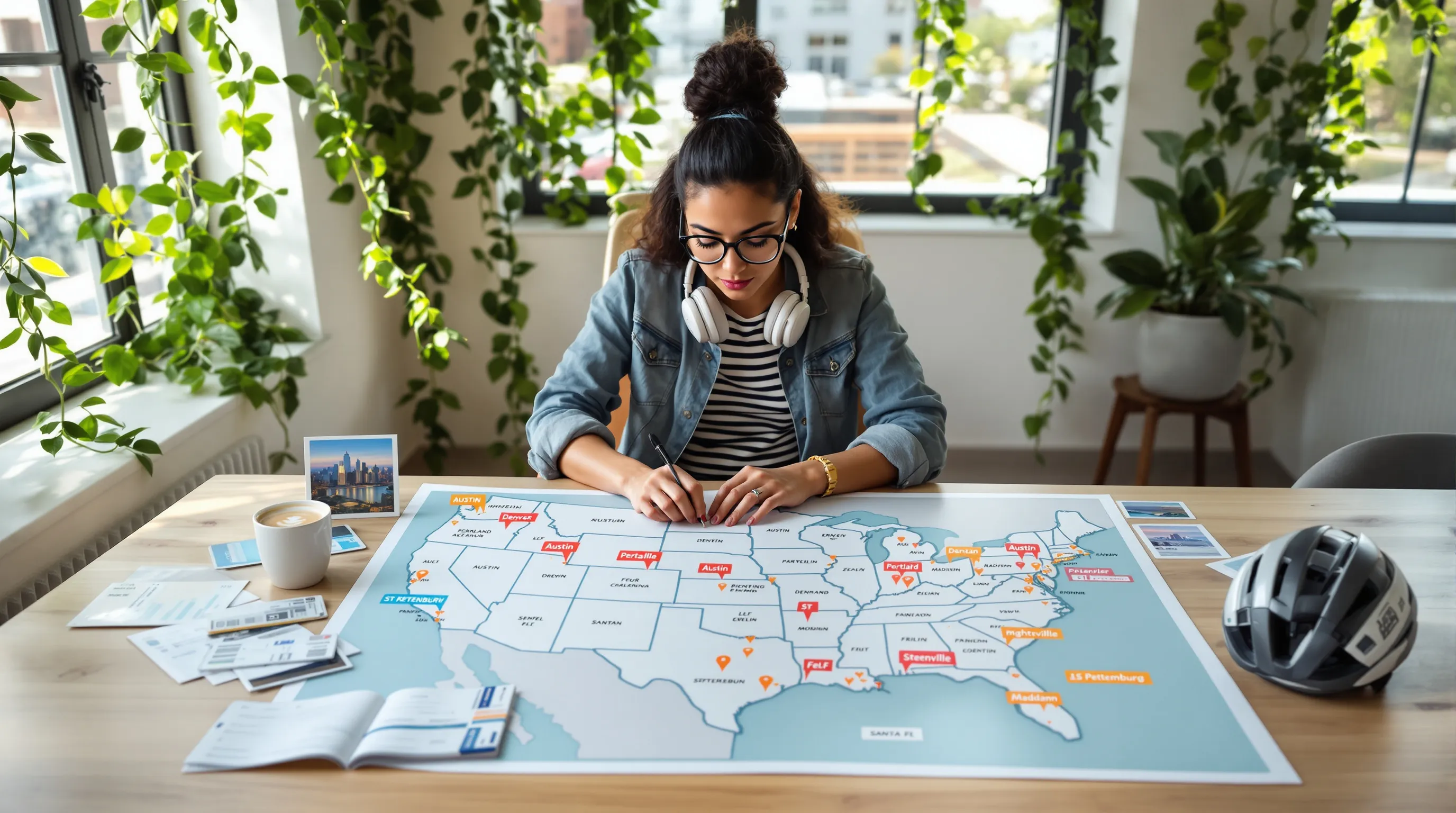
Austin, Texas, Creative Energy And Year-Round Events
Austin pairs serious bandwidth (Google Fiber, strong 5G) with a no-state-income-tax perk and a calendar that never sleeps, SXSW, ACL, and weekly live music. Work from Meanwhile Brewing’s shady tables or grab a day pass at The Commune or Capital Factory ($25–$35). Costs have climbed, but if you base in neighborhoods like North Loop or Mueller, you’ll find better value and quiet pockets close to the action.
Denver, Colorado, Outdoors Everyday, Strong Job Ecosystem
If you measure your week in trail days, Denver delivers: pre-work laps at Green Mountain, sunset walks along the Platte, weekend getaways to the Front Range. Tech and startup communities are active, and coworking runs $20–$35/day. Light rail to Union Station keeps airport runs painless. Winter brings snow, sure, but 300 days of sun keeps spirits high.
Portland, Oregon, Coffee Culture, Green Spaces, Indie Spirit
Portland is the land of third-wave cafés (Coava, Heart) where Wi‑Fi is strong and baristas respect laptop hours. Bike lanes are everywhere: so are parks, from Laurelhurst to Forest Park. The indie scene is alive, zines, ceramics, music, and the tech-creative crossover is real. Look at inner eastside neighborhoods (Buckman, Kerns) for walkability without downtown prices.
Asheville, North Carolina, Blue Ridge Calm With A Culinary Scene
Asheville offers small-city intimacy with big flavor: farm-to-table restaurants, craft breweries, and the Blue Ridge Parkway five minutes away. It’s perfect for focused work sprints and restorative days. Coworking options like Hatchworks and Mojo Coworking run roughly $20–$30/day. Summer is peak: book shoulder seasons for better housing rates.
Madison, Wisconsin, Smart, Bikeable, And Lakefront Living
Few cities feel as balanced as Madison: lakes Mendota and Monona on either side, bike paths slicing through downtown, and a lively university energy. Rent stays reasonable by coastal standards, and the farmers’ market scene is gold for slow-food fans. Winters are real, plan cozy cowork sessions and embrace the sauna culture.
St. Petersburg, Florida, Sunshine, Beaches, And Artsy Neighborhoods
St. Pete blends walkable arts districts (EDGE, Grand Central) with Gulf breezes and quick beach escapes. Remote workers gather at coffee shops with ample outdoor seating, and day passes at local coworks span $15–$25. If you’re wintering here, you’ll get exceptional weather, vibrant galleries, and lively night markets without Miami prices.
Santa Fe, New Mexico, Slow Living, Design, And High-Desert Light
Santa Fe’s magic is focus: crisp mornings, adobe textures, and gallery-lined streets that make inspiration feel inevitable. Living costs can be moderate compared to coastal hubs, and month-to-month casitas pop up frequently, especially off-peak. When your brain needs a reset, hit the Dale Ball Trails or soak in Ojo Caliente on a weekend.
Tip: Not on this list but often excellent fits, Raleigh (affordable, career-friendly), Boise (tight-knit and outdoorsy), and Seattle (robust tech, coffee, and parks). If you’re juggling frequent flights, place them on your shortlist.
How To Choose Your Best-Fit City

Match The City’s Pace To Your Work Rhythm
If your calendar is meeting-heavy, choose a city with bulletproof internet, quiet cafés, and coworking phone booths (Austin, Seattle, Raleigh). If you do deep work in long stretches, slower, nature-forward spots like Santa Fe or Boise help you stay in flow.
Balance Cost Of Living With Quality Of Life
Three numbers to check before committing: typical 1-bedroom rent, coworking costs, and transit or car expenses. A $1,400 apartment + $150 coworking + a bike can beat a $1,900 apartment near no coworking and mandatory car parking. Do the math holistically.
Consider Seasonality, Weather, And Allergies
Portland’s rainy season and Austin’s cedar pollen are very real. St. Pete sings in winter: summers are humid. Denver gets snow but also sunshine. Plan trial months in a city’s shoulder season to test your personal weather tolerance and find cheaper housing.
Look For Communities That Reflect Your Values
Want climate-minded neighbors? Portland and Madison lean green. Crave a music-and-maker community? Austin fits. Health and wellness first? Asheville and Santa Fe. Join online groups and attend two local meetups in week one, you’ll know quickly if it clicks.
Logistics And Money-Saving Tips For Remote Workers

Month-To-Month Housing: Sublets, Mid-Stay Rentals, And House-Sitting
Search furnished sublets on Facebook groups and housing platforms: negotiate a 15–25% discount for 28–35 day stays. Consider house-sitting to cut costs (great for pet lovers). Ask about desk setups, natural light, blackout curtains, and noise levels near your preferred work hours.
Coworking Hacks: Day Passes, Punch Cards, And Cafe Etiquette
Day passes ($15–$35) are perfect for testing vibes. Ask about punch cards for savings, and book meeting rooms for client calls. In cafés: buy a drink every 90 minutes, keep your footprint tidy, and avoid peak lunch rush if you need to camp. Noise-canceling headphones are your best friend.
Getting Around: Bikes, Transit, Rideshares, And Parking Realities
A reliable bike + good lights can replace a car in Portland or Madison. In Denver, light rail + occasional rideshares cover most needs. Austin driving is common: budget for parking or target walkable pockets like East Austin or Hyde Park. Always check if your rental includes secure bike storage or a guaranteed parking spot.
Taxes, Insurance, And Mail: The Boring Stuff That Matters
If you’re state-hopping, understand domicile and tax obligations, especially if you keep a primary state address. Health insurance networks vary by state: confirm coverage for urgent care where you’re headed. For mail, use a virtual mailbox and forward essentials monthly. Keep renters’ insurance active, it’s inexpensive peace of mind.
Responsible Remote Living

Be A Good Guest: Support Local, Tip Well, And Learn The Norms
Spend your money where it matters, independent cafés, local grocers, neighborhood restaurants. Tip generously, learn a few local customs, and say yes to community events. It’s not just polite: it’s how you actually belong.
Choose Neighborhoods Thoughtfully To Minimize Impact
If housing is tight, avoid short-term stays in buildings with local pushback. Opt for licensed rentals, coliving, or extended-stay hotels. Get to know your neighbors, keep noise down, and be mindful with parking. Remote freedom works best when it’s respectful.
Conclusion
The best remote-work-friendly cities in the US balance bandwidth with belonging. Whether you’re drawn to Austin’s creative charge, Denver’s trail-first routine, Portland’s coffee-and-parks rhythm, or Santa Fe’s quiet focus, your ideal base will meet your work needs and expand your life beyond the screen.
Travel Tips (quick hits)
- Start with a 4–6 week trial month in shoulder season for lower rent and fewer crowds.
- Use coworking punch cards and library study rooms to mix it up on a budget.
- Map your day: café near home for mornings, park or gym for a midday reset, coworking for calls.
- Keep a “move kit”: travel monitor, compact keyboard, laptop stand, and a small power strip.
- Join two meetups in week one, professional and personal, to accelerate community.
Say yes to the city that energizes your work and your weekends. That’s the sweet spot.