

We land in Mexico and it hits us immediately: the smell of grilled corn and lime in the air, the hum of Spanish and English overlapping, the colors so bright they feel almost edited. Mexico isn’t just a beach escape: it’s one of the most layered, creative, and surprisingly accessible countries we can explore from the U.S.
In this guide, we’re focusing on good places to visit in Mexico if we care about culture, food, design, and a bit of lifestyle experimentation, whether we’re on vacation, working remotely, or testing out slow travel. We’ll move region by region, with real‑world tips on where to stay, what to eat, and how to keep things low‑stress and intentional.
Why Mexico Belongs On Your Shortlist (And How To Choose Your Region
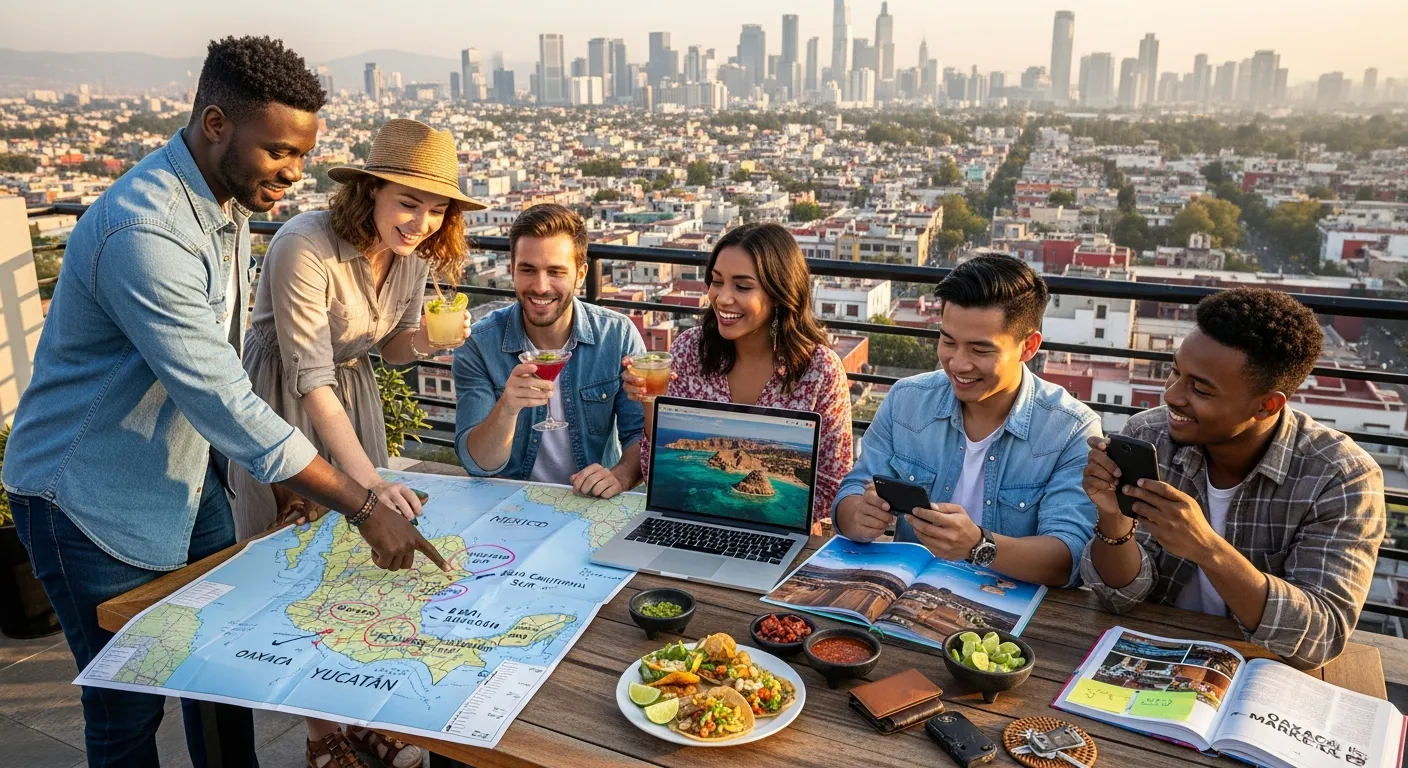
When we zoom out, Mexico is really a cluster of micro-worlds: high-altitude cities, jungle lowlands, desert-meets-ocean peninsulas, and sleepy colonial towns where time seems to slow down.
If we’re based in U.S. cities like New York, Austin, LA, Chicago, or Seattle, Mexico is one of the easiest international trips you can find. Often with direct flights under six hours and at prices that beat Europe most of the year.
So how do we decide which region fits us? A quick way to think about some of the best and most realistic good places to visit in Mexico:
- We’re food-obsessed and love big-city energy: Base in Mexico City.
- We want markets, mezcal, and craft culture: Go for Oaxaca City and the southern Pacific coast.
- We‘re drawn to turquoise water and ruins: Explore the Yucatán Peninsula (Cancún, Tulum, Isla Mujeres, Holbox, Chichén Itzá, cenotes).
- We dream of desert landscapes and whales: Look at Baja California Sur (Los Cabos, La Paz, Todos Santos).
- We crave cobblestones, rooftops, and slower days: Aim for the central highlands (San Miguel de Allende, San Cristóbal, Puerto Vallarta for a coastal twist).
We‘ll also see that Mexico works across budgets. Street tacos can be $1–2 USD, comfortable guesthouses can be $40–80 a night, and there are splurge-worthy boutique hotels if we want a few premium nights.
As we imagine ourselves here, it’s worth picturing real, diverse travelers: Black, white, Asian, Latinx, mixed-race, queer, Mexico’s major destinations are used to welcoming travelers from around the world, and we’ll see that mix reflected in cafés, co-working spaces, and on the beach.
Mexico City: Creative Capital Of Food, Design, And Neighborhood Life
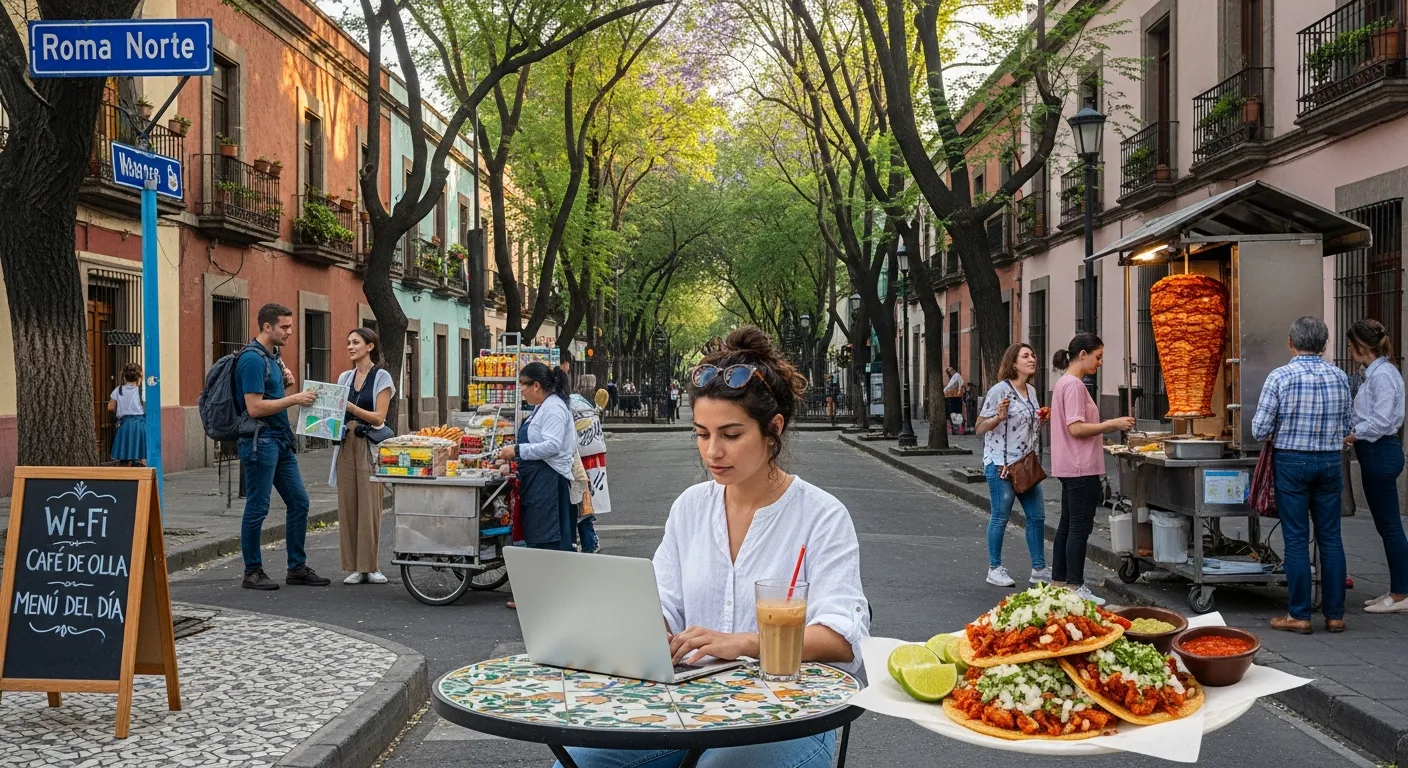
If we want one place that captures contemporary Mexico, historic, chaotic, creative, and endlessly delicious, it’s Mexico City (CDMX).
Why we go
We come for the food first. We’re talking:
- Street tacos (al pastor for ~$1–1.50 each)
- Long, late lunches at neighborhood fondas
- Experimental tasting menus in Condesa, Roma, and Polanco
But CDMX is more than eating. We get world-class museums like the Museo Frida Kahlo and the Museo Nacional de Antropología, leafy parks in Chapultepec, and neighborhoods that feel like small cities of their own.
Best neighborhoods for modern travelers
For most of us, the gentlest on-ramp is:
- Roma Norte & Condesa – Cafés with Wi-Fi, coworking spaces, tree-lined streets, and a mix of young Mexican creatives and international remote workers.
- Coyoacán – More traditional and residential: cobbled plazas, churro stands, and the blue Frida Kahlo house.
A solid daily budget here can range from $60–150 USD per person, depending on where we stay and how fancy we get with restaurants.
Don’t miss
- A taco crawl along the streets of Roma
- A Sunday in Bosque de Chapultepec (rowboats, museums, picnics)
- Day trip to Teotihuacán pyramids
If we want good places to visit in Mexico that blend culture, nightlife, and remote-working potential, Mexico City belongs near the top of our list.
Oaxaca And The Southern Pacific Coast: Culture, Mezcal, And Surf Vibes
When we think of Mexico’s cultural heart, Oaxaca City is usually what comes to mind: papel picado fluttering above narrow streets, markets overflowing with moles and chocolate, artisans selling textiles that take weeks to weave.
Oaxaca City: color, craft, and community
With a population around 250,000, Oaxaca City feels big enough to explore but small enough to feel grounded. We can walk almost everywhere in the historic center.
Highlights:
- Mercado 20 de Noviembre for grilled meats, tlayudas, and smoky air that clings to our clothes.
- Mezcal tastings in traditional palenques just outside town.
- Day trips to weaving villages like Teotitlán del Valle or the ruins of Monte Albán.
Comfortable guesthouses and boutique stays start around $45–90 USD per night, with street food and market meals still very affordable.
Southern Pacific coast: surf and slow mornings
From Oaxaca City, we can head to the Pacific coast, think Puerto Escondido, Mazunte, and Zipolite, for laid-back surf towns, yoga classes, and sunsets that pull everyone onto the beach at once.
Further north along the Pacific, Mazatlán (in Sinaloa) offers a different flavor: a historic old town with neoclassical architecture, a malecón (oceanfront promenade), and cheap, unforgettable seafood.
For culture-driven travelers, this region is one of the best, less commercial feeling answers to “good places to visit in Mexico,“ especially if we like mornings in markets and evenings with mezcal under the stars.
Yucatán Peninsula: Cenotes, Mayan History, And Beach Towns
The Yucatán Peninsula is the Mexico we see on postcards: blinding turquoise water, white-sand beaches, and jungle-cloaked ruins. It can be touristy, yes, but if we choose thoughtfully, we can still find magic.
The big hitters: Cancún, Tulum, and Isla Mujeres
- Cancún works well for first-timers and quick getaways. Direct flights are easy from many U.S. cities, and we can base ourselves in the Hotel Zone or downtown for cheaper stays. Expect beach clubs, excursions, and plenty of package-deal energy.
- Tulum has evolved from a quiet beach town into a full-on global hotspot. The Mayan ruins overlooking the sea are genuinely stunning, and there are great restaurants and boutique stays. But we’ll want to watch prices (they can rival U.S. cities now) and be mindful of overtourism.
- Isla Mujeres, just off Cancún, slows the pace down with golf carts instead of cars, snorkeling trips, and relaxed beach days. A good middle ground if we want accessible but calmer.
Going softer: Isla Holbox, cenotes, and ruins
- Isla Holbox is the quieter, less developed sibling to Cancún and Tulum. Dirt roads, pastel buildings, hammocks over the water, and a more local vibe. When we’re craving something that still feels authentic, Holbox is a strong choice.
- Cenotes – underground or semi-open freshwater pools sacred to the Maya – might be the most transformative experiences here. Spots like Dos Ojos and Caracol offer glass-clear water where sunbeams slice in like spotlights. Entrance fees usually run $5–20 USD, depending on how developed the cenote is.
- Chichén Itzá, one of the Seven Wonders of the World and a UNESCO World Heritage Site, is a must-see. Going early (doors open around 8 a.m.) helps us beat the crowds and mid-day heat.
The Yucatán is easily one of the best regions if we’re after classic vacation vibes plus deep, visible history, and it’s packed with good places to visit in Mexico for both first-timers and repeat travelers.
Baja California Sur And The Sea Of Cortez: Desert Meets Ocean
On the opposite side of the country, Baja California Sur feels like a different planet: cactus-dotted deserts running straight into the deep blues of the Sea of Cortez.
Los Cabos and beyond
Most of us will fly into Los Cabos, which includes Cabo San Lucas and San José del Cabo. This area is famous for its luxury resorts, but we can absolutely do it on a more moderate budget by staying in guesthouses or Airbnbs away from the main strip.
Activities to consider:
- Whale-watching (roughly December–April) when gray and humpback whales migrate through.
- Boat trips to El Arco, the famous rock arch where the Pacific meets the Sea of Cortez.
- Surf lessons on nearby beaches.
Where it gets really special
For a slower pace, we can base ourselves in:
- La Paz – a more local-feeling city with a gorgeous malecón and access to Isla Espíritu Santo, where we can kayak or snorkel in impossibly clear water.
- Todos Santos – an artsy town in the desert with galleries, farm-to-table restaurants, and stylish but low-key boutique hotels.
Baja is perfect when we want our good places to visit in Mexico to include both nature and decent remote work conditions: we can find coworking in places like La Paz and reliable café Wi-Fi in Todos Santos.
Central Highlands: Colorful Colonial Towns And Slow-Travel Living
If we’re craving cobblestones, rooftop sunsets, and long, meandering conversations over wine or mezcal, the central highlands are where we’ll probably fall in love.
San Miguel de Allende
San Miguel de Allende is a UNESCO World Heritage Site, and it shows. Colorful facades, wrought-iron balconies, and the pink spires of Parroquia de San Miguel Arcángel rising over the central square.
We can:
- Spend afternoons in galleries and studios.
- Sip cocktails at rooftop bars overlooking the Jardín.
- Take day trips to nearby hot springs.
It’s popular with expats and retirees, but more and more younger remote workers are testing it as a slow-travel base.
Puerto Vallarta & San Cristóbal de las Casas
- Puerto Vallarta blends a colonial center and beach life. In Zona Romántica, we’ll find colorful streets, galleries, and a very LGBTQIA+-friendly scene. Outdoor lovers get zip-lining, boat trips in Banderas Bay, and diving or snorkeling.
- San Cristóbal de las Casas (in Chiapas) offers a more alternative, mountain-town feel: cool evenings, cobbled streets, Indigenous markets, and a strong backpacker-and-activist community. It’s a great spot if we’re interested in Indigenous cultures and social issues.
In these highland towns, days tend to stretch. It’s easier to slip into a slower rhythm, set up our laptops in a café, and imagine what a few months here might look like. For many of us, this region quietly becomes our personal answer to the question of the best places to visit in Mexico.
Practical Tips For Planning A Thoughtful, Low-Stress Mexico Trip
A trip to Mexico doesn’t have to feel like a logistical puzzle. A bit of upfront planning lets us focus on connection instead of constant problem-solving.
Choosing when to go
- Shoulder seasons (roughly April–early June and September–early November) often mean fewer crowds and better prices, especially in the Yucatán and beach areas.
- Consider rainy season (varies by region) not as a dealbreaker but as a factor: many days alternate between sun and quick afternoon storms.
Budget and money
- ATMs are widely available in cities and major towns: we’ll usually get the best rate withdrawing pesos instead of exchanging cash.
- Street food can keep us full for $5–10 USD per meal: mid-range sit-down meals might be $10–25 USD per person.
Moving around
- For city-to-city travel, buses (ADO and similar companies) are comfortable and safe for most routes.
- Renting a car works well in regions like Yucatán and Baja California Sur, especially for cenote-hopping or exploring lesser-known beaches.
Staying thoughtful and respectful
- Learn a few basic Spanish phrases: it goes a long way, especially in markets and local eateries.
- Be aware of overtourism hotspots (like parts of Tulum) and support locally owned businesses when we can.
- When we take photos, especially of people in markets or Indigenous communities, asking permission first is non-negotiable.
Traveling this way, we’re not just hunting for good places to visit in Mexico: we’re building real, reciprocal experiences in the places we pass through.
Travel Tips
- Start by picking a region that matches our current season of life: city buzz, beach, nature, or slow-town vibes.
- For culture-forward trips, prioritize Mexico City, Oaxaca, San Miguel de Allende, and San Cristóbal de las Casas.
- For water, ruins, and classic “vacation” feels, look to the Yucatán Peninsula and islands like Isla Mujeres and Isla Holbox.
- For desert landscapes and whale encounters, consider Los Cabos, La Paz, and Todos Santos in Baja California Sur.
- Travel in shoulder seasons and support local businesses to keep our impact positive and our experiences richer.
If Mexico’s been sitting on our “someday” list, this is our nudge. Pick a region, book the flight, and let the rest unfold one market stall, one plaza, one sunset at a time.
Key Takeaways
- Mexico offers diverse micro-regions—from high-altitude cities and jungle lowlands to desert coasts and colonial highlands—so choose good places to visit in Mexico based on whether you want city buzz, beach time, nature, or slow-town living.
- For culture, food, and design-driven travel, Mexico City, Oaxaca City, San Miguel de Allende, and San Cristóbal de las Casas stand out with walkable neighborhoods, strong café and coworking scenes, and rich local traditions.
- If you want turquoise water, Mayan ruins, and cenotes, focus on the Yucatán Peninsula, including Cancún, Tulum, Isla Mujeres, Isla Holbox, and landmark sites like Chichén Itzá.
- Baja California Sur (Los Cabos, La Paz, Todos Santos) is ideal when your list of good places to visit in Mexico includes whale-watching, desert-meets-ocean landscapes, and smaller cities that still support remote work.
- To keep Mexico trips low-stress and thoughtful, travel in shoulder seasons, use buses or rental cars strategically, learn basic Spanish, and prioritize locally owned businesses while being mindful of overtourism and consent around photography.