
When we talk about the best places to see in Mexico, we’re not just chasing picture-perfect beaches.
We’re chasing that feeling of stepping into a new neighborhood, smelling tortillas on a comal, hearing Spanish and Indigenous languages mingling in the streets, and realizing we’ve barely scratched the surface.
Mexico is huge, layered, and way more diverse than the resort ads suggest. Desert cliffs drop into teal water in Baja California Sur. Mist hangs over pine forests in Chiapas. Mexico City feels like a mash-up of Brooklyn, Berlin, and its own rich history. And in between, small towns, mercados, mezcal bars, family-run guesthouses, and coworking spaces make it surprisingly easy to mix exploration with remote work.
Below, we’re walking through the stand-out regions and cities we’d recommend to culture-driven travelers, with enough detail that you can actually start mapping out your route, whether you’re a budget-focused backpacker or a laptop-toting creative ready for a longer stay.
How To Choose Where To Go In Mexico
Match Your Trip To Your Travel Style
Before we throw pins on the map, it helps to be honest about how we like to travel. Mexico can meet us where we are, the trick is aligning our destinations.
Ask yourself:
- Are we more city, nature, or coast?
- City lovers: Mexico City, Guadalajara, Mérida, Oaxaca City.
- Nature & mountains: Chiapas, central highlands.
- Beaches: Yucatán Peninsula, Baja California Sur, Pacific Coast.
- Do we want slow, rooted travel or a highlight reel?
- Slow: Base in 1–2 cities (e.g., Oaxaca City + Puerto Escondido, or CDMX + Puebla).
- Highlights: 2–3 regions over 10–14 days.
- What’s the focus right now?
- Food + nightlife: Mexico City, Guadalajara, Oaxaca City.
- History + ruins: Yucatán (Chichén Itzá, Ek‘ Balam), Chiapas (Palenque), CDMX (Teotihuacán).
- Beaches + swimming: Baja (La Paz, Todos Santos), Yucatán (Isla Mujeres, Holbox, quieter parts of Riviera Maya).
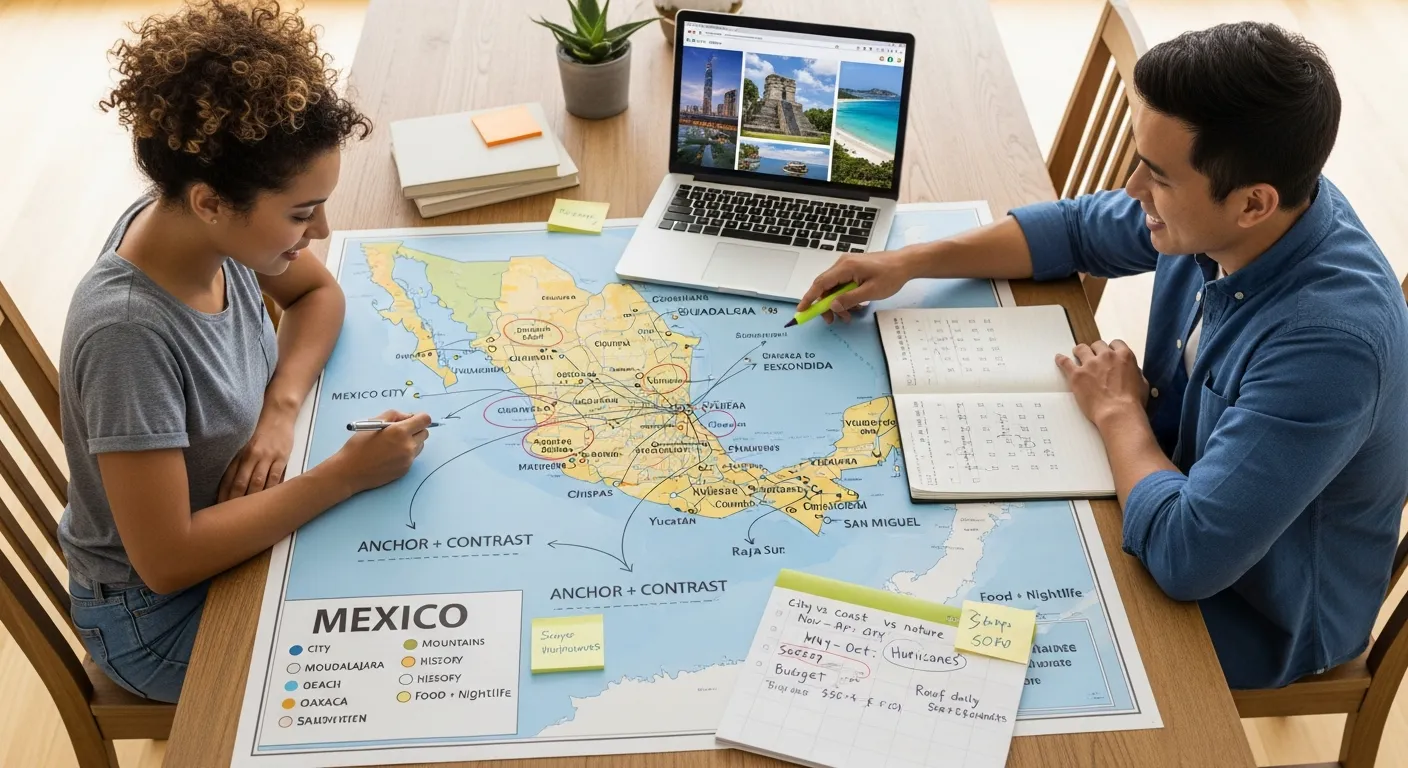
We also like to think in “anchor” and “contrast” stops: one big, energetic city (Mexico City, Guadalajara, Mérida) + one slower, smaller place (San Cristóbal de las Casas, Todos Santos, Valladolid) to decompress.
Safety, Seasonality, And Budget At A Glance
Safety:
Mexico is nuanced. Many of the key places in this guide, Mexico City’s central neighborhoods, Oaxaca City, Mérida, Valladolid, San Miguel de Allende, La Paz, Todos Santos, San Cristóbal, are popular with international travelers and digital nomads.
We keep it simple:
- Stay in well-reviewed areas and guesthouses.
- Use Uber or registered taxis at night in big cities.
- Avoid driving long rural stretches after dark.
- Ask locals and hosts about current, hyper-local advice.
Seasonality:
- Dry season: roughly November–April – easier weather in most places, cooler nights in the highlands.
- Rainy season: roughly May–October – greener landscapes, afternoon storms, fewer crowds (great for Chiapas and central Mexico).
- Hurricane risk: late summer/fall on Caribbean and Pacific coasts: we keep an eye on forecasts.
If we want fewer crowds and better prices in popular places like Tulum, Isla Mujeres, or Oaxaca, we target shoulder seasons: late October–November (around but not during Día de Muertos) or late February–April.
Budget:
Mexico can flex from backpacker to boutique:
- Daily budget (per person, excluding flights):
- Budget: $40–60 USD (hostels, street food, buses).
- Mid-range: $70–120 USD (nice guesthouses, a mix of street food and restaurants, some tours).
- Comfort: $150+ USD (boutique hotels, frequent taxis, activities).
Big cities like Mexico City and resort zones like Riviera Maya skew pricier: Chiapas and smaller colonial towns often feel more affordable.
Mexico City: Creative Capital Of Food, Art, And Nightlife
If we had to choose one place in Mexico that encapsulates food, art, history, and modern creative energy, Mexico City (CDMX) would be it. It’s chaotic in the best way, but also surprisingly livable if we base ourselves in the right neighborhoods.
Neighborhoods To Base Yourself (And Why They Matter)
For most travelers, these are the sweet spots:
- Roma Norte & Condesa – Think leafy, walkable streets, Art Deco buildings, third-wave coffee, mezcal bars, and parks full of dogs and joggers. Ideal if we’re remote-working by day and bar-hopping by night.
- Juárez – A little grittier, very cool. Great restaurants and bars, close to Reforma. Often a bit cheaper than Roma/Condesa.
- Centro Histórico – For us history nerds. Colonial architecture, major museums, and street life are intense and fascinating. We usually stay here for 2–3 nights if it’s our first visit.
Expect a mixed, international crowd, we’ll see Mexican families, older couples, groups of Black, white, Asian, and Latinx friends, remote workers, and artists all sharing the same sidewalks.
Can’t-Miss Cultural Spots, Markets, And Food Experiences
A short list, so we don’t get overwhelmed:
- Museo Nacional de Antropología – Half a day easily: the best overview of Mexico’s pre-Hispanic cultures.
- Templo Mayor & Zócalo – Aztec ruins beside the cathedral: we see how ancient and modern Mexico intertwine.
- Casa Azul (Frida Kahlo Museum) in Coyoacán – Reserve tickets in advance: combine with a wander around the plaza and mercados.
Markets and food:
- Mercado de San Juan – More gourmet: great for trying unusual ingredients.
- Mercado Roma – Trendy food hall, pricier, but fun with friends.
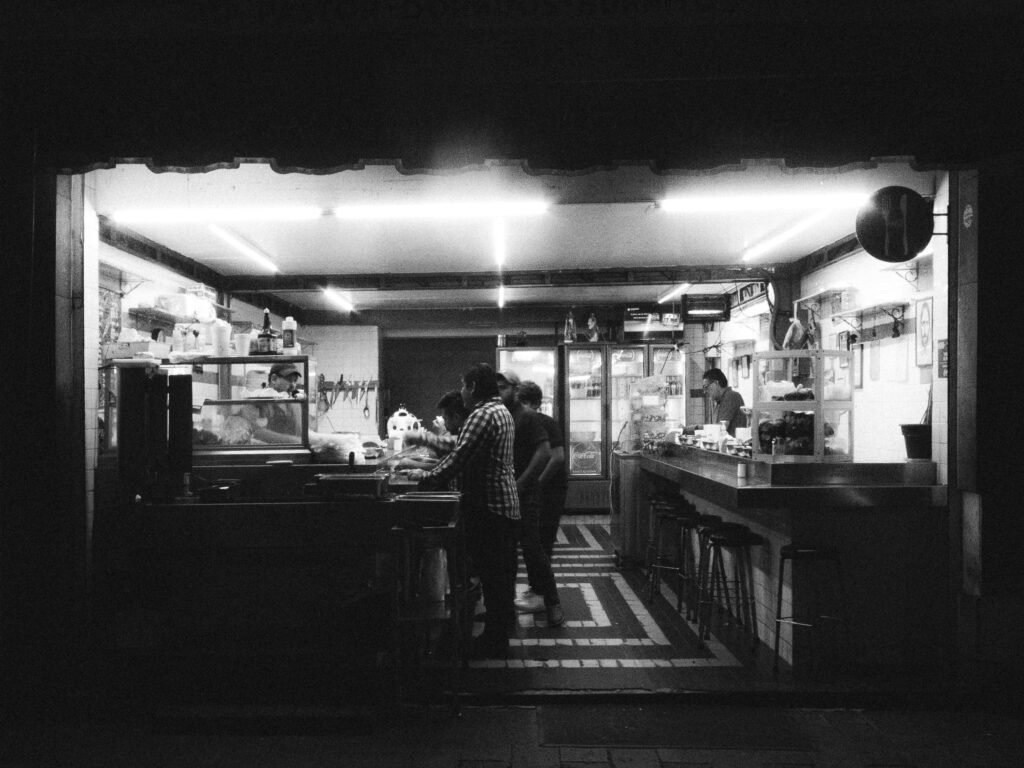
- Street tacos – Try tacos al pastor, suadero, and quesadillas without cheese (in CDMX, quesadillas often default to no cheese). Expect $1–2 USD per taco at local stands.
Nightlife ranges from laid-back mezcalerías to clubs with live cumbia and electronic music. We keep valuables minimal, use Uber at night, and it feels manageable.
Remote-Work Friendly Cafés And Coworking Hubs
If we’re bringing our laptops, CDMX is one of the best places to see in Mexico and actually get work done:
- Blend Station (Condesa) – Strong Wi-Fi, plenty of outlets, a lot of laptop folks.
- Cicatriz (Juárez) – Excellent coffee and food: good for shorter work sprints.
- Coworkings: WeWork, Impact Hub, Assignments are all popular and easy to book by the day or week.
Most cafés expect at least one drink/food purchase every couple of hours if we’re camping out with laptops, fair trade, honestly.
Oaxaca City And Surrounds: Crafts, Cuisine, And Slow Travel
Oaxaca City feels like it was built for slow mornings and long, wandering afternoons. Colorful streets, heavy stone churches, smoky mezcal, and some of the best food in the country make this an easy place to stay longer than planned.
Street Food, Mezcal, And Local Markets
Oaxacan cuisine is reason enough to come:
- Tlayudas – Giant, crispy tortillas piled with beans, cabbage, avocado, and meat or cheese. Usually $3–5 USD.
- Mole – Complex sauces (there are famously seven moles) we’ll find in traditional restaurants and at fondas in the markets.
- Memelas, tamales oaxaqueños, and chocolate de agua – Everyday staples worth seeking out.
For markets, we love:
- Mercado 20 de Noviembre – The “smoke corridor” full of meat stalls is legendary: we choose a stand, point at cuts, and they grill everything on the spot.
- Mercado Benito Juárez – Fruits, breads, souvenirs, everyday life.
Mezcal is everywhere, but we look for small mezcalerías that highlight family producers rather than all-inclusive party shots. Many offer guided tastings that make it easier to appreciate the craft (and not overdo it).
Day Trips For Ruins, Villages, And Nature
What makes Oaxaca City one of our favorite places to see in Mexico is how easily we can hop between culture and nature.
- Monte Albán – Pre-Hispanic ruins perched above the city, with sweeping valley views. Go early for cooler temps and fewer crowds.
- Teotitlán del Valle – A weaving village where we can see natural dyes, traditional looms, and buy textiles directly from artisans.
- Hierve el Agua – Petrified waterfalls and mineral pools. Some tours rush: we prefer smaller groups or hiring a driver with friends to go early.
We try to book tours with local, community-based operators whose money actually stays in the villages we’re visiting.
Yucatán Peninsula: Cenotes, Ruins, And Beach Towns Beyond Resorts
The Yucatán Peninsula is probably what most of our friends picture when they think about Mexico: turquoise water, palm trees, and Mayan ruins framed by jungle. But beyond the big all-inclusive resorts, there’s a quieter, more interesting side.
Mérida And Valladolid: Colonial Cities With Soul
Mérida (in Yucatán state) is a warm, lively city with a strong cultural calendar and a big expat and digital nomad community.
- Evenings in Plaza Grande often bring live music and dancing.
- Great base for day trips to cenotes and ruins while enjoying good restaurants and cafés.
Valladolid is smaller and more laid-back. It’s one of our favorite hubs because:
- It’s close to Chichén Itzá (go right at opening) and Ek‘ Balam (less crowded, very atmospheric).
- There are cenotes just a short bike or taxi ride away (Cenote Zaci, Oxman, and others).
- It feels local: families in the plaza at night, street food stalls, and colorful facades.
Cenotes, Mayan Sites, And Less-Crowded Beaches
Cenotes, those clear, freshwater sinkholes the Mayans considered sacred, are a highlight of any Yucatán trip. We:
- Bring cash, as many smaller cenotes don’t take cards.
- Arrive early or late to avoid midday crowds and harsh light.
- Rinse off sunscreen before swimming: it’s better for the delicate ecosystems.
For beaches beyond the main hotel strips:
- Isla Mujeres – Easy ferry from Cancún but more relaxed, with walkable streets and soft, swimmable beaches like Playa Norte.
- Isla Holbox – Sand streets, no high-rises, sunsets that look unreal. Wi-Fi can be patchy, but for a digital detox, it’s perfect.
- Puerto Morelos or quieter stretches near Tulum and Mahahual – Slower pace than Cancún, with small guesthouses and beach bars.
This whole region is one of the classic places to see in Mexico for first-timers, but we can still experience it in a low-key, more local way by picking our bases carefully and traveling slightly off-season.
Baja California Sur: Desert-Meets-Sea Adventures
If we’re drawn to wide-open landscapes, road trips, and marine life, Baja California Sur hits a different note than the rest of Mexico. It’s cacti, cliffs, and clear water, more Patagonia-meets-Mediterranean than tropical jungle.
La Paz, Todos Santos, And Nearby Beach Escapes
La Paz is the low-key capital and a great base.
- Seafront malecón perfect for sunset walks and people-watching.
- Access to stunning beaches like Playa Balandra and Playa Tecolote (arrive early: visitor caps sometimes apply to protect the environment).
Todos Santos, about an hour and a half from La Paz, is an officially recognized “Pueblo Mágico“ with art galleries, surfers, and a bohemian vibe.
- Great for boutique stays, yoga retreats, and slower mornings.
- Nearby beaches offer good surf and coastal hikes, but not all are swimmable, so we check local advice.
Between and beyond, we’ll find smaller coves and fishing villages that reward those of us with a car and flexible plans.
Whale Watching, Snorkeling, And Road-Trip Ideas
Baja is all about the sea:
- Whale watching – From roughly January–March, gray whales migrate here: ethical tours prioritize distance and animal welfare.
- Snorkeling & diving – Trips to Isla Espíritu Santo often include snorkeling with sea lions and exploring dramatic rock formations.
A classic route is to rent a car (comfortable for two or three of us) and road-trip between La Paz, Todos Santos, and possibly Los Cabos, skipping the party scene in favor of wild beaches and mountain-backed views. We avoid driving at night because of livestock on the road and limited lighting.
Chiapas: Lush Landscapes, Indigenous Culture, And Coffee Country
For travelers who want waterfalls and jungle alongside deep Indigenous history, Chiapas is one of the most compelling places to see in Mexico.
San Cristóbal De Las Casas As A Base
San Cristóbal de las Casas sits high in the mountains, with cobblestone streets, cool nights, and a strong presence of Indigenous Tzotzil and Tzeltal communities.
- Cafés and small coworking spaces make it workable for remote professionals (Wi-Fi can be slower, but fine for most tasks).
- Markets sell textiles, amber, and crafts directly from local artisans.
- The town attracts a mix of Mexican and international travelers, you’ll see Black, white, Asian, and Latinx visitors all bundled up in sweaters once the sun goes down.
We stay mindful that this is a living city, not just a bohemian backdrop, and try to support businesses that are clearly community-run.
Waterfalls, Ruins, And Responsible Community Visits
From San Cristóbal or as part of a broader Chiapas trip, we can reach:
- Palenque – Jungle-framed Mayan ruins, often misty in the morning. Many travelers stay overnight nearby to explore at a calmer pace.
- Cascadas de Agua Azul and Misol-Ha – Striking waterfalls: conditions vary with rain, so we check locally.
- Cañón del Sumidero – Dramatic canyon gorge explored by boat from Chiapa de Corzo.
Some tours include stops in Indigenous villages. We look for operators that emphasize consent, context, and fair compensation, avoid intrusive photography, and remember we’re visitors in someone’s home, not in an open-air museum.
Guadalajara And Surrounds: Creative Energy And Tequila Country
If Mexico City feels a bit intense, Guadalajara offers a slightly more relaxed, but still very cultural, big-city option.
It’s the birthplace of mariachi and close to the blue agave fields where tequila comes from. The city has a growing creative and tech scene, plus neighborhoods full of cafés and bars where remote workers can settle in.
Tlaquepaque, Chapala, And Nearby Towns
Within an hour or so of Guadalajara, we can tap into a very different rhythm:
- Tlaquepaque – Once its own town, now largely integrated into the metro area. It’s known for galleries, artisan shops, and colonial streets: perfect for a half or full day.
- Lake Chapala & Ajijic – Lakeside towns popular with retirees and weekenders. Slower pace, waterfront walks, and a more small-town feel.
Further out, the town of Tequila is surrounded by agave fields and distilleries where we can actually learn the production process (and, yes, taste responsibly).
Art, Music, And Food Scenes Worth Planning Around
Guadalajara’s calendar is full of festivals, film, book fairs, music events, that can add an extra layer to our trip if we time it right.
In the city itself, we like to split time between:
- Centro Histórico – Classic plazas, murals by José Clemente Orozco, historic buildings.
- Colonia Americana – Trendy cafés, bars, and galleries: often voted one of the coolest neighborhoods in the world.
Food-wise, we’re here for tortas ahogadas (sandwiches drowned in spicy sauce), birria, and a growing number of plant-forward spots if we’re traveling with vegetarians or vegans.
Planning Your Mexico Trip With Intention
After seeing how many incredible places to see in Mexico there are, it’s tempting to try to do everything. But the most meaningful trips usually come from doing less, more deeply.
Balancing Popular Highlights With Hidden Corners
We like to build trips with layers:
- One or two anchor cities (Mexico City, Oaxaca City, Mérida, Guadalajara).
- One or two nature or beach escapes (Baja, Yucatán beaches, Chiapas, small highland towns).
- A mix of big-name sights (Chichén Itzá, Monte Albán, Frida Kahlo Museum) and unscripted time to wander markets, sit in plazas, and talk to people.
Instead of hopping every 2 days, we aim for at least 4–5 nights per base when possible. It makes remote work easier, cuts down on transit, and lets us actually get to know a place beyond our camera roll.
Staying Respectful, Sustainable, And Connected To Locals
A few small choices add up:
- Language: Even basic Spanish (“buenos días,“ “por favor,“ “gracias”) goes a long way in building rapport.
- Local spending: We prioritize markets, street stalls, family-run hotels, and local guides over big international chains.
- Culture and dress: We pay attention to how locals dress in more conservative or Indigenous communities and follow suit.
- Environment: Refill a reusable bottle where possible, go easy on plastic, and choose responsible tour operators, especially for wildlife and cenote visits.
When we take photos featuring people, whether they’re white, Black, Asian, or Indigenous Mexicans, we ask permission first. It’s a tiny act of respect that keeps travel feeling like an exchange between humans, not just content creation.
Conclusion
Mexico isn’t one destination: it’s a whole ecosystem of cultures, landscapes, and lifestyles. From the buzz of Mexico City to the calm of Valladolid, the cliffs of Baja, the flavors of Oaxaca, the misty hills of Chiapas, and the agave fields near Guadalajara, there are countless places to see in Mexico that can shift how we think about travel, and about ourselves.
We don’t have to see it all at once. We just have to choose a few places that match who we are right now: curious, open, and willing to learn.
Key Takeaways & Travel Tips
- Start with 1–2 anchor bases (like Mexico City + Oaxaca or Mérida + Valladolid) and add one nature or beach escape.
- Travel in shoulder seasons (late Oct–Nov, Feb–Apr) for fewer crowds and better prices.
- Mix must-see sights (Chichén Itzá, Monte Albán, Frida Museum) with unplanned time in plazas and markets.
- Plan for $40–120+ USD per person per day, depending on comfort level.
- Use Uber or registered taxis at night in big cities, avoid long rural drives after dark, and ask locals for up-to-date safety advice.
- Support local businesses and Indigenous communities with your spending and your respect, learn a few Spanish phrases, ask before taking photos, and choose ethical tours.
But we design it, a thoughtful trip through Mexico has a way of staying with us long after we’ve unpacked our bags.