
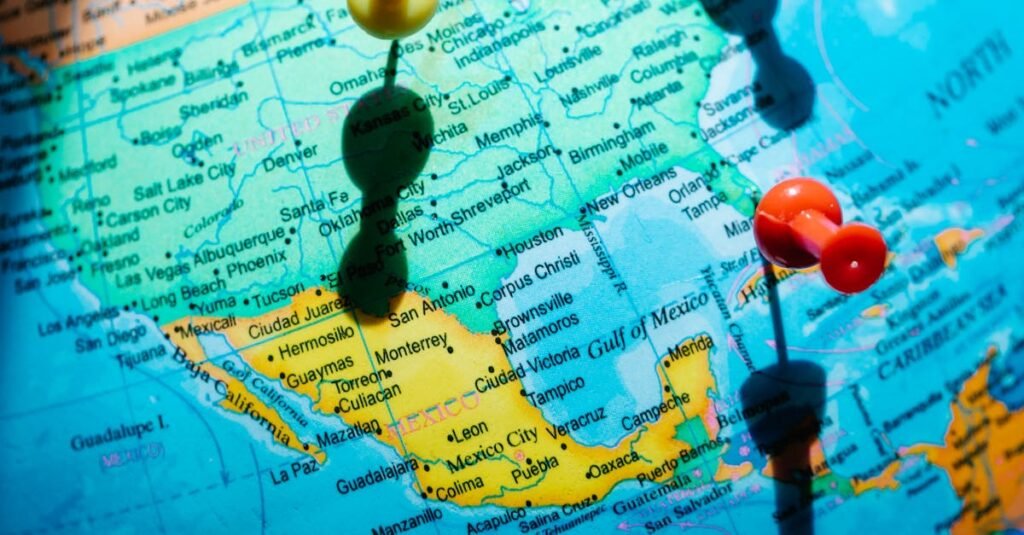
If there’s one country that keeps pulling us back, it’s Mexico. Every trip feels like a new chapter: one week we’re sipping mezcal in a tiny Zapotec village, the next we’re working from a café in Mexico City, then watching whales breach at sunrise in Baja.
Mexico isn’t just beaches and resorts. It’s one of the most diverse, creative, and accessible countries you can explore from the US. The real challenge isn’t whether to go, it’s choosing where to go.
In this guide, we’re walking through the best places to go in Mexico for culture, coastlines, and creative travelers like us: people who want good Wi‑Fi and good street food, who care about local culture as much as they care about sunsets. Let’s map out your next trip.
How To Choose Where To Go In Mexico
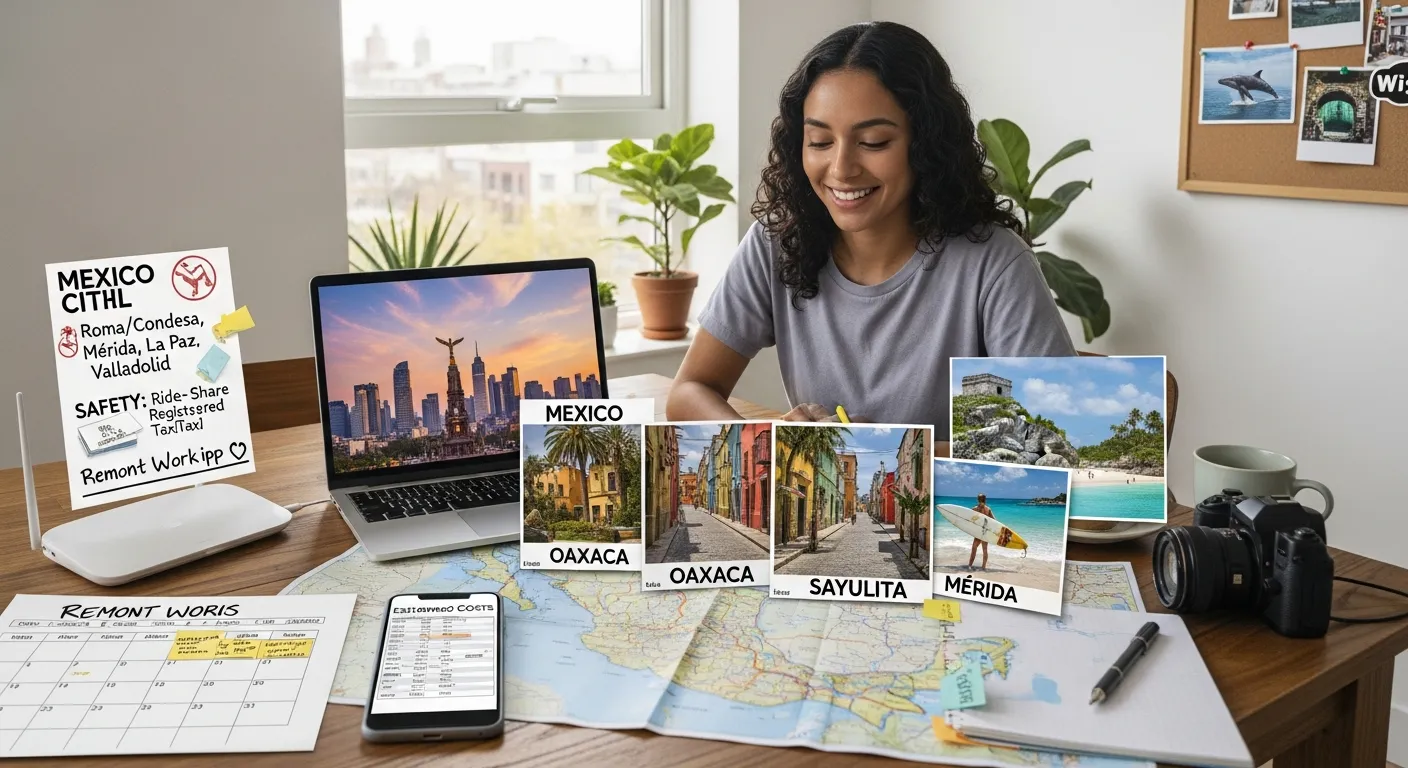
Choosing the best places to go in Mexico starts with one question: What kind of trip do we actually want? Culture-deep dive? Surf and tacos? Laptop by day, mezcal by night? Once we’re honest about that, the map gets a lot clearer.
Match Your Trip To Your Travel Style
Here’s a quick way we like to think about it:
- Culture + food + creative energy → Mexico City, Oaxaca City, Guadalajara
- Boho beach towns + surf → Puerto Escondido, Sayulita, San Pancho, Mazunte
- Ruins + cenotes + turquoise water → Tulum, Valladolid, Mérida, Riviera Maya
- Desert-meets-sea adventure → La Paz, Todos Santos, Baja California Sur
- Slow travel on a budget → Oaxaca, Mérida, San Cristóbal de las Casas (if you extend your trip south)
If you love art galleries and coffee shops, we’d start in Mexico City or Guadalajara. If your perfect day is barefoot in the sand with a surfboard and a fish taco, aim for Puerto Escondido or Sayulita. And if you want to mix Caribbean blues with Mayan history, the Yucatán Peninsula is your playground.
Safety, Seasons, And Budget Basics
Mexico is huge and nuanced. We don’t ignore safety, but we also don’t let headlines write the whole story.
Safety:
- Stick to established neighborhoods and well-known routes.
- Use registered taxis or ride-share apps in big cities.
- Ask your hotel or host which areas to avoid at night.
We’ve felt totally comfortable in places like Roma/Condesa in Mexico City, central Oaxaca, La Paz, Valladolid, and Mérida, walking back after dinner, cameras in our bags, just staying aware like we would in New York or Chicago.
Best time to go:
- November–April: Dry season, generally the sweet spot for most regions.
- June–October: Hotter, more humid, and hurricane risk on both coasts (especially Sept–Oct).
- Winter on the Pacific and in Baja brings cooler nights and prime whale-watching season.
Budget notes:
- City tacos: ~$1–2 USD each: sit-down dinner with drinks: $12–25 per person depending on the spot.
- Midrange hotels or nice guesthouses: $50–120/night in many places, more in hotspots like Tulum.
- Slower, inland towns like San Cristóbal de las Casas and Oaxaca often feel noticeably cheaper than the Caribbean or “Instagram-famous” beach towns.
Remote Work And Wi‑Fi Considerations
If we’re bringing our laptops, we plan around connectivity:
- Excellent for remote work: Mexico City, Guadalajara, Mérida, Oaxaca City, Puerto Vallarta.
- Generally good but can vary: Sayulita, San Pancho, Puerto Escondido, La Paz, Todos Santos.
Mexico City and Guadalajara have full-blown coworking scenes, WeWork-style spaces, indie hubs, and laptop-friendly cafés with strong Wi‑Fi. On the coast, we’ve had solid enough connection for Zoom calls in places like Puerto Vallarta and Sayulita, but we always download what we can and expect the occasional outage. That’s part of the charm (…most days).
Mexico City: Creative Energy In A Megacity
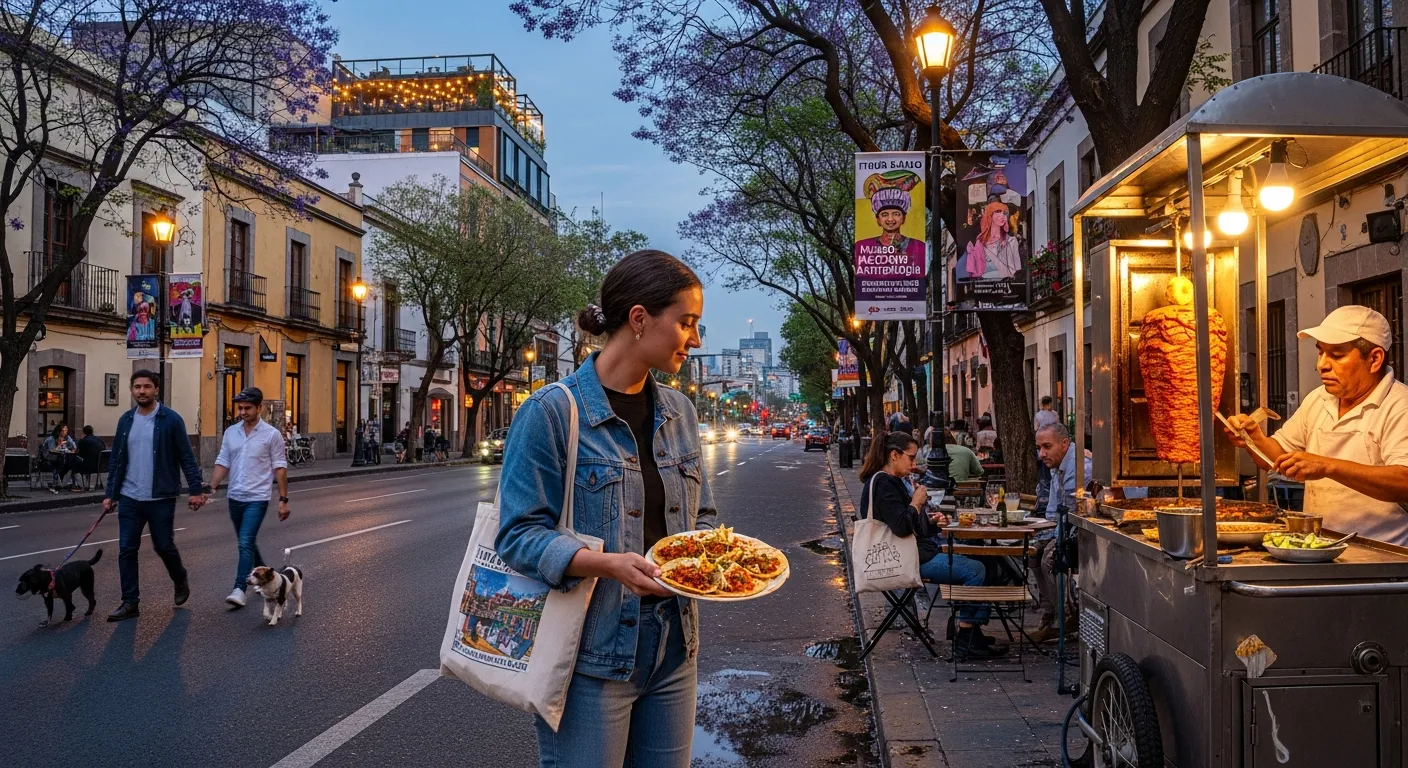
If we had to pick one place to understand modern Mexico, it’s Mexico City (CDMX). It’s chaotic and creative in the best way: street food stands under jacaranda trees, world-class museums, rooftop bars, and indie galleries all stacked into one sprawling metropolis.
Why Mexico City Belongs On Your List
Mexico City is consistently one of the best places to go in Mexico for first-timers because it checks almost every box:
- Deep history, from Aztec ruins at Templo Mayor to the canals of Xochimilco.
- A food scene that swings from 50-cent tacos to some of the world’s top restaurants.
- Lively nightlife, design-forward stays, and constant cultural events.
It also works great as a hub: fly into CDMX, spend 4–5 days, then hop to Oaxaca, Guadalajara, or the coast.
Neighborhoods To Base Yourself
For most of us, especially if it’s our first time, we stick to:
- Roma Norte: Hip cafés, natural wine bars, quiet leafy streets, tons of creative types on laptops.
- Condesa: Slightly more polished, green parks, dog walkers everywhere, safe and walkable.
- Centro Histórico: Gritty, grand, hectic, great if we want to be close to the big sights.
Roma and Condesa are where we’d book our first stay: think $70–150/night for a stylish guesthouse or boutique hotel, tree-lined streets, and endless food options.
Food, Culture, And Nightlife Highlights
Must-do experiences:
- Street food crawl: Tacos al pastor at a late-night stand, tlacoyos in a market, churros dipped in chocolate.
- Museums: Frida Kahlo’s Casa Azul, the Museo Nacional de Antropología, and smaller galleries in Roma.
- Nightlife: Mezcal bars, speakeasy-style cocktail spots, and live music venues ranging from cumbia to jazz.
We love mixing “high” and “low”: a morning in the Anthropological Museum, a $2 plate of quesadillas, then a reservation at a tasting-menu restaurant we’d never afford back home, all in the same day.
Oaxaca City And Coast: Food, Craft, And Slow Living
Oaxaca is where time seems to stretch. The colors feel deeper, the flavors richer, and the pace slower in a way that invites us to stay longer than we planned.
Oaxaca City For Culture Lovers
Oaxaca City is a dream if we’re obsessed with food, markets, and traditional crafts.
- Wander the Centro Histórico, with its bright facades and the golden stone of Templo de Santo Domingo.
- Eat our way through Mercado 20 de Noviembre and Mercado Benito Juárez, tlayudas, mole, memelas, and smoky barbacoa.
- Learn about Zapotec and Mixtec cultures at museums and artisan workshops.
It’s also one of the most affordable creative hubs in Mexico. We’ve found beautiful guesthouses from ~$40–80/night, with cafés and mezcal bars that feel made for slow, thoughtful evenings.
Day Trips To Villages And Mezcal Country
The magic of Oaxaca really opens up when we leave the city for a day:
- Teotitlán del Valle: Known for handwoven textiles: we’ve watched entire families work natural dyes and traditional looms.
- Hierve el Agua: Petrified waterfalls with epic views: go early to dodge the crowds and midday heat.
- Mezcal tours: Small-scale producers near Santiago Matatlán and surrounding villages: choose tours that support family-run palenques and focus on sustainable practices.
Driving through the Sierra Madre with agave fields rolling past the window is one of those “how is this real?” travel moments.
Oaxacan Coast: Puerto Escondido And Mazunte
If we want to add beach days, the Oaxacan coast delivers a boho, barefoot vibe.
- Puerto Escondido: Surf town turned digital-nomad magnet: think strong waves at Playa Zicatela, quieter coves like Carrizalillo, smoothie bowls, hostels and boutique stays, and sunset beers on the sand.
- Mazunte & San Agustinillo: Smaller, more low-key villages with yoga, vegetarian cafés, and long, golden beaches, perfect if we’re leaning into slow mornings and ocean swims.
Wi‑Fi can be hit or miss, but for a mix of surf, sunsets, and semi-remote work, this stretch is hard to beat.
Yucatán Peninsula: Cenotes, Colonial Cities, And Caribbean Blues
The Yucatán Peninsula is Mexico’s showstopper, turquoise water, limestone sinkholes, and some of the most famous ruins in the world. It can feel overdone in spots, but if we choose carefully, it’s still one of the best places to go in Mexico.
Tulum And The Riviera Maya: When It’s Worth It
Tulum’s reputation is… complicated. It’s pricey and can feel over-influencer-ed, but there are reasons to go:
- The Tulum Ruins perched on a cliff above the Caribbean.
- Chic, design-forward hotels and excellent restaurants.
- Beach clubs and nightlife if we’re in party mode.
If we go, we tend to:
- Stay in town (more affordable than the beach strip).
- Rent bikes, visit ruins early, and skip the most hyped beach clubs.
- Mix in day trips to Akumal (for sea turtles) or Playa del Carmen for nightlife.
Mérida And Valladolid: Culture-Rich, More Local Vibes
For a more grounded Yucatán experience, we head inland.
- Mérida: A larger colonial city with leafy plazas, pastel mansions, strong café culture, and a growing expat and digital-nomad scene. Nights can be surprisingly lively, with live music and street food lining the squares.
- Valladolid: Smaller, calmer, and perfectly placed for cenote-hopping and ruins. Picture colorful streets, a main square where families gather at night, and a slower pace that feels deeply local.
Both towns offer great value, think $30–80/night for charming guesthouses, hearty Yucatecan dishes like cochinita pibil, and walkable, photogenic streets.
Cenotes, Ruins, And Nature Experiences
This is where the Yucatán really shines:
- Cenotes: Freshwater sinkholes like Cenote Suytun, Ik Kil, and countless lesser-known spots. We always bring a mask, snorkel, and cash for entry fees.
- Ruins: Chichén Itzá is iconic (and crowded), while Ek’ Balam and Cobá feel wilder and less tour-bus-y.
- Nature: Biosphere reserves like Sian Ka’an offer mangrove channels, wildlife, and boat trips.
We usually base in Valladolid or Mérida, rent a car for a few days, and turn the whole region into one big DIY road trip.
Pacific Coast: Surf Towns And Boho Beach Life
The Pacific coast feels different from the Caribbean: rougher waves, golden sunsets, and towns that still feel like places people actually live rather than resort strips.
Puerto Escondido: Surf And Sunset Culture
We mentioned it with Oaxaca, but Puerto Escondido deserves its own spotlight. It’s a magnet for surfers, creatives, and backpackers.
- Playa Zicatela: Famous beach break (not for beginners) and sunset bars.
- La Punta: Chill neighborhood with sandy streets, boutique stays, yoga classes, and surf schools.
It’s easy to fall into a rhythm here: morning surf, midday nap, laptop session at a café, then barefoot to the beach for golden-hour.
Sayulita And San Pancho: Chill Near Puerto Vallarta
North of Puerto Vallarta, two small towns have become favorites for boho beach life:
- Sayulita: Colorful, busy, fun, lots of restaurants, surf shops, and nightlife.
- San Pancho (San Francisco): Quieter and more relaxed, with a strong community feel and great sunsets.
Puerto Vallarta itself offers a more urban beach experience with a lively Malecón, proper supermarkets, and solid Wi‑Fi, helpful if we’re working while hopping between surf towns.
Best Time To Go And Crowd Levels
- High season: December–March, best weather, more crowds, and higher prices.
- Shoulder seasons: November and April can be ideal, good weather with fewer people.
- Summer: Hotter, more humid, but quieter and cheaper.
If we’re flexible, we aim for shoulder season: still great sun, but easier to find a beachfront room without booking months in advance.
Baja California Sur: Desert-By-The-Sea Adventure
Baja California Sur feels like another planet: cacti-studded desert hills dropping straight into glassy blue bays. It’s a paradise for road trips, marine life, and wide-open spaces.
La Paz: Sea Of Cortez Wildlife And Waterfront Living
La Paz sits on the Sea of Cortez, a UNESCO-recognized marine wonderland.
- Stroll the malecón at sunset with locals and families.
- Take boat trips to Isla Espíritu Santo to snorkel with sea lions and swim in crystal-clear water.
- In season, head out for whale-watching or (responsible, regulated) whale shark encounters.
The vibe is low-key and local compared to Cabo, with plenty of affordable seafood spots and simple beachfront stays.
Todos Santos: Artsy, Quiet, And Stylish
About an hour from Cabo, Todos Santos is an artsy, adobe-walled town that feels tailor-made for slow travelers.
- Art galleries, design-y boutique hotels, and farm-to-table restaurants.
- Nearby beaches for surfing and sunset walks (though some are rough for swimming).
It’s the kind of place where we linger over coffee, browse local crafts, and lose track of days.
Road Trips, Whale Watching, And Outdoor Trips
Baja is built for the open road. Renting a car unlocks:
- Desert drives between La Paz, Todos Santos, and Cabo.
- Winter whale-watching trips on the Pacific side (Dec–March).
- Kayaking, stand-up paddleboarding, and camping under the stars.
If we’re craving nature, space, and starry skies more than nightlife, Baja California Sur climbs very high on our list of best places to go in Mexico.
Guadalajara And Beyond: City Life With A Creative Soul
If Mexico City feels like New York, Guadalajara is more like a mashup of Austin and a classic Mexican colonial city, creative, musical, and slightly more relaxed.
Guadalajara’s Neighborhoods And Food Scene
Guadalajara has a strong sense of identity. It’s the birthplace of mariachi and close to the heartland of tequila.
- Base in Colonia Americana or Lafayette for cafés, murals, and nightlife.
- Seek out local dishes like tortas ahogadas and birria.
- Visit the Hospicio Cabañas to see powerful murals by José Clemente Orozco.
The bar and coffee scene here feels young, creative, and less polished than CDMX, in a good way.
Tequila Towns, Lakes, And Countryside Escapes
Day trips make Guadalajara even better:
- Tequila: Yes, the actual town. Take the train or a day tour through agave fields, visit distilleries, and learn how tequila is really made.
- Lake Chapala & Ajijic: Lakeside towns popular with both locals and expats, good for a slower day trip.
Rolling blue agave fields at sunset are one of those landscapes that stick in our heads long after we fly home.
Coworking, Cafés, And Long-Stay Appeal
Guadalajara quietly works as a remote-work base:
- Coworking spaces and laptop-friendly cafés across Colonia Americana.
- Lower cost of living than many US cities and even parts of Mexico City.
- Easy flights to and from the US, plus buses onward to the Pacific coast or Mexico City.
If we’re scouting places to live for a month or two, not just vacation, Guadalajara deserves a serious look.
Conclusion
Mexico isn’t one trip: it’s a lifetime of trips. From the murals of Mexico City to the mezcal fields of Oaxaca, from Yucatán cenotes to Baja’s desert seas, there’s a version of Mexico that matches almost every season of our lives.
If we had to build a first-timer route for culture-loving, remote-working travelers, it might look like: Mexico City → Oaxaca City & coast → Yucatán or Baja. But the real joy is knowing we’ll be back, to surf a new break, try a new mole, or learn a new story.
Key Takeaways & Travel Tips
- Start with your style: City, coast, ruins, or road trip, then pick 2–3 regions instead of trying to do it all.
- Travel November–April when possible for drier weather and, on the coasts, calmer seas.
- Mix big cities with small towns: Pair Mexico City or Guadalajara with Oaxaca, Valladolid, Sayulita, or Todos Santos.
- Plan for connection: Choose known digital-nomad hubs (CDMX, Guadalajara, Mérida, Puerto Vallarta) if work is a priority.
- Travel responsibly: Support local-owned stays and tours, especially in indigenous regions and smaller communities.
The best places to go in Mexico are the ones that give us what we’re really craving right now, inspiration, connection, or just a slower sunrise over the sea. Whichever region you choose first, it probably won’t be your last.