
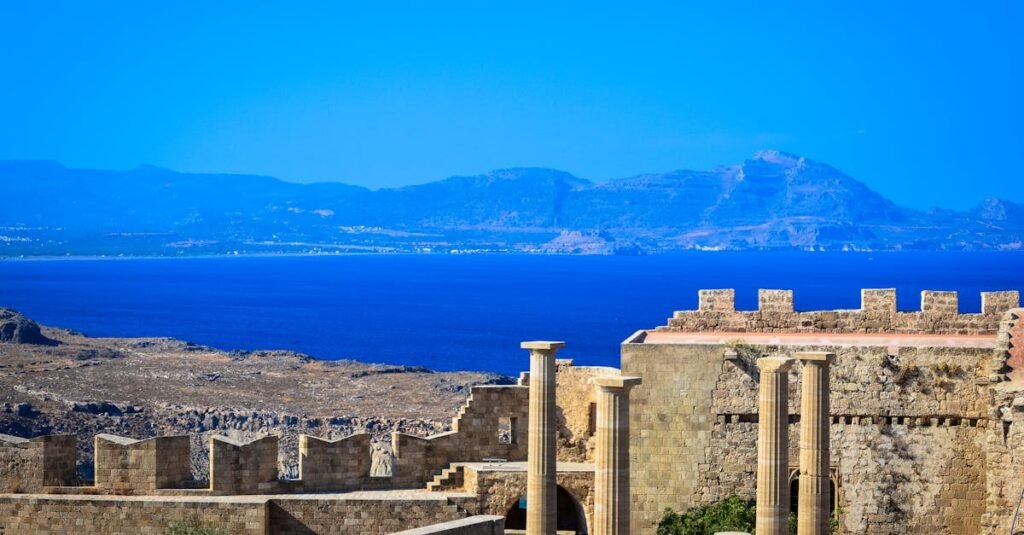
You first notice the light.
On Rhodes, the largest Greek island in the Dodecanese, the sun doesn’t just shine – it soaks into stone walls, whitewashed alleys, and the deep blue Aegean until everything feels warmed from the inside out.
You’re walking along medieval ramparts one moment, sipping an iced coffee in a waterfront café the next, and swimming in a tiny cove that looks straight out of a movie an hour later.
If you’ve ever wanted an island that lets you slow down without getting bored, Rhodes is that place. It’s got an Old Town that’s a UNESCO World Heritage Site, beaches for every mood, villages that still feel local, and just enough nightlife to keep your evenings interesting.
This guide will help you figure out when to go, where to stay, what not to miss, and how to experience Rhodes in a way that feels both immersive and relaxed.
Why Rhodes Belongs On Your Greece Shortlist
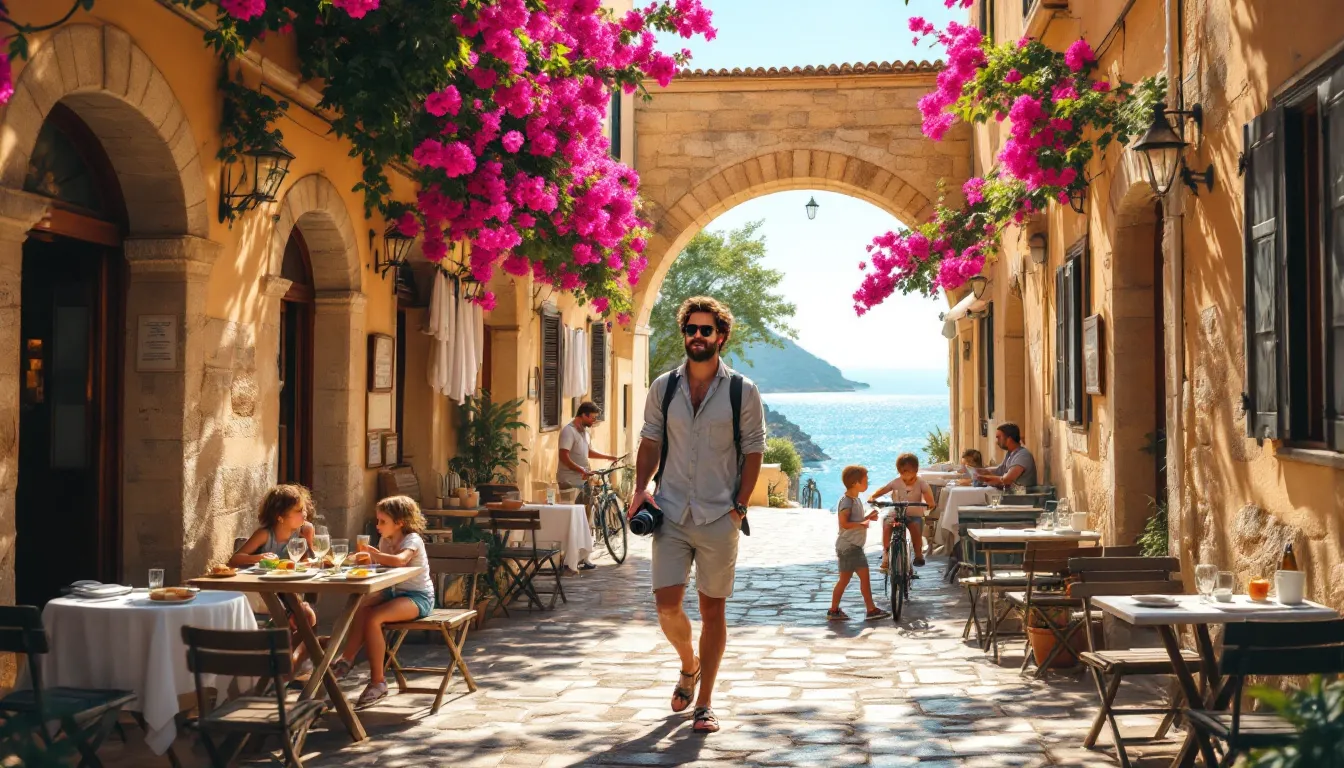
Rhodes isn’t the first name you usually hear when people plan a Greece trip. Santorini and Mykonos tend to steal that spotlight. But if you’re looking for a place where you can mix history, beaches, local life, and a bit of remote-work-friendly infrastructure, Rhodes quietly outperforms a lot of the “big name” islands.
Here’s why it deserves a prime spot on your Greece shortlist:
- 2,400+ years of history in one compact island. You’re literally walking the same streets Crusader knights used in the Middle Ages, and you can still see patches of ancient Greek and Roman history layered underneath.
- A UNESCO-listed Old Town that actually feels lived in. It’s not just a pretty backdrop. People still hang out laundry, kids still race through the alleys, and tavernas spill onto cobbled lanes.
- Beaches for every version of you. The “I want to nap under an umbrella” you. The “I want to cliff-jump and snorkel” you. The “I just want a quiet sunset walk” you.
- Size that works in your favor. Rhodes is big enough that you can escape crowds by heading south or inland, but small enough that you can road-trip the island without spending your whole day driving.
- Good value compared with more famous islands. You can still find reasonably priced tavernas, family-run guesthouses, and beachfront rooms that don’t feel like a financial crime.
If you’re the kind of traveler who likes to see the “musts” but also wander into everyday life, local cafés, small bakeries, random viewpoints off the main road, Rhodes gives you plenty of room to do exactly that.
When To Visit Rhodes And How Long To Stay

Rhodes is called the Island of the Sun for a reason: it averages more than 300 sunny days a year. But that doesn’t mean every month feels the same when you’re standing on those stone streets.
How Many Days Do You Really Need?
If you like to travel slowly and still cover the highlights:
- 3–4 days works if you’re focused: Rhodes Town, Lindos, and a beach day or short boat trip.
- 5–7 days is a sweet spot. You can see the major sights, add a Symi island day trip, and still have lazy mornings.
- 10 days+ is for you if you want to mix work and play, a few coworking days, road trips, and pockets of real downtime.
Because the island is fairly easy to drive, you don’t need two full weeks to see its different sides, but you can happily fill that time if you like to sink into a place.
Weather, Crowds, And Best Seasons
For most travelers, the best time to visit Rhodes is:
- Late April to early June – Warm but not blazing, seas are warming up, wildflowers in the countryside, calmer prices.
- September to mid-October – Sea is at its warmest after summer, days are still beach-friendly, but crowds thin out.
July–August is peak everything: peak heat, peak cruise ships, peak prices. You can still enjoy Rhodes then, especially if you stay in the quieter south, but expect packed Old Town streets and very hot midday sun.
Winter (Nov–March) brings cooler temps, some rain, and a more local vibe. Many beach hotels and tourist-focused businesses close, but if you’re happy with a quieter, more residential island experience, it can be an interesting offbeat choice.
Where To Base Yourself: Best Areas To Stay In Rhodes
Because Rhodes is larger than a lot of Greek islands, where you base yourself really shapes your trip.
Staying Inside Or Just Outside The Old Town
Inside Rhodes Old Town
- Pros: Magical atmosphere, car-free lanes, you step out your door into history. Perfect if you love evening wanders, photography, and tavernas at your doorstep.
- Cons: Luggage + cobblestones is a workout, parking is tricky, and it can be noisy in high season.
Just outside the walls (Rhodes New Town / Mandraki area)
- Pros: Easier access to buses, car rentals, supermarkets, and the port. You’re a 5–10 minute walk to the Old Town gate.
- Cons: Less atmospheric, more urban, though you’re close enough to dip into the magic anytime.
Rhodes Town vs. Lindos vs. The Quiet South
Rhodes Town (north)
- Best for: First-timers, history lovers, remote workers who want cafés and nightlife.
- Vibe: Lively port city + medieval core. You can work in a café in the afternoon and be drinking wine on ancient stone steps in the evening.
Lindos (east coast)
- Best for: Iconic views, beaches within walking distance, a slightly more romantic base.
- Vibe: Whitewashed village cascading down to the sea, overlooked by the Acropolis of Lindos. Mostly pedestrian lanes, rooftop bars, and beach clubs.
The quiet south (around Lachania, Gennadi, Plimmiri)
- Best for: Slower travel, long empty beaches, kite-surfing, people who don’t need much nightlife.
- Vibe: Sleepy villages, simple tavernas, starry nights. You’ll want a car here.
If you’ve got a week, consider splitting your stay: a few nights in Rhodes Town (or just outside the walls), then a few in Lindos or the south coast. That way, you get both the historic city energy and the softer pace of the rural island.
Essential Things To Do In Rhodes Town
Rhodes Town feels like two cities layered on top of each other: the medieval Old Town inside the walls, and the more modern New Town wrapped around it, stretching to the port and Elli Beach.
Wandering The Medieval Old Town Walls And Alleyways
Start early, before the day-trippers arrive. Slip through one of the stone gates and just walk with no real plan. Your must-sees:
- Street of the Knights – A perfectly preserved medieval street where you half-expect armor to clank around the corner.
- Palace of the Grand Master – A fortress-palace with thick walls, courtyards, and a small museum. Go for the sense of scale.
- Archaeological Museum of Rhodes – Housed in the former Hospital of the Knights. Great if you like to connect the ruins to real stories and faces.
If you can, walk a stretch of the medieval walls themselves (open limited hours, usually for a small fee). Looking down on the maze of red roofs and courtyards is one of those “okay, I’m really here” moments.
Sea, Sunsets, And Coastal Walks Near Rhodes Town
When your brain is full of history, you’re a short walk from the sea:
- Elli Beach – A city beach with clear water, umbrellas, and a classic high diving platform. It’s not wild or remote, but it’s wonderfully convenient.
- Mandraki Harbor – Walk the waterfront lined with yachts, the deer statues where the Colossus of Rhodes might have stood, and the three old windmills on the breakwater.
- Sunset walks – Head around the northern tip of the island toward the windier west side for a breezy golden hour. Even in busy season, you can usually find a quiet corner of promenade to watch the sky catch fire.
Beaches, Villages, And Road Trip Ideas Beyond Rhodes Town
Once you leave Rhodes Town, the island softens into small villages, pine-covered hills, and a coastline that flips between sandy arcs and rocky coves.
If you can, rent a car for a day or two and treat the island like your own choose‑your‑adventure map.
Beaches For Every Mood
On the east coast (generally calmer seas):
- Anthony Quinn Bay – A small, rocky cove with emerald water. Great for snorkeling: arrive early before the crowds.
- Ladiko Beach – Right next to Anthony Quinn, slightly wider, with loungers and a more relaxed feel.
- Lindos Beach & St. Paul’s Bay – Soft sand, shallow water, and a dramatic Acropolis backdrop. St. Paul’s is especially pretty at golden hour.
On the west coast (windier, wilder):
- Ixia & Ialyssos – Pebbly, breezy, popular with windsurfers and kiters.
- Prasonisi (far south) – Where the Aegean and Mediterranean meet: a long sand spit that sometimes forms an island at high water. Ideal for surfing and wind sports.
Charming Villages And Unexpected Stops
As you drive inland, slow down for:
- Embona (Emponas) – Wine country. You’ll find small wineries and tavernas serving grilled meats and local dishes.
- Siana – Known for local honey and souma (a strong local spirit). A good place to buy edible souvenirs.
- Koskinou – Close to Rhodes Town, with colorful house facades and a more residential feel.
These aren’t polished theme-park villages. They’re working communities where you’ll see grandparents on stoops, kids on bikes, and maybe one sleepy dog sunbathing in the road.
Day Trips And Short Hikes Worth Planning Around
If you have extra time, build a day around:
- Lindos Acropolis – Go early to beat the heat. The climb is short but steep, and the views over the bays are unreal.
- Kallithea Springs – Restored 1920s spa complex with art‑deco vibes, clear water, and a pretty beach club feel.
- Valley of the Butterflies (Petaloudes) – Best in summer when the butterflies cluster, but the shaded walk is a relief on hot days.
- Monolithos Castle – A ruined castle on a rock with huge views over the sea and islets: great at sunset.
- Symi Island day trip – Colorful neoclassical harbor houses, clear water, and a slower, almost cinematic atmosphere. Boats run from Mandraki harbor in season.
Food, Cafés, And Nightlife: Where Rhodes Really Comes Alive
Greek islands have a way of rearranging your day around meals, and Rhodes is no exception. You’ll eat late, linger long, and probably swear you’re not hungry right before ordering dessert.
Local Tavernas And What To Order
Look for small tavernas with simple tables, a blackboard menu, and more Greek than English spoken. On the Rhodes Greek island, some classics to try:
- Fresh fish of the day – Often priced by weight: ask what’s local and grilled.
- Meze plates – Fava, tzatziki, grilled octopus, fried zucchini balls (kolokythokeftedes), stuffed vine leaves (dolmades).
- Moussaka – Layers of eggplant, potato, and spiced meat with béchamel.
- Gemista – Tomatoes and peppers stuffed with rice and herbs.
- Local cheeses and honey – Especially if you head inland.
In Rhodes Town, you’ll find everything from casual holes‑in‑the‑wall in the Old Town to more polished spots along the harbor and Elli Beach. In villages, expect simpler menus but often the most memorable meals.
Cafés, Wine Bars, And Low-Key Nightlife
If you’re working remotely or just love a good café day, you’ll find:
- Seafront cafés in Mandraki and Elli Beach – Great for people‑watching with your laptop (and a strong Greek coffee or freddo espresso).
- Backstreet coffee bars in New Town – More local, less view, good Wi‑Fi.
For evenings:
- Old Town wine bars – Tucked into stone arches and courtyards, often with Greek labels by the glass and small plates.
- Rooftop bars in Lindos – Cushions, lanterns, views of the lit‑up Acropolis.
- Beach bars – Especially around Faliraki and some stretches of the east coast, where you can go from swim to sundowner without changing shoes.
Nightlife on Rhodes can get wild if you seek it out (particularly in Faliraki), but if you prefer low‑key nights, wine, conversation, maybe a walk on the harbor, the island absolutely supports that vibe too.
Practical Tips For Remote Workers And Curious Travelers
Rhodes works surprisingly well if you’re mixing vacation with a little laptop time or just trying to keep your trip budget and footprint under control.
Costs, Budget Ranges, And Money-Saving Moves
Prices fluctuate a lot by season, but as a rough idea (per person, in USD):
- Street snacks / simple gyros: $4–7
- Sit‑down taverna meal with wine: $18–35
- Mid‑range hotel or guesthouse (double): $70–150+/night (cheaper in shoulder season)
- Car rental: $30–60/day in shoulder season, higher in peak months
To keep costs in check:
- Travel April–June or Sept–Oct instead of peak summer.
- Eat your main meal at lunch when some places do better deals, then have a lighter dinner.
- Use buses for simple routes (Rhodes Town ↔ Lindos) and rent a car only for key road‑trip days.
Staying Connected: Wi‑Fi, SIM Cards, And Coworking Options
- Wi‑Fi is widespread in hotels, apartments, and most cafés around Rhodes Town and Lindos. Speeds are usually fine for email, calls, and light work.
- For more reliable data, grab a Greek SIM (e.g., COSMOTE, Vodafone, or WIND) when you land in Athens or at Rhodes airport. Expect to pay around $15–25 for a decent data package.
- Dedicated coworking spaces on Rhodes are limited, but you can easily create a “café circuit” in Rhodes Town. Just be mindful: order regularly, don’t hog space at peak lunch hours, and ask before setting up for a multi‑hour stint.
If you need to take video calls, choose accommodations that explicitly mention strong Wi‑Fi and test speeds as soon as you arrive.
Respectful, Low-Impact Travel On A Busy Greek Island
Rhodes is popular, and you’ll feel that in high season, particularly in the Old Town and Lindos. A few small choices you make can genuinely help:
- Time your visits. Hit big sights early or late: you’ll enjoy them more and ease pressure on midday crowds.
- Dress respectfully at religious sites (covered shoulders, no super‑short shorts inside churches and monasteries).
- Refill a reusable water bottle instead of buying endless plastic: many cafés will happily top you up.
- Support small, local businesses – family-run tavernas, independent guesthouses, artisan shops.
The goal isn’t to travel perfectly. It’s simply to remember you’re walking through someone else’s home, not just a backdrop for your photos.