
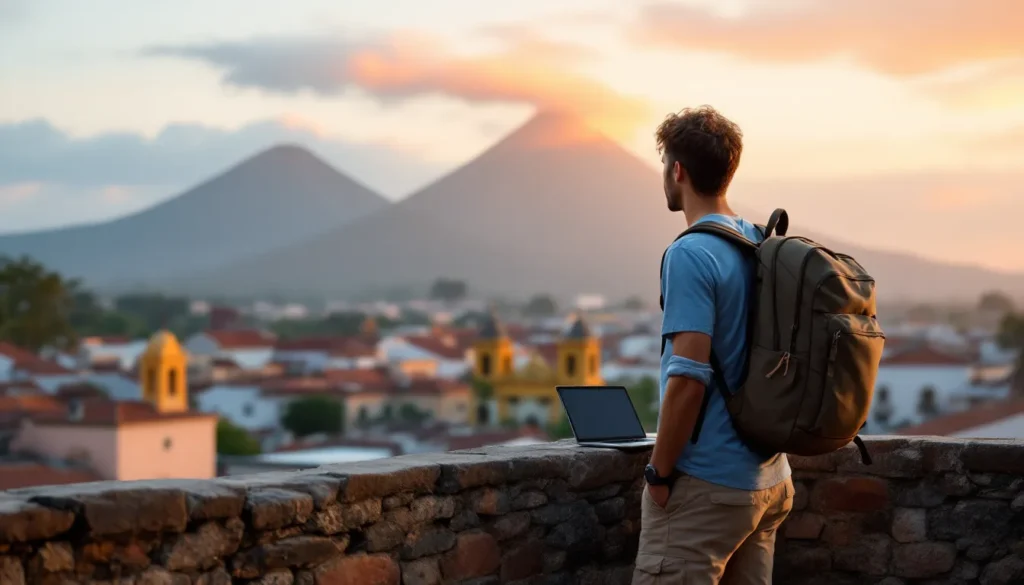
You’re sitting at your laptop, half-working, half-Googling cheap flights, when a photo pops up: a volcano glowing above a colonial city, a hammock swaying over turquoise water, a plate of $3 street tacos.
Suddenly that “maybe someday” Central America backpacking trip feels like it could actually be soon.
Central America is where a lot of travelers first realize, “Oh, I can actually live like this for a while.“ You can move slowly, work from cafés, surf in the mornings, hike volcanoes on weekends, and spend less than you would in a single weekend back home.
This guide walks you through how to make it real: when to go, classic backpacking routes, what each country actually feels like, how much you’ll spend, and how to keep things safe, respectful, and flexible. Think of it as advice from a traveler friend who’s a couple of trips ahead of you.
Why Central America Is Perfect For A Backpacking Trip
If you’ve been flirting with the idea of a longer backpacking trip but Asia feels too far and Europe too expensive, Central America hits that sweet spot.
Here’s why it works so well:
- Compact but wildly diverse. In a few weeks you can go from Mayan ruins in the jungle to black-sand surf beaches, cloud forests, and Caribbean islands. Distances are short: border hops are easy.
- Budget-friendly (with room to upgrade). In countries like Guatemala and Nicaragua, you can live comfortably on $25–$35 a day. In Costa Rica and parts of Panama, you can splurge on hot springs, wildlife tours, or a nice hotel for a few nights.
- Great for first-time backpackers. Established backpacker routes, tons of hostels, shuttle services, and English-speaking locals in tourist areas make it feel approachable even if this is your first big trip.
- Ideal for digital nomads and remote workers. Antigua, Lake Atitlán, parts of Costa Rica, and Panama City have decent Wi‑Fi, coworking spaces, and a built-in community of people working from laptops.
- Culture that pulls you in. Street markets, bus rides with reggaeton blasting, sunset beers on the plaza, homestays with Spanish lessons, it’s easy to connect with real life here if you’re open to it.
If you value experiences over stuff and like the idea of trading your commute for chicken buses and volcano hikes, Central America is a very forgiving place to experiment with a more flexible lifestyle.
Best Time To Visit And How Long You Really Need
Central America technically works year-round, but the dry season is the easiest:
- Best time (dry season): roughly December to April. Expect more sun, clearer volcano views, and better beach days.
- Rainy season: May to November. It usually means afternoon showers rather than all-day downpours. The upside: fewer crowds, greener landscapes, and lower prices.
In terms of time:
- 1 month – You can hit the highlights of 3–5 countries without feeling like you’re in a race.
- 2–3 months – The sweet spot for slow travel. Time to linger at Lake Atitlán, stay a month in Antigua or San Cristóbal, learn some Spanish, surf properly, and pick up a remote work rhythm.
If you’re working remotely, don’t underestimate how fast travel days eat energy. Many digital nomads find a 1–2 week base, then 3–4 days of movement works well as a pattern.
Classic Central America Backpacking Routes
There’s no single “right” Central America backpacking trip, but there are a few routes that make planning easier. Think of these as skeletons you can personalize.
One-Month Highlights Route
This version gives you a taste of everything: colonial cities, volcanoes, beaches, and a Caribbean island or two.
Days 1–9: Guatemala
Fly into Guatemala City and head straight to Antigua:
- Wander cobblestone streets, work from leafy courtyards, and hike Acatenango if you’re up for a tough but unforgettable overnight trek with views of erupting Fuego.
- Move on to Lake Atitlán (Panajachel, San Marcos, or San Pedro). It’s easy to stay longer than planned here, yoga, Spanish classes, boat taxis, and unreal sunrises over the lake.
- If you have time, continue to Rio Dulce and Livingston for jungle-fringed rivers and a more Afro-Caribbean feel.
Days 10–11: Belize – Caye Caulker
Hop over to Caye Caulker, where the motto is literally “Go Slow.“ Think:
- Snorkeling or diving on the Belize Barrier Reef
- Fresh fish tacos and rum punch at sunset
Days 12–14: Honduras or El Salvador
- El Tunco, El Salvador – A small surf town with black sand, relaxed hostels, and nightlife. Great if you want a few days of waves and sunsets.
- Alternatively, head to Utila or Roatán (Honduras) if diving is your priority.
Days 15–20: Nicaragua
- Base yourself in Granada and León for colorful streets, rooftop terraces, and easy day trips.
- Add San Juan del Sur or a nearby beach for surf and sunsets.
Days 21–30: Costa Rica
Finish in Costa Rica for a nature-heavy finale:
- La Fortuna / Arenal for hot springs and ziplines.
- Then out to the Nicoya Peninsula or a quieter Pacific surf town like Montezuma.
This route keeps you moving, but you’ll still have down days to rest or work if you’re on a flexible schedule.
Slow Travel Two-To-Three-Month Route
If you’ve got more time, stretch things out and breathe.
- Mexico (Chiapas & Yucatán) – Start in San Cristóbal de las Casas for cool mountain air, markets, and a remote-work-friendly café scene. Then drift toward the Yucatán (Bacalar, Tulum’s quieter neighbors) before heading south.
- Guatemala (10+ days) – Linger in Antigua and Lake Atitlán, then add Tikal in the north for sunrise over ancient Mayan ruins emerging from jungle mist.
- El Salvador – Spend a week surfing along the coast (El Tunco, El Zonte), and mix in a day trip to Ruta de las Flores or Montecristo Cloud Forest for hiking.
- Nicaragua – Take your time on the Pacific Coast and in cities like Granada. This is where your daily budget stretches far, so longer stays make sense.
- Costa Rica & Panama – Instead of rushing every famous park, pick 1–2 regions in Costa Rica, then drift into Bocas del Toro or Boquete in Panama before finishing in Panama City for city vibes and onward flights.
This slower route gives you room for language classes, remote work sprints, and those magic, unplanned detours.
Off-The-Beaten-Path Detours Worth Adding
If you hate the feeling of just following the crowd, build in a few of these:
- Rio Dulce & hot springs (Guatemala) – Take a boat through canyon walls draped in jungle, stop at riverside hot springs and tiny villages.
- Nim Li Punit (Belize) – A quieter ruin site where you might share the place with only a few other travelers.
- Montecristo Cloud Forest (El Salvador) – Misty forests, cooler temps, and a total contrast to the hot coast.
- Celaque National Park (Honduras) – Home to the country’s highest peak and fewer international visitors.
These are the places that tend to stick with you long after the trip, the ones you can’t quite capture on Instagram.
Country-By-Country Snapshot: What To Expect
Think of this as your quick-feel guide for each stop on your Central America backpacking trip.
Mexico’s South And Yucatán (Often The Starting Point)
Vibe: Colorful, cultural, and surprisingly livable for digital nomads.
Highlights:
- San Cristóbal de las Casas (Chiapas) – Cool mountain air, artisan markets, activist bookstores, cozy cafés.
- Ruins like Palenque or Chichén Itzá (if you push into Yucatán).
Budget is similar to Guatemala if you eat locally and avoid over-touristed hotspots.
Guatemala: Volcanoes, Lakes, And Spanish Schools
Vibe: Dramatic landscapes, strong Mayan culture, and great value.
- Antigua – Colonial city ringed by volcanoes: perfect for Spanish lessons, coworking, and café hopping.
- Lake Atitlán – A cluster of lakeside villages, each with its own personality (yoga, party, chill, hippie).
- Tikal – Massive Mayan ruins rising out of dense jungle in the north.
Guatemala is a fantastic place to slow down for a couple of weeks.
Belize: Caribbean Vibes And Easy Diving
Vibe: Laid-back, English-speaking, and a bit pricier than its neighbors.
- Caye Caulker – Dive shops, barefoot streets, pastel guesthouses. “Go Slow” is more rule than slogan.
- Inland areas offer caves, rivers, and smaller ruin sites like Nim Li Punit.
Belize fits perfectly as a 3–7 day “island chapter” in your route.
Honduras And El Salvador: Surf, Ruins, And Under-The-Radar Towns
Vibe: Less visited, more raw, and very rewarding if you stick to known routes.
- El Tunco & El Zonte (El Salvador) – Surf, sunset beers, and sociable hostels.
- Ruta de las Flores – Coffee towns, street murals, and nicer weather in the hills.
- Honduras – Mountainous national parks like Celaque, plus Caribbean islands like Utila and Roatán for world-class diving.
These countries can be more sensitive from a safety perspective, but the main backpacker spots are well-trodden and welcoming.
Nicaragua: Budget-Friendly Beaches And Colonial Cities
Vibe: Perfect for long-term backpackers and budget-conscious digital nomads.
- Granada & León – Colorful façades, rooftop bars, and easy access to volcano boarding, lagoons, and markets.
- Pacific Coast – Surf towns and laid-back beach life, often at half the price of Costa Rica.
Nicaragua is where you’ll often think, “Wait, this is all I’m spending?“
Costa Rica: Nature, Wildlife, And Adventure Activities
Vibe: Polished, eco-focused, and more expensive, but worth it if you love wildlife.
- Arenal / La Fortuna – Hot springs, hanging bridges, ziplining, and lush rainforest.
- Pacific or Caribbean Coast – Turtles, sloths, surf spots, and that easygoing pura vida energy.
Costs climb here, so shorter, more intentional stays make sense if you’re on a tight budget.
Panama: Islands, Transit Hub, And Emerging City Life
Vibe: A mix of backpacker islands, mountain towns, and a surprisingly modern capital.
- Bocas del Toro – Caribbean islands with overwater bungalows, hostels on stilts, and a big backpacker scene.
- Boquete – Coffee farms, hiking, and cooler temperatures.
- Panama City – Skyline views, the Canal, and a good place to reset before flying onward.
Panama is also a handy bridge if you’re dreaming of continuing to South America later.
Budget, Costs, And Money-Saving Strategies
You can backpack Central America on a shoestring or with a bit of comfort. The key is knowing where your money stretches and where it doesn’t.
Typical Daily Budget By Country
Approximate daily budget (USD) if you’re staying in hostels or simple guesthouses, eating local food, and taking public transport when possible:
- Guatemala / Nicaragua / El Salvador / Honduras: $20–$40
- Southern Mexico: $25–$45
- Belize / Panama: $35–$60
- Costa Rica: $40–$70
If you’re remote working and want nicer private rooms or coworking, add $10–$20 per day.
How To Save On Transport, Food, And Activities
- Transport
- Use local buses and shared shuttles instead of private transfers. Tourist shuttles between hotspots (like Antigua–Lake ) often cost around $10–$15 and save time vs. complex bus changes.
- Travel during the day to avoid pricey taxis and for safety.
- Food
- Eat where locals eat: markets, street stalls, small comedores. A filling local meal can be $2–$5.
- Save the Western-style brunches and craft cocktails for occasional treats.
- Activities
- Pick your big-ticket items: maybe it’s diving in Belize, ziplining in Costa Rica, or the Acatenango hike. You don’t have to do every tour to have an epic trip.
- Ask hostels about group discounts: going with new hostel friends can drop prices.
Cash, ATMs, And Dealing With Multiple Currencies
You’ll juggle several currencies: quetzales, córdobas, colones, balboas, dollars, and sometimes US dollars accepted directly.
- Rely on ATMs in major towns: avoid huge cash withdrawals at borders.
- US dollars are useful as backup, especially in Panama and some touristy areas.
- Keep two cards in separate spots in case one fails or gets swallowed by an ATM.
- Withdraw a bit extra before heading to smaller beach towns where ATMs may be limited or unreliable.
Hostels, Guesthouses, And Remote-Work-Friendly Stays
Your accommodation choices will shape the feel of your Central America backpacking trip as much as the destinations.
Choosing The Right Base: Party Hostels Vs. Chill Spots
You don’t have to love party hostels to meet people. A few tips:
- Party hostels – Think pub crawls, late-night music, and cheap drinks. Great in short bursts (e.g., El Tunco or San Juan del Sur) but exhausting if you’re working.
- Chill, social hostels / guesthouses – Smaller, quieter, with shared kitchens and common areas. Ideal for remote workers and introverts who still want community.
- Examples of good “chill bases”:
- Lakeside villages on Lake Atitlán (San Marcos, San Juan)
- Smaller hostels in Antigua a bit outside the loudest streets
Always read recent reviews for Wi‑Fi quality, noise levels, and safety.
Coworking Cafes, Wi‑Fi Tips, And Working On The Road
If you’re planning to work during your trip:
- Best bases for remote work:
- Antigua (Guatemala) – Coworking spaces and stable Wi‑Fi.
- San Cristóbal (Mexico) – Strong café culture.
- Select hubs in Costa Rica and Panama City.
- Test speed: run an internet speed test before committing to longer stays.
- Download offline files and maps for bus days or remote beaches.
- Build in deep-work weeks where you move less: constant travel + deadlines is a fast track to burnout.
Unique Stays: Eco-Lodges, Homestays, And Beach Cabins
Mixing in a few special stays can completely shift the energy of your trip:
- Eco-lodges in Costa Rica or Panama – Wake up to howler monkeys and coffee on a deck in the forest.
- Homestays in Guatemala or Nicaragua – Practice Spanish, share meals, and see daily life up close.
- Simple beach cabins – A fan, a hammock, and the sound of the waves can be all you need.
You don’t have to book everything in advance, but for popular periods (Christmas, Easter, local holidays), reserve key nights ahead.
Safety, Local Culture, And Getting Around
You’ve probably heard mixed things about safety in Central America. The reality: it’s about smart choices, not constant fear.
Staying Safe Without Traveling In Fear
- Stick to known routes and neighborhoods used by other travelers.
- Avoid walking alone late at night: use registered taxis or rideshares where available.
- Keep valuables minimal and don’t flash your tech on buses or in crowded markets.
- Ask hostel staff, “Is this walk safe at night?“ and actually listen to their answer.
Most people you meet will be kind and helpful, but basic street smarts go a long way.
Respecting Local Culture, Language, And Customs
You don’t need perfect Spanish, but a little effort matters.
- Learn simple phrases: hola, buenos días, gracias, por favor, cuánto cuesta, disculpe.
- Dress with some modesty away from beaches and hostels, especially in small towns and markets.
- Always ask before taking someone’s photo, particularly in Indigenous communities.
- Be aware that for many locals, tourism is both opportunity and disruption. Support small businesses, tip fairly, and stay curious rather than judgmental.
Buses, Shuttles, And Border Crossings
- Chicken buses (colorful local buses) are cheap and an experience, but can be tiring for long distances.
- Tourist shuttles are worth the extra cost for common legs like Antigua–Lake Atitlán or border hops: they’re faster and simpler.
- For borders:
- Keep print or digital copies of bookings and onward tickets.
- Have some small USD or local currency ready for exit/entry fees.
- Cross during daylight and be patient: it’s normal for the process to take a while.
Treat transit days as part of the adventure rather than dead time, and they’ll feel much less stressful.
Packing Essentials For A Central America Backpacking Trip
You don’t need a giant bag. You need the right mix of light, functional, and secure.
Clothing And Gear For Tropical Climates
- 1–2 pairs of light pants or leggings
- 2–3 pairs of shorts
- 4–6 t‑shirts or tank tops
- 1–2 light long-sleeve layers (for buses and cooler highlands)
- A light rain jacket or poncho
- Swimwear (you’ll use it a lot)
- Comfortable walking shoes + sandals or flip-flops
- A packable daypack for hikes and city wandering
Quick-dry fabrics win. Heavy jeans and bulky jackets: not so much.
Tech, Security, And Remote Work Essentials
- Laptop + charger if you’re working remotely
- Universal adapter and a small power strip if you carry multiple devices
- Offline backups of important documents (passport, insurance, cards)
- A money belt or hidden pocket for emergencies
- Small cable lock for hostel lockers
Back up your photos and work regularly, lost or stolen gear is annoying, lost memories or projects are worse.
Health, Insurance, And Responsible Travel
- Travel insurance is non-negotiable, for health, accidents, and gear.
- Ask your doctor or travel clinic about recommended vaccinations and meds.
- Pack a small first-aid kit (painkillers, band-aids, basic meds for stomach issues).
- Refill a reusable water bottle where safe, avoid single-use plastics when you can, and choose tours that clearly respect wildlife and local communities.
Responsible travel isn’t about being perfect: it’s about making slightly better choices, consistently.