
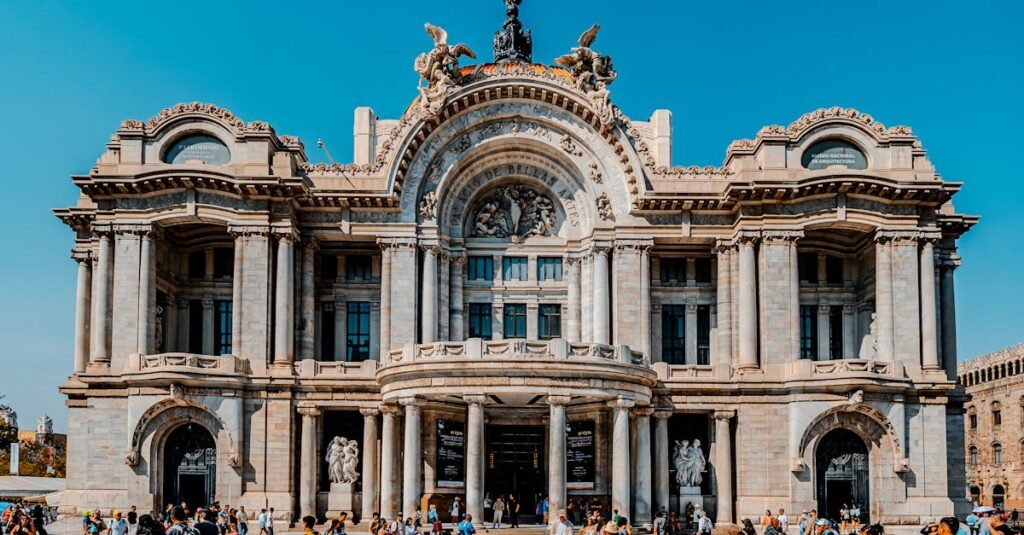
If we’re honest, “Mexico” is less a single destination and more a whole mood board of trips we could take.
One week, we’re picturing ourselves working from a sun‑washed rooftop in San Miguel de Allende with a flat white and church bells in the background. Another, we’re diving into a cenote in the Yucatán, or watching the sun drop into the Pacific from a surf town where everyone’s barefoot and salty‑haired.
Mexico is big, layered, and constantly evolving. The best Mexico destinations in 2026 aren’t just the obvious beach resorts (though we’ll cover those): they’re also creative hubs, slow‑travel coastlines, and culture‑rich cities where we can eat absurdly well, meet people from all over (Black, white, Asian, Latino travelers all mixed together), and still find good Wi‑Fi when we need to open the laptop.
In this guide, we’ll walk through how to choose the right region for your style of trip, then break down the stand‑out areas, from Riviera Maya and Costalegre to Mexico City and the waterfalls of La Huasteca Potosina, with both story and strategy.
How To Choose The Right Mexico Destination For Your Trip
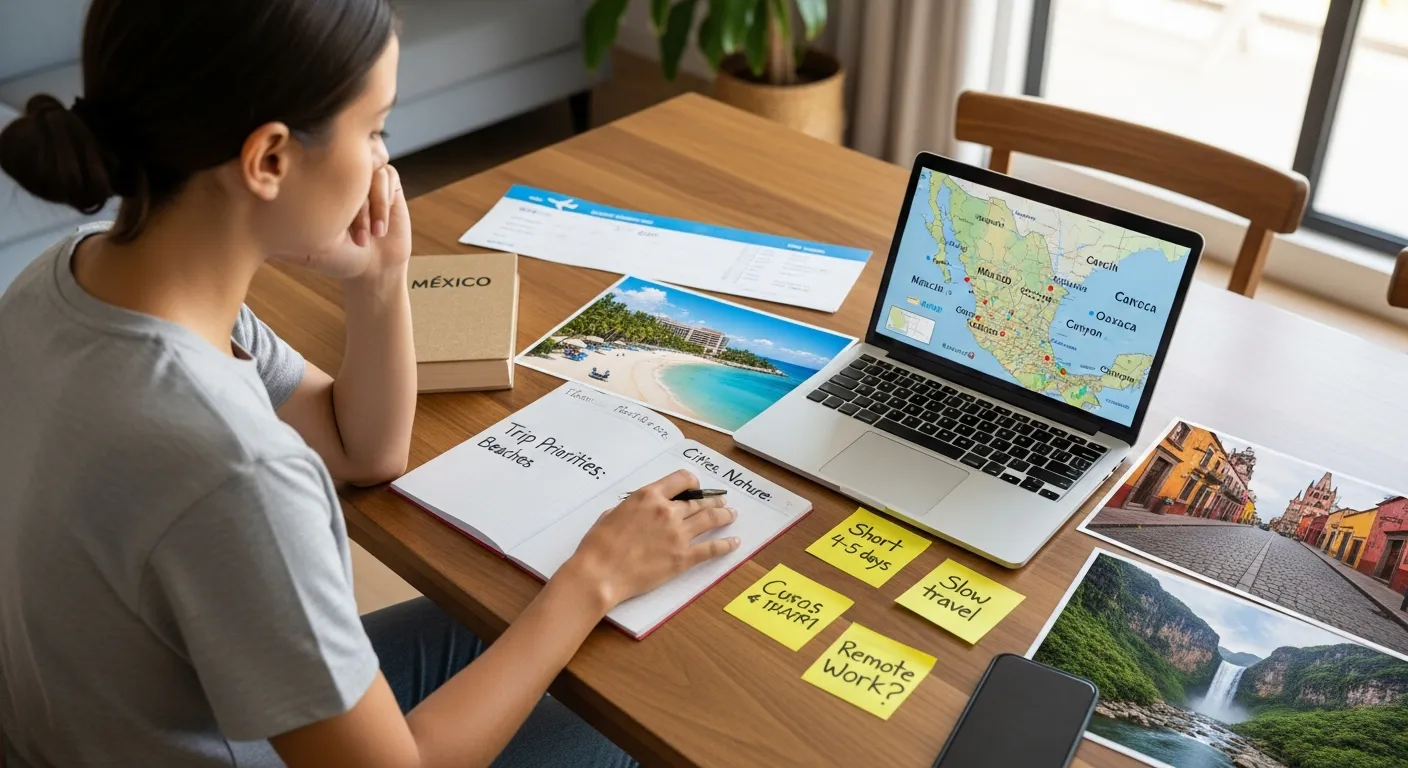
Before we zoom into regions, it helps to get clear on what this trip is actually for. Mexico can be your all‑inclusive beach reset, your culture‑soaked city break, or the place you finally try working remotely somewhere warm.
Start with your priorities
Ask yourself (and anyone you’re traveling with):
- Do we want beaches or cities?
- Beaches & luxury: Think Cancún, Riviera Maya, Cabo San Lucas, Puerto Vallarta.
- Culture & walkable streets: Look at San Miguel de Allende, Mexico City, Guadalajara, Guanajuato.
- Are we craving nature and adventure?
- Waterfalls, rainforests, and canyons point us toward Chiapas, La Huasteca Potosina, Copper Canyon, Loreto.
- Is this a short break or a longer stay?
- For a quick 4–5 day trip, easy‑access hubs like Cancún, Puerto Vallarta, Mexico City, Cabo work best.
- For slow travel or remote work, we might prioritize Riviera Nayarit, San Miguel de Allende, Oaxaca, smaller towns near big airports.
Factor in access and transit
Mexico is well‑connected, but some areas are simply smoother to reach:
- Major international airports: Cancún (CUN), Mexico City (MEX), Puerto Vallarta (PVR), Los Cabos (SJD), Guadalajara (GDL).
- Emerging regions with improving roads & flights: Areas like Costalegre on the Jalisco coast and smaller Pacific towns are getting easier to access thanks to ongoing Highway 200 expansions and more domestic routes.
If it’s your first time in Mexico, flying into a main hub and then branching out, say, Mexico City + nearby towns, or Cancún + Yucatán day trips, keeps logistics simple.
Match the vibe to your season of life
- New to international travel or going with a group? A classic like Riviera Maya or Cabo offers infrastructure, English‑friendly services, and easy package deals.
- Creative recharge or solo reset? Atmospheric cities like San Miguel de Allende, Oaxaca City, or Guanajuato give us café culture, art, and slower mornings.
- Adventure with a side of “wow, are we really here?“ Head toward La Huasteca Potosina, Chiapas, or Copper Canyon for waterfalls, jungles, and serious landscapes, with a bit more planning.
Once we know our priorities, coastlines, culture, or creative energy, it’s a lot easier to decide where to land.
Yucatán Peninsula: Beach Vibes, Cenotes, And Mayan History
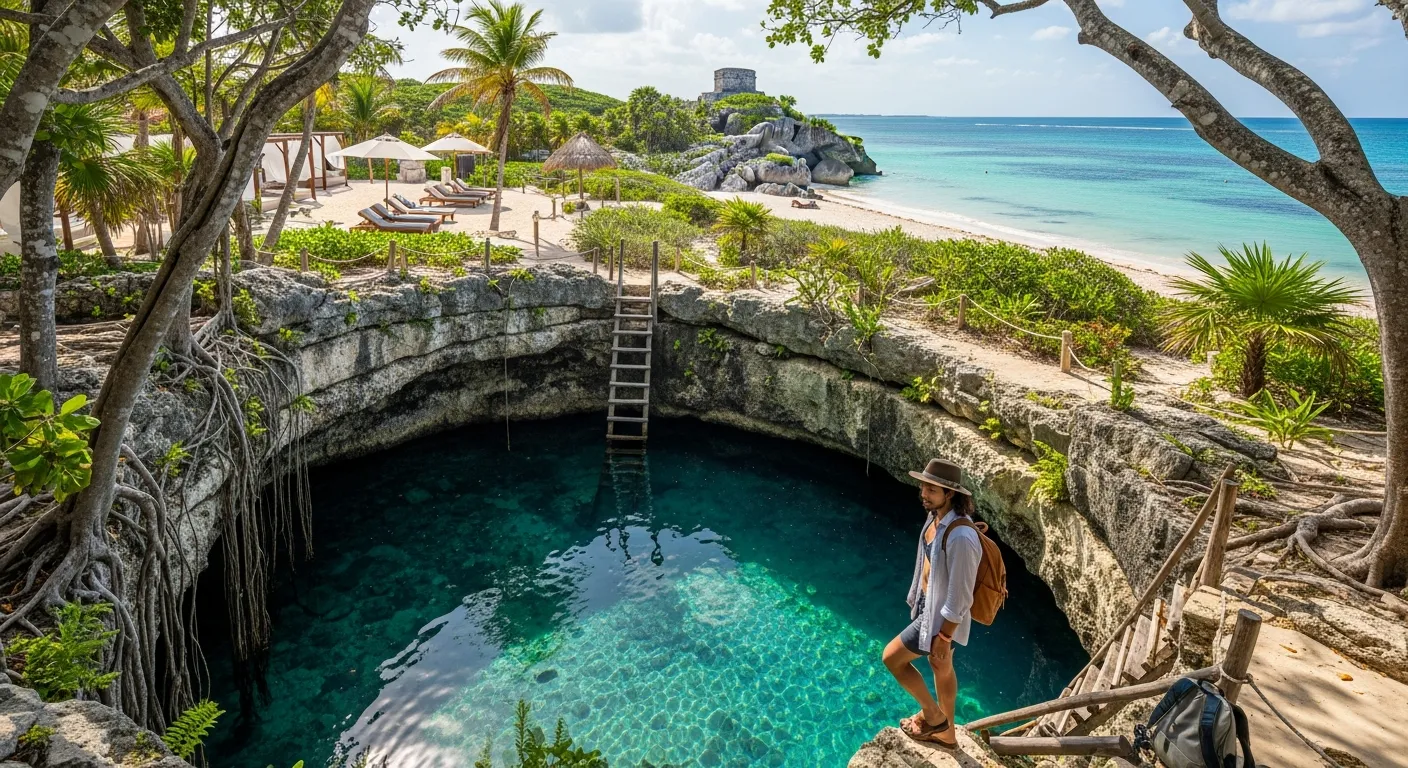
If your mental image of Mexico is turquoise water and sugar‑white sand, we’re basically picturing the Yucatán Peninsula.
Riviera Maya: classic Caribbean fantasy
Stretching south from Cancún to Tulum, the Riviera Maya is one of the best Mexico destinations if we want low‑effort paradise:
- Cancún: Super accessible, with tons of flights from US hubs. Great if we’re okay with big resorts, nightlife, and a more polished tourist vibe.
- Playa del Carmen: More walkable, with a growing expat and digital nomad scene, beach clubs, and easy ferries to Cozumel.
- Tulum: Once a sleepy beach town, now a full lifestyle brand, boho hotels, yoga, mezcal bars, and both upscale and backpacker zones.
Expect:
- Beach days from about $10–$30 USD for loungers and a drink at a beach club, depending on the spot.
- Snorkeling the Mesoamerican Reef, the world’s second‑largest barrier reef, right off the coast.
- Easy tours to islands like Isla Mujeres and Isla Holbox for whale shark encounters in season (typically June–September: confirm exact timing before you book).
Cenotes and Mayan ruins
Beyond the beach is where the Yucatán gets really special:
- Cenotes: These limestone sinkholes hold crystal‑clear freshwater pools where we can swim, snorkel, or even scuba. Many near Valladolid or Tulum cost $5–$15 USD to enter.
- Chichén Itzá: One of the most famous Mayan archaeological sites, and a UNESCO World Heritage site. Crowded but iconic.
- Tulum ruins: Perched on a cliff above the sea, these feel cinematic at sunrise.
If we’re up for renting a car (or hiring a local driver), we can create a loop: Cancún → Playa del Carmen → Tulum → Valladolid → Chichén Itzá → back to Cancún, layering beach days with cenotes and ruins.
When the Yucatán is right for us
Choose the Yucatán when we want:
- Warm Caribbean water and postcard beaches.
- A mix of pampered resort time and DIY day trips.
- An easy entry into Mexico with solid tourism infrastructure.
It does get busy, especially around holidays and, looking toward 2026, during big events like the World Cup when Cancún will feel extra full, so booking early and leaning into early mornings helps keep the magic intact.
Pacific Coast Gems: Surf Towns, Sunsets, And Slow Travel
The Pacific Coast is where Mexico starts to feel more laid‑back, surfy, and slightly wild.
Puerto Vallarta & Riviera Nayarit
Puerto Vallarta (PVR) is a sweet spot between resort town and real city. We can wander cobbled streets, stumble onto murals, and end the day watching the sun sink behind the bay.
Just north, Riviera Nayarit, think Sayulita, San Pancho (San Francisco), Punta Mita, leans even more into the slow‑travel, surf‑town lifestyle:
- Sayulita: Colorful streets, surf schools, yoga studios, taco stands. It’s social and lively, with travelers from all over: solo backpackers, Black and brown digital nomads, friend groups escaping New York winters.
- San Pancho: Sleepier, often preferred if we like quieter nights and chilled cafés.
- Punta Mita: Home to higher‑end resorts and golf courses, but with access to beautiful, quieter beaches.
This coast is ideal if we want to split days between surf lessons (~$40–$70 USD), tacos, and laptop time in a breezy café.
Costalegre: the under‑the‑radar eco‑luxury stretch
South of Puerto Vallarta, Costalegre (“the joyful coast“) is a wilder, less developed stretch of bays and beaches along the Jalisco coast.
Here, we find:
- Eco‑luxury hotels and boutique stays tucked into coves and jungle.
- Empty‑feeling beaches where we might share the sand with just a handful of people.
- A sense that we’re ahead of the curve, a lot of travelers haven’t made it here yet, but access is improving.
It’s perfect when we want to unplug, splurge a bit, and still stay connected to nature.
Baja and the desert‑meets‑sea drama
On the other side, Baja California Sur gives us landscapes that feel almost Martian:
- Cabo San Lucas & San José del Cabo: Famous for luxury resorts, nightlife, and the Instagram‑famous Arch. Cabo is one of the best Mexico destinations if we want guaranteed sunshine, high‑end amenities, and easy flights from the US West Coast.
- Loreto: Quieter and more soulful, with a pretty colonial town center and access to calm waters ideal for kayaking, paddleboarding, and whale watching (in season).
- San Carlos (Sonora, further north): Epic desert‑meets‑sea landscapes and hikes with views that feel straight out of a movie.
If we’re craving sunsets, surf, whales, and slower days, the Pacific side might beat the Caribbean for us.
Cultural Cities: Food, Art, And Architecture Worth Traveling For
For many of us, the most meaningful Mexico trips happen away from the beach, in cities where we’re walking cobblestone streets, tasting something new at every meal, and hearing live music spill out of bars at night.
San Miguel de Allende
Often topping “world’s best cities“ lists, San Miguel de Allende is a magnet for artists, remote workers, and retirees. Think:
- Colonial architecture and pastel facades.
- Rooftop bars with ridiculous sunset views of the Parroquia church.
- A thriving art scene, with galleries, workshops, and weekly markets.
It’s one of the best Mexico destinations for creative energy, the kind of place where we might come for a week and start wondering what it would be like to stay for a month.
Guadalajara & tequila country
Guadalajara, Mexico’s second‑largest city, is mariachi’s spiritual home and a great food city in its own right. Nearby is the town of Tequila, surrounded by blue agave fields.
We can:
- Take a day trip to Tequila for distillery tours and tastings.
- Explore local neighborhoods with craft coffee spots, design shops, and bars that wouldn’t feel out of place in Austin or LA.
- Catch mariachi performances in plazas and bars.
Mexico City & nearby gems
We can’t talk cultural cities without mentioning Mexico City (CDMX), even if it’s not strictly “hidden”. It’s a universe:
- World‑class food, from street tacos under $2 to tasting menus.
- Museums, parks, and neighborhoods like Roma, Condesa, Coyoacán that are perfect for walking and people‑watching.
- Teotihuacán pyramids just outside the city, one of the most impressive archaeological sites in the country.
A lot of travelers now pair CDMX with a smaller city like Guanajuato (with its colorful hillside houses and underground streets) to balance big‑city buzz with small‑town charm.
If we love coffee shops, galleries, and architecture, these cultural cities deserve a trip all their own, no beach required.
Nature And Adventure Spots Beyond The Usual Tourist Trail
When we’re ready to step beyond the classic resorts and city breaks, Mexico’s wild side shows up fast.
La Huasteca Potosina
In San Luis Potosí state, La Huasteca Potosina is a region of turquoise rivers, waterfalls, and jungle that almost feels imaginary.
Highlights include:
- Cascadas de Tamul: A stunning blue waterfall that we can reach by boat or hike.
- Puente de Dios & Tamasopo: Swimming holes and cascades that look edited in real life.
- The surrealist garden of Las Pozas in Xilitla, a blend of concrete sculptures and jungle.
This area takes more effort, buses, rental cars, and planning, but the reward is a Mexico most travelers never see.
Chiapas: jungles, canyons, and ruins
Down south, Chiapas offers:
- Palenque ruins, emerging from thick rainforest.
- Sumidero Canyon, a dramatic gorge we can explore by boat.
- Indigenous villages around San Cristóbal de las Casas where we can learn about local traditions (with respect and good guides).
Copper Canyon & the north
In the north, Copper Canyon (Barranca del Cobre) is deeper and larger than the Grand Canyon in parts, with rugged hiking and the famous train route, El Chepe. It’s a commitment to get there, but for hikers and landscape lovers, it’s unforgettable.
When to choose these adventure spots
We lean toward these regions when we:
- Don’t mind longer travel days and basic guesthouses.
- Prefer waterfalls and jungles over beach clubs.
- Want to come home with stories few people in our circles have heard before.
They’re not “beginner Mexico,“ but with the right planning and local guides, they’re life‑shaping trips.
Best Mexico Destinations For Remote Work And Longer Stays
If we’re packing a laptop along with our swimsuit, a few places stand out as remote‑work‑friendly while still feeling very “Mexico.“
Riviera Nayarit & Puerto Vallarta
We’ve met so many remote workers in Sayulita, San Pancho, and Puerto Vallarta that they almost feel like satellite neighborhoods of US cities.
Why they work for longer stays:
- Reliable Wi‑Fi in most guesthouses, Airbnbs, and cafés (always confirm speeds with hosts).
- A mix of budget rooms (~$30–$60 USD/night in low season) and boutique hotels ($100+).
- Built‑in community, yoga classes, surf lessons, language exchanges.
San Miguel de Allende & other highland towns
For cooler temps and more city energy, San Miguel de Allende is a top pick:
- Good co‑working spaces and cafés where laptops are normal.
- Walkability, most of what we need is within a 10–20 minute stroll.
- Creative events, from gallery openings to live music.
Nearby cities like Querétaro or Guanajuato can also work if we like a bit more “local” and a bit less expat.
Practical remote‑work considerations
When we’re choosing a base, we usually:
- Check internet speed in the listing and message hosts for screenshots. Look for at least 30–50 Mbps if we’re on video calls.
- Stay within walking distance of cafés, markets, and a gym or yoga studio so life feels easy.
- Avoid the absolute peak tourist seasons, when prices spike and places are busier.
Mexico isn’t just a vacation spot at this point, it’s one of the best places to test out a slower, more flexible lifestyle, even if we’re only staying for a month or two.
Safety, Seasonality, And Practical Tips For Planning Your Mexico Trip
Every trip is smoother when we handle the logistics with the same care we put into finding the best taco.
When to go
- Best overall weather: Generally November–May, when most of the country is drier and less humid.
- Rainy and hurricane season (especially on the Caribbean side): Typically June–October, not a dealbreaker, but we should be ready for showers and occasional storms.
- Crowds & costs: Christmas/New Year, Easter (Semana Santa), and major events like the 2026 World Cup will push up prices and fill places fast, especially in hubs like Cancún and Mexico City.
Safety basics
Mexico is huge, and safety varies region by region, often neighborhood by neighborhood. In most established destinations, if we take normal city precautions, we’re likely to feel as safe as in many big US cities.
We generally:
- Stick to well‑known areas, especially at night.
- Use registered taxis, Uber, or DiDi in cities instead of hailing random cabs.
- Avoid flashing expensive gear in crowded areas: keep phones zipped away when not in use.
- Keep an eye on local advisories and ask our hotel or host for up‑to‑date, on‑the‑ground advice.
Resort areas like Riviera Maya, Cabo, Puerto Vallarta have strong tourism infrastructure and security: more remote adventure regions may require extra caution and a good local guide.
Money, costs, and connectivity
- Currency: Mexican peso (MXN). Cash is still useful for markets, colectivos, and some smaller towns.
- ATMs: Use machines attached to banks where possible.
- Daily budget: We can travel comfortably on $60–$100 USD per person/day in many areas if we mix street food, mid‑range stays, and local transport. Beach resorts and luxury stays can easily push us into $150–$250+ territory.
- SIM & data: Grab a local SIM from Telcel or AT&T at the airport or in town: data plans are usually affordable and coverage is solid in populated areas.
Build in a little wiggle room, for weather, for that extra day in a town we fall in love with, for the cooking class we didn’t know we needed until we smelled the tortillas on a street corner.