
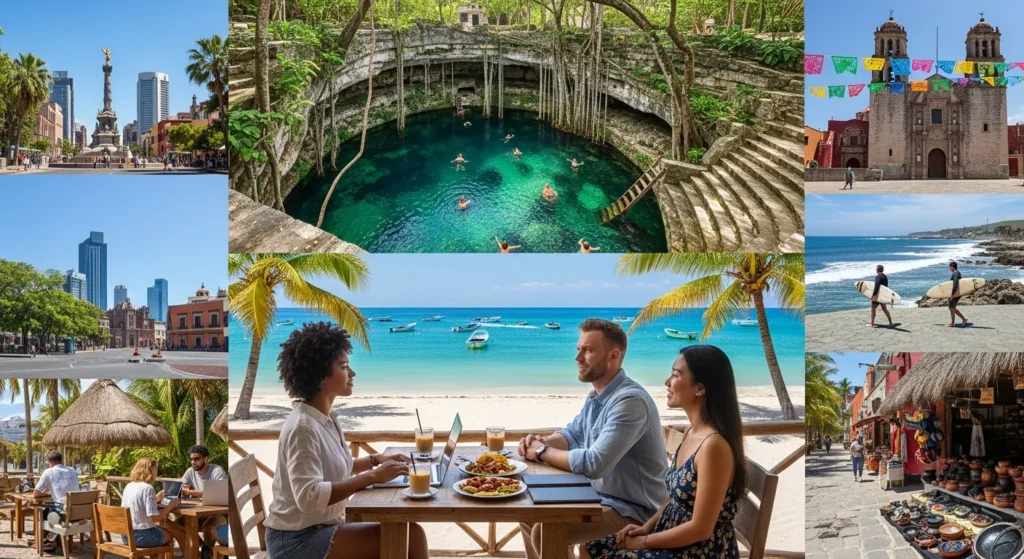
If we’re honest, most of us first heard Mexico vacation and pictured Cancún resorts and endless margaritas. But once we actually start traveling the country, we realize how wildly limited that image is.
Mexico is huge, layered, and endlessly creative. In a single trip we can go from mezcal tastings in Oaxaca to turquoise cenotes in Yucatán, from streets pulsing with mariachi in Guadalajara to remote Pacific surf towns where everyone’s barefoot and half the cafés are filled with laptops.
In this guide, we’ll walk through the best Mexico travel destinations right now, especially for those of us who care about culture, beaches, and the possibility of opening our laptops with an ocean view. We’ll mix first-hand style advice with practical tips so you can pick the spot that actually fits how you like to travel.
Why Mexico Belongs On Your Travel Radar Right Now
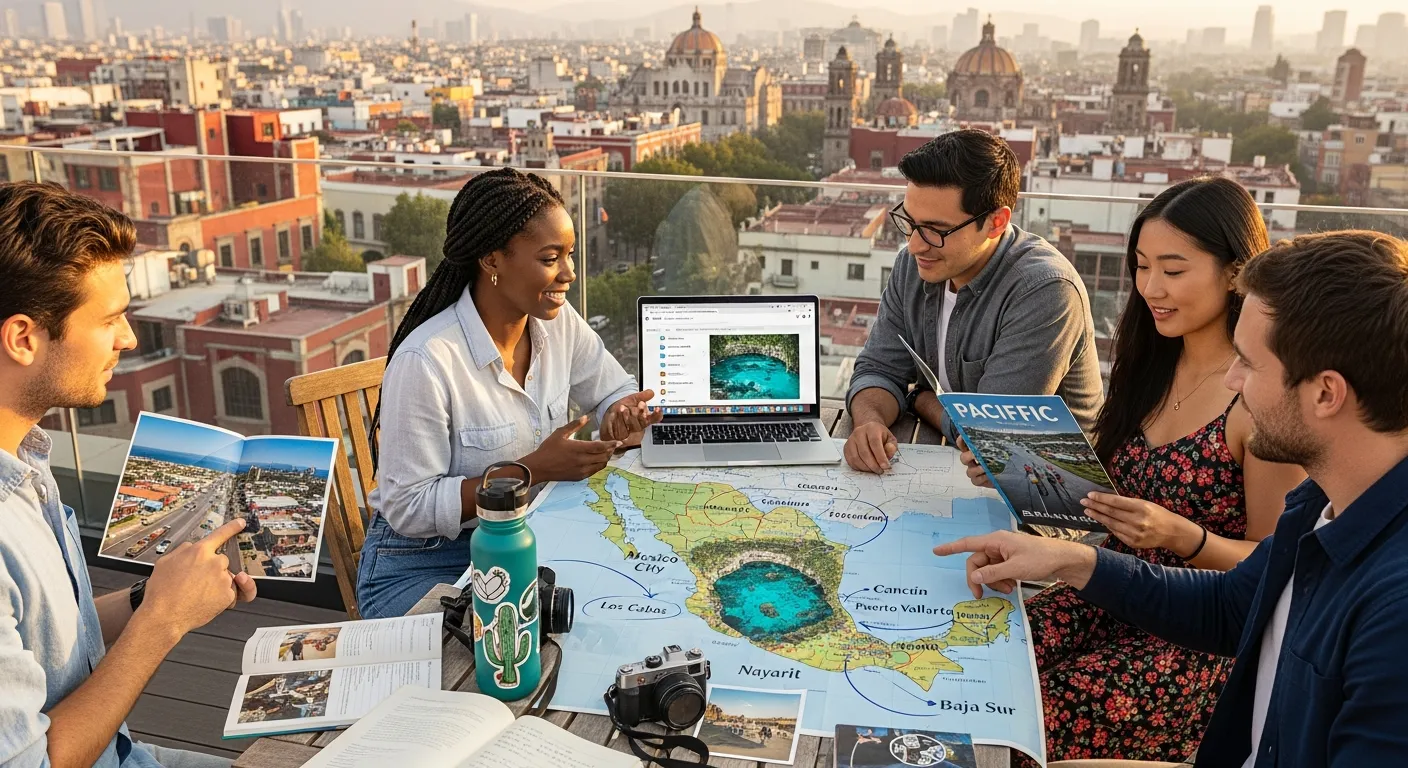
Mexico isn’t just “having a moment“, it’s quietly becoming one of the most compelling year‑round destinations for US‑based travelers.
Accessibility is a big part of it. From cities like New York, Austin, LA, Chicago, and Seattle, we can often snag direct flights to Mexico City, Cancún, Puerto Vallarta, or Los Cabos for less than a domestic trip across the US, especially if we’re flexible with dates.
But 2026 brings a few extra reasons:
- New infrastructure like the Maya Train is opening up lesser-known parts of the Yucatán Peninsula, making it easier to reach cenotes, small towns, and ruins without renting a car.
- Highway improvements along the Pacific and in states like Oaxaca and Nayarit are shortening travel times between tiny surf towns and airports.
- Rising demand for “real” trips is pushing more people beyond the all‑inclusive bubble. We’re seeing more boutique stays, eco-lodges, and community‑run tours in places that used to be overlooked.
And then there’s the diversity. Mexico is not one note. We can:
- Spend mornings in a Mexico City coworking space with fast Wi‑Fi and afternoons in art galleries.
- Float through jungle‑lined rivers in La Huasteca Potosina.
- Road‑trip through Baja Sur where the desert literally crashes into the Sea of Cortez.
Whether we’re traveling as Black, white, Asian, Latinx, or mixed‑race travelers, we’ll find a mix of cosmopolitan cities and low‑key towns where tourists are common but not the main show. That blend of comfort and cultural depth is what keeps many of us coming back.
How To Choose The Right Destination For Your Travel Style
Before we start bookmarking flights, it helps to be brutally honest about what we actually want from this trip. Mexico has something for every style, but not every destination fits every traveler.
Ask yourself:
- Do we want beaches, cities, or mountains and jungles?
- Are we craving late nights and rooftop bars, or quiet plazas and early mornings?
- Are we okay with crowds if it means more amenities, or do we want space and silence even if it’s less convenient?
Here’s how that maps to real places:
- Beach lovers: The Riviera Maya (Cancún to Tulum) offers powdery white sand, swimmable cenotes, and easy access to Mayan ruins. For smaller crowds, towns like Puerto Morelos, Akumal, or El Cuyo feel more low‑key than Cancún’s hotel zone.
- Culture seekers: Oaxaca City, Mexico City, and colonial towns like San Miguel de Allende deliver museums, architecture, traditional markets, and festivals like Día de los Muertos.
- Adventure types: Chiapas and La Huasteca Potosina are made for us if we’re into waterfalls, jungle hikes, and less‑visited ruins.
- Remote workers & slow travelers: Mexico City, Oaxaca City, Mérida, Puerto Escondido, and parts of Baja Sur are strong bases, with good Wi‑Fi, cafés, and growing digital nomad communities.
Keeping those buckets in mind, let’s jump into the destinations that really stand out for 2026.
Mexico City: Creative Capital For Foodies And Remote Workers
If we had to pick one destination that captures modern Mexico in a single hit, it’s Mexico City (CDMX). This is where we go to eat absurdly well, work remotely without feeling isolated, and get our culture fix in between.
Best Neighborhoods To Stay And Work From
For most of us, Condesa, Roma Norte, and Juárez hit the sweet spot: tree‑lined streets, parks, endless cafés, and walkability. They’re also where we’ll see a diverse mix of locals, expats, and travelers, Black, white, Asian, and Latinx, all sharing sidewalk tables.
- Condesa: Green, residential, and perfect if we like morning runs in Parque México before logging on.
- Roma Norte: Edgier, artsier, with galleries, natural wine bars, and third‑wave coffee.
- Juárez: A little more under the radar, sandwiched between the historic center and Roma.
Coworking spaces like WeWork, Assignments, and local collectives are easy to find, but honestly, many of us just set up at café tables with strong Wi‑Fi and stronger espresso.
Food, Nightlife, And Cultural Highlights
CDMX is one of the world’s great food cities. We can:
- Grab $1–2 tacos al pastor from a street stand.
- Splurge on a tasting menu at spots regularly listed among the world’s best restaurants.
- Snack our way through Mercado de Coyoacán or Mercado Medellín.
At night, there’s everything from mezcalerías with handwritten labels to rooftop bars in Polanco. Culturally, don’t skip:
- Museo Frida Kahlo in Coyoacán (book ahead).
- Museo Nacional de Antropología for context on everything we’ll see later in the country.
- The historic center (Centro Histórico) with its cathedral, murals, and plazas.
Day Trips And Nature Escapes Near The City
When the traffic and altitude catch up with us, it’s easy to escape:
- Teotihuacan: Massive pyramids less than 1.5 hours away, go early to beat the crowds.
- Cholula & Puebla: Beautiful colonial cities with volcano views and serious food scenes.
- Desierto de los Leones: A forested national park on the city’s edge, great for hikes and a reset.
Mexico City is at its best for travelers who like stimulation: ideas, flavor, and a sense that things are always happening around the next corner.
Oaxaca City And Surrounds: Slow Travel, Culture, And Craft Traditions
Oaxaca is where we go when we want Mexico to feel intimate again. The scale is human, the food is soulful, and art and ritual thread through daily life.
Where To Base Yourself In Oaxaca
Most of us will want to base in Oaxaca City itself, within walking distance of the Zócalo and Templo de Santo Domingo. This is where we can stroll cobblestone streets, dip into tiny galleries, and find family‑run guesthouses and boutique hotels.
Wi‑Fi is generally good in the center, and a growing number of cafés and coworking spaces cater to long‑stay travelers.
Markets, Mezcal, And Local Experiences
Oaxaca is defined by what we taste and who we meet.
- Mercado 20 de Noviembre: For smoky tlayudas, grilled meats, and chocolate.
- Mercado de Benito Juárez: A swirl of produce, spices, and textiles.
- Mezcal villages like Santiago Matatlán or Santa Catarina Minas: We can visit small palenques, meet producers, and understand mezcal as a craft, not a shot.
There are also day trips to craft villages known for weaving, black pottery, and woodcarving. When possible, we should book directly with local cooperatives, our pesos go further that way.
Beaches And Pueblos Near Oaxaca For Longer Stays
If we have time, we can pair the city with the coast:
- Puerto Escondido: Surf, yoga, laptop‑friendly cafés.
- Mazunte and Zipolite: Sleepier beach towns with more rustic stays and big sunset energy.
The drive is winding, or we can take a short domestic flight. Either way, it turns a culture‑rich week into a deeper, multi‑chapter trip.
Yucatán Peninsula: Beyond Cancún – Beach Towns, Cenotes, And Mayan History
The Yucatán Peninsula is probably the most visited part of Mexico, and yes, parts of it are very built‑up. But if we’re strategic, we can still find wild cenotes, quiet streets, and real connection.
Tulum, Valladolid, And Mérida: How They Differ
- Tulum: Gorgeous beaches and famous ruins, but also rising prices and crowds. Great if we want design‑forward hotels, wellness retreats, and nightlife.
- Valladolid: Small, colorful, and walkable, a perfect base for cenote‑hopping and day trips to Chichén Itzá or Ek Balam.
- Mérida: A larger, elegant city with colonial mansions, plazas, and one of the safest reputations in Mexico. Good for longer stays and remote work.
Cenotes, Ruins, And Nature Experiences
This is where the landscape does the heavy lifting:
- Swim in cenotes like Cenote Suytun, Cenote Ik Kil, or quieter local spots recommended by your guesthouse.
- Visit ruins beyond Chichén Itzá: Uxmal, Coba, or Muyil can feel less theme‑park‑like if we time them well.
- Explore biosphere reserves like Sian Ka‘an for mangroves, lagoons, and birdlife.
Balancing Popular Spots With Quieter Alternatives
To avoid burnout from crowds:
- Use big hubs (Cancún, Tulum) as logistics points, not the entire trip.
- Consider El Cuyo, a sleepy beach town with kite‑surfing and far fewer people than Holbox.
- Visit major sites at opening or late afternoon, and plan mid‑day breaks back in town or by the pool.
The Yucatán is ideal if we want warm water, layers of Mayan history, and an easy introduction to Mexico.
Pacific Coast Gems: From Puerto Escondido To Sayulita And Beyond
If the Caribbean feels too polished, Mexico’s Pacific coast may be our place: rougher edges, bigger waves, slower mornings.
Puerto Escondido: Surf, Chill, And Digital Nomad Vibes
Puerto Escondido in Oaxaca has quietly become a favorite for remote workers who want surf breaks built into their workday.
- La Punta: Sandy streets, open‑air bars, and a young international crowd.
- Zicatela: Big‑wave surf territory: better for watching than trying unless we’re experienced.
We’ll find yoga studios, Spanish schools, and plenty of cafés where laptops are as common as surfboards.
Sayulita And San Pancho: Bohemian Beach Town Energy
Further north, along the Riviera Nayarit, Sayulita and San Pancho (San Francisco) deliver a different flavor.
- Sayulita: Colorful, energetic, and busy, think surf lessons by day, live music at night.
- San Pancho: Sleepier, slightly more grown‑up, with a tight‑knit community and artsy vibe.
It’s easy to combine both, plus side trips to quieter beaches north of Puerto Vallarta or emerging eco‑luxury spots along the Costalegre.
Best Time To Visit And Crowd-Avoidance Tips
The Pacific coast is driest and most pleasant November–April. To keep things mellow:
- Avoid Christmas–New Year’s if possible: prices and crowds spike.
- Stay a few blocks back from the main beach streets for quieter nights.
- Travel shoulder season (late October or May) for warm water and fewer people.
Underrated Spots: Hidden Corners Of Mexico Worth Your Time
Once we’ve done the “greatest hits,“ Mexico gets even more interesting.
Chiapas: San Cristóbal De Las Casas And Highland Villages
San Cristóbal de las Casas sits high in the Chiapas mountains, with cool air, cobblestone streets, and strong Indigenous presence. From here, we can:
- Visit nearby Tzotzil and Tzeltal villages with respectful local guides.
- Take trips to waterfalls and canyons like Sumidero Canyon.
- Explore Mayan sites like Palenque, wrapped in jungle.
It’s a powerful region, culturally rich, but also economically complex, so it’s worth reading up and choosing community‑minded tours.
Baja California Sur: Desert, Sea, And Road Trip Potential
On the other side of the country, Baja California Sur offers a different drama: cacti, cliffs, and the impossibly blue Sea of Cortez.
- Loreto: A quieter “anti‑Cabo,“ with colonial charm and access to islands for snorkeling and whale watching (December–April).
- La Paz: A laid‑back city with a long malecón (seaside promenade) and access to Balandra Beach, often called one of Mexico’s most beautiful.
With a rental car, we can create our own little Baja road trip, sleeping in small inns and watching sunrises over the water.
Colonial Heartland: San Miguel De Allende And Nearby Towns
If we’re drawn to art, architecture, and cool evenings on rooftop terraces, San Miguel de Allende and the broader colonial heartland are worth a look.
Expect baroque churches, cobblestone alleyways, and a thriving creative community. It’s more polished and pricier than some regions, but nearby towns and cities, like Guanajuato or Querétaro, offer similar charm with a more local feel.
Practical Tips For Traveling Mexico Safely, Sustainably, And Responsibly
No matter where we go, a few shared principles make travel smoother, and kinder to the places we love.
Working Remotely In Mexico: Wi-Fi, Visas, And Coworking
- Wi‑Fi: Reliable in big cities and major beach towns: more hit‑or‑miss in remote villages. Always ask hosts for a speed test screenshot if we plan to work.
- Stay length: US citizens get up to 180 days on a tourist entry at the discretion of immigration, but officers are increasingly asking for proof of onward travel and accommodation.
- Coworking: Mexico City, Oaxaca, Mérida, Guadalajara, and seaside towns like Puerto Escondido or Sayulita all have established coworking and coliving spaces.
Budgeting, Transportation, And Safety Basics
- Budget: Outside the most touristy zones, $60–$120 per person per day can feel quite comfortable, depending on how we mix street food and splurges.
- Transport: Buses between cities are generally safe and comfortable. In cities, use registered taxis, Uber/Didi, or vetted private transfers.
- Safety: Mexico’s safety picture is nuanced. As travelers, avoiding nightlife‑related risks, staying on main streets at night, and taking local advice usually go a long way. We can also register trips with the US STEP program for updates.
Traveling Respectfully: Culture, Community, And the Environment
- Culture: Ask before taking photos of people, especially in Indigenous communities and during ceremonies.
- Community: Choose local guides, markets, and family‑run stays so our money supports the people who actually live there.
- Environment: Use reef‑safe sunscreen, avoid touching wildlife (including turtles and whale sharks), and skip attractions that treat animals as props.
The goal isn’t to be perfect, just a little more thoughtful than the average tourist. That alone changes the experience for everyone.